e
 | ||||||||
| ||||||||
| ||||||||
| ||||||||
Afar • Afra • Afrikaans • Aiklep • Ainu • Akawaio • Albanian • Alemannic German • Angolar • Aromanian • Azerbaijani • Basque • Blin • Breton • Catalan • Central Mazahua • Chinese • Corsican • Creek • Czech • Dakota • Dalmatian • Dutch • Emilian • Esperanto • Estonian • Fala • Faroese • Finnish • French • Friulian • Fula • Galician • German • Gothic • Guinea-Bissau Creole • Gullah • Gun • Hawaiian • Hungarian • Iau • Icelandic • Ido • Igbo • Ili'uun • Indo-Portuguese • Indonesian • Interlingua • Irish • Isirawa • Istriot • Italian • Italiot Greek • Japanese • Kabuverdianu • Kaingang • Kankanaey • Kapampangan • Kashubian • Khiamniungan Naga • Klallam • Kosraean • Latin • Latvian • Ligurian • Livonian • Lotha Naga • Lower Nossob • Lule Sami • Lutuv • Luxembourgish • Malay • Maltese • Mandarin • Manx • Māori • Mauritian Creole • Mbya Guarani • Middle English • Middle Low German • Middle Scots • Mokilese • Navajo • Neapolitan • Nigerian Pidgin • North Frisian • Norwegian • Norwegian Bokmål • Norwegian Nynorsk • Nupe • Nzadi • Occitan • Old English • Old French • Old Galician-Portuguese • Old Occitan • Old Spanish • Ometepec Nahuatl • Oromo • Papiamentu • Pohnpeian • Polish • Portuguese • Rapa Nui • Rawang • Romagnol • Romani • Romanian • Samoan • Sardinian • Sarikoli • Sassarese • Scottish Gaelic • Serbo-Croatian • Sicilian • Silesian • Skolt Sami • Slovak • Slovene • Spanish • Sranan Tongo • Sumerian • Swedish • Tagalog • Tahitian • Talysh • Teop • Tlingit • Tokelauan • Tongan • Tooro • Turkish • Turkmen • Tuvaluan • Vietnamese • Vilamovian • Volapük • Welsh • West Makian • Yele • Yola • Yoruba • Zazaki • Zulu
Page categories
Translingual
Etymology
 Modification of capital letter E in uncial script, from Ancient Greek Ε (E, epsilon).
Pronunciation
Pronunciation of IPA [eː]: (file)
Letter
e (lower case, upper case E)
- The fifth letter of the basic modern Latin alphabet.
See also
- (Latin script): Aa Bb Cc Dd Ee Ff Gg Hh Ii Jj Kk Ll Mm Nn Oo Pp Qq Rr Sſs Tt Uu Vv Ww Xx Yy Zz
- (Variations of letter E): Éé Èè Êê Ḙḙ Ěě Ĕĕ Ẽẽ Ḛḛ Ẻẻ Ėė Ëë Ēē Ȩȩ Ęę ᶒ Ɇɇ Ȅȅ Ếế Ềề Ễễ Ểể Ḝḝ Ḗḗ Ḕḕ Ȇȇ Ẹẹ Ệệ ⱸ ᴇ Ee Ææ Ǽǽ Ǣǣ & Œœ ᵫ
- (select similar letters and symbols) ɘ ǝ Ə Ɛ Æ Œ
- (other scripts) ε (epsilon) е
- See Appendix:Variations of "e"
Symbol
e
- (mathematics) The base of natural logarithms, also known as Euler's number, a transcendental number with a value of approximately 2.718281828459…
- (sciences, computing) Symbol separating mantissa from the exponent in scientific notation.
- 1.2566e−6 = 1.2566 × 10⁻⁶
- (IPA) a close-mid front unrounded vowel.
- (superscript ⟨ᵉ⟩, IPA) [e]-coloring or a weak, fleeting, epenthetic or echo [e].
- (algebra, group theory) identity element.
- a ∘ e = e ∘ a = a
- (particle physics) Electron.
- (physics) Elementary charge.
- (mathematics) Eccentricity.
- 2006 August, Alexander V. Krivov, Artem G. Feofilov, Valeri V. Dikarev, “Search for the putative dust belts of Mars: The late 2007 opportunity”, in Planetary and Space Science, volume 54, numbers 9–10 (in English), , page 873:
- In addition, we included here another effect—the modulation of the radiation pressure force by the orbital eccentricity of Mars, —an effect, whose existence was first pointed out by Juhász and Horányi (1995) […]
- (materials science) Engineering strain.
- Coordinate term: ε (true strain)
Usage notes
In the s as a mathematical constant, the symbol is traditionally represented in an italic font.
Synonyms
Gallery
- Letter styles
-
 Uppercase and lowercase versions of E, in normal and italic type
-
 Uppercase and lowercase E in Fraktur
-
 Approximate form of upper case letter E in uncial script that was the source for lower case e
See also
Other representations of E:
|


English
Etymology 1
The letter name is ultimately from Latin ē. Use of the Latin letter in (Old) English displaced, in whole or in part, five futhorc letters in the 7th century: ᛖ (e), ᚫ (æ), ᛠ (ea), ᛇ (eo), and ᛟ (œ).
Pronunciation
- (letter name): IPA(key): /iː/
- (phoneme): IPA(key): /ɛ/, /iː/, /ɪ/, /ə/, /eɪ/
- In addition to the phonemes noted above, "e" can also be silent, representing no sound itself but indicating which phoneme another letter in the word represents. See the article "Silent e" on Wikipedia.
Letter
e (lower case, upper case E, plural es or e's)
Coordinate terms
- (Latin script letters) letter; Aa, Bb, Cc, Dd, Ee, Ff, Gg, Hh, Ii, Jj, Kk, Ll, Mm, Nn, Oo, Pp, Qq, Rr, Ss, Tt, Uu, Vv, Ww, Xx, Yy, Zz
Derived terms
Number
e (lower case, upper case E, plural es or e's)
Noun
e (plural ees)
- The name of the Latin script letter E/e.
Alternative forms
Coordinate terms
- (Latin-script letter names) letter; a, bee, cee, dee, e, ef, gee, aitch, i, jay, kay, el, em, en, o, pee, cue, ar, ess, tee, u, vee, double-u, ex, wye, zee/zed (Category: en:Latin letter names)
Descendants
- ⇒ Alabama: ìika
Translations
|
Etymology 2
From a deliberate apheresis of both he and she.
Pronoun
e (third-person singular, nominative case, accusative em, possessive adjective eir, possessive noun eirs, reflexive emself)
- (rare, epicene, nonstandard) A gender-neutral third-person singular subject pronoun, equivalent to the singular they and coordinate with gendered pronouns he and she.
- 2000, Jane Love, “Ethics, Plugged and Unplugged: The Pegagogy of Disorderly Conduct”, in James A. Inman, Donna N. Sewell, editors, Taking flight with OWLs: Examining Electronic Writing Center Work, Taylor & Francis, →ISBN, →OL, LCC PE1414.T24 1999, page 193:
- 2023, Aimee Ogden, “A Half-Remembered World”, The Magazine of Fantasy & Science Fiction, vol. 145, no. 1-2, whole no. 768 (July/August 2023), pages 146-202
- Empre waded out to help them cross the last stretch. More people, a few hundred, perhaps, had gathered along the shore. One of them came running at Melu with a cry—she threw up her arms in defense. But it was Aeran, only Aeran. E seized Asu and clasped her close, eir eyes closed tightly as e sobbed eir relief.
Synonyms
- ey
- see Appendix:English third-person singular pronouns
Etymology 3
From the common method of counting semiquavers as "one-e-and-a, two-e-and-a" and so on.
Pronunciation
- IPA(key): /ˈiː/
Noun
e
- (music, informal) The second semiquaver (sixteenth note) of a beat.
Alternative forms
Afar
Letter
e (lower case, upper case E)
See also
- (Latin-script letters) A a, B b, T t, S s, E e, C c, K k, X x, I i, D d, Q q, R r, F f, G g, O o, L l, M m, N n, U u, W w, H h, Y y
Afra
Pronoun
e
- he or she
- e wang o ai se roti-me
- (s)he gave money to my father
- e kompong se rifli-mo
- (s)he went to the village
References
- Bill Palmer, The Languages and Linguistics of the New Guinea Area (2017), page 461
Afrikaans
Pronunciation
Audio: (file)
Noun
e (plural e's, diminutive e'tjie)
- The name of the Latin script letter E/e.
Aiklep
Noun
e
References
- Sara Van Cott et al., A Sociolinguistic Survey of Bebeli (2013), SIL Journal of Language Survey Reports
Ainu
Pronunciation
- IPA(key): /e̞/
Prefix
e (Kana spelling エ)
- (applicative, ablative) about (something), at (something)
- (applicative, dative, allative) towards (something), to (something), for (something)
- (applicative, instrumental) by (something), with (something)
- nepki (to work) → enepki (to work (by using something))
Suffix
e (Kana spelling エ)
- (affiliative) used to form the affiliative form of words.
Usage notes
- -e as an affiliative suffix often appears in words ended with -y or -w. It is also common in words which the last syllabe is CVC (consonant-vowel-consonant) and has -e- as its nucleus.
- kes (the end) → kese (the end of something)
- puy (a hole) → puye (something’s hole)
- ciw (flow) → ciwe (the flow of something)
Particle
e (Kana spelling エ)
- (arithmetic) when used with numerals, denotes subtraction.
Pronominal Prefix
e (Kana spelling エ)
- (nominative second-person pronominal prefix) “you”
- (nominative second-person pronominal prefix) “you”
Usage notes
- There are no real phonological differences between the nominative and accusative uses of the pronominal prefix.
- When the first-person is acting over the second-person (first-person subject, second-person object), using e may be considered rude; Using eci or i is preferred.
Noun
e (Kana spelling エ)
- (inalienable, uncountable) the top part of (something); the head of (something).
Usage notes
- This use of the word isn’t really clear, however, it is attested in official dictionaries.
Verb
e (Kana spelling エ, causative ere)
- (transitive) to eat
- Synonym: ipe
- Kam k-e.
- I eat meat.
- (transitive, for insects) to bite, to feed on
- Synonym: ipe
- Etutanne en-e!
- A mosquito bit me!
Conjugation
| case | objective | |||||||||
|---|---|---|---|---|---|---|---|---|---|---|
| person | 1st | 2nd | 3rd | 4th | ||||||
| number | singular | plural | singular | plural | singular | plural | singular | plural | ||
| subjective | 1st | singular | eci=e | eci=e | k(u)=e | k(u)=e | ku=i=e | ku=i=e | ||
| plural | eci=e | eci=e | c(i)=e | c(i)=e | a=i=e | a=i=e | ||||
| 2nd | singular | en=e | un=e | e=e | e=e | e=i=e | e=i=e | |||
| plural | eci=en=e | eci=un=e | eci=e | eci=e | eci=i=e | eci=i=e | ||||
| 3rd | singular | en=e | un=e | e=e | eci=e | e | e | i=e | i=e | |
| plural | en=e | un=e | e=e | eci=e | e | e | i=e | i=e | ||
| 4th | singular | a=en=e | a=un=e | a=e=e | a=eci=e | a=e | a=e | a=i=e | a=i=e | |
| plural | a=en=e | a=un=e | a=e=e | a=eci=e | a=e | a=e | a=i=e | a=i=e | ||
†1st-person plurals are exclusive. Inclusive 1st-person plurals are denoted by 4th-person.
†4th-person: indefinite person, 1st-person inclusive plural, logophorical person, 2nd-person honorific, etc.
See Ainu grammar.
Interjection
e (Kana spelling エ)
- “yes”, “of course”, “I understand”; expresses attention, surprise and / or agreement.
- E, k-eramuan.
- Yes, I understand.
See also
Akawaio
Pronunciation
- IPA(key): /ɛ/, /e/
Letter
e (lower case, upper case E)
See also
- (Latin-script letters) A a, E e, I i, Ɨ ɨ, K k, M m, N n, O o, P p, R r, S s, T t, U u, Ʉ ʉ, W w, Y y, ꞌ
References
- Stegeman, Ray; Hunter, Rita (2014), Akawaio-English Dictionary and English-Akawaio Index, SIL International, page 2
Albanian
Alternative forms
Etymology
(This etymology is missing or incomplete. Please add to it, or discuss it at the Etymology scriptorium.)
- Conjunction e (“and, also”): according to Orel from Proto-Albanian *ō(d), from Proto-Indo-European *ēd ~ *ōd (ablative sg. stem of Proto-Indo-European *ē- ~ *ō-).[1]
Pronunciation
- IPA(key): [ɛ]
Conjunction
e
Related terms
Pronoun
e m or f or n
- third-person singular accusative-case pronominal clitic (him, her, it) corresponding to pronouns ai and ajo
- E di. / S'e di.
- I know it. / I don't know it.
- E bleva.
- I bought it.
See also
| number | person | nominative | tonic | ablative | clitic | |||
|---|---|---|---|---|---|---|---|---|
| accusative | dative | accusative | dative | |||||
| singular | ||||||||
| 1st | unë | mua | meje | më | ||||
| 2nd | ti | ty | teje | të | ||||
| 3rd | m | ai | atë | atij | e | i | ||
| f | ajo | asaj | ||||||
| plural | ||||||||
| 1st | ne | neve | nesh | na | ||||
| 2nd | ju | juve | jush | ju | ||||
| 3rd | m | ata | atyre | i | u | |||
| f | ato | |||||||
Preposition
e f or pl
- masculine singular preposition, plural preposition
- of (+ dative)
- Besa e shqiptarit nuk shitet pazarit.
- The honor of an Albanian can not be sold or bought in a bazaar.
Article
e
- adjectival article for:
- definite masculine singular adjectives in all accusative case
- indefinite feminine singular adjectives in the nominative case
- definite plural and feminine singular adjectives in the nominative and accusative cases
Related terms
See also
| masculine | feminine | neuter | plural | |||||
|---|---|---|---|---|---|---|---|---|
| indefinite | definite | indefinite | definite | indefinite | definite | indefinite | definite | |
| nominative | i | i | e | e | të | të | të | e |
| accusative | të | e | të | e | të | të | të | e |
| dative and ablative | të | të | të | së | të | të | të | të |
Notice that while both adjectives require the adjectival article and the same masculine plural agreement, only the first adjectival article takes its definite form, as the second is not in the immediate environment of the modified definite noun.
References
- ^ Orel, Vladimir (1998), “Conjunction e (and also)”, in Albanian Etymological Dictionary, Leiden; Boston; Cologne: Brill, →ISBN, page 85
Alemannic German
Etymology
(This etymology is missing or incomplete. Please add to it, or discuss it at the Etymology scriptorium.)
Pronunciation
- IPA(key): /ə/
Article
e f
Declension
This entry needs an inflection-table template.
Angolar
Etymology
(This etymology is missing or incomplete. Please add to it, or discuss it at the Etymology scriptorium.)
Pronoun
e
Aromanian
Etymology
Conjunction
e
Synonyms
- (and): shi
Azerbaijani
Pronunciation
- (phoneme) IPA(key): /e/
Letter
e (lower case, upper case E)
See also
- (Latin script letters) hərf; Aa, Bb, Cc, Çç, Dd, Ee, Əə, Ff, Gg, Ğğ, Hh, Xx, Iı, İi, Jj, Kk, Qq, Ll, Mm, Nn, Oo, Öö, Pp, Rr, Ss, Şş, Tt, Uu, Üü, Vv, Yy, Zz
Basque
Pronunciation
- IPA(key): /e/, [e̞]
Letter
e (lower case, upper case E)
See also
- (Latin-script letters) A a, B b, C c, (Ç ç), D d, E e, F f, G g, H h, I i, J j, K k, L, l, M m, N n, Ñ ñ, O o, P p, Q q, R r, S s, T t, U u, (Ü ü), V v, W w, X x, Y y, Z z
Noun
e (indeclinable)
- The name of the Latin script letter E/e.
See also
- (Latin-script letter names) a, be, ze, de, e, efe, ge, hatxe, i, jota, ka, ele, eme, ene, eñe, o, pe, ku, erre, ese, te, u, uve, uve bikoitz, ixa, i greko, zeta
Blin
Pronunciation
- IPA(key): /ə/
Letter
e (lower case, upper case E)
Breton
Etymology 1
(This etymology is missing or incomplete. Please add to it, or discuss it at the Etymology scriptorium.)
Pronoun
e
Etymology 2
From Proto-Brythonic *ɨn, from Proto-Celtic *eni.
Preposition
e
Usage notes
It contracts with the articles, see el, en and er.
Inflection
| singular | plural | ||
|---|---|---|---|
| 1st person | ennon | ennomp | |
| 2nd person | ennout | ennoc'h | |
| 3rd person | m | ennañ | enno |
| f | enni | ||
| impersonal | ennor | ||
Catalan
Pronunciation
- IPA(key): (Northern) [ˈe̞]
- IPA(key): (Balearic, Central, Valencia, Northwestern) [ˈe]
Letter
e (lower case, upper case E)
See also
- (Latin-script letters) lletres; A a (À à), B b, C c (Ç ç), D d, E e (É é, È è), F f, G g, H h, I i (Í í, Ï ï), J j, K k, L l (L·L l·l), M m, N n, O o (Ó ó, Ò ò), P p, Q q, R r, S s, T t, U u (Ú ú, Ü ü), V v, W w, X x, Y y, Z z
Central Mazahua
Pronunciation
- IPA(key): /e/
Letter
e (lower case, upper case E)
See also
- (Latin-script letters) A a, Ⱥ ⱥ, A̱ a̱, B b, C c, Cꞌ cꞌ, Cj cj, Cu cu, Cꞌu cꞌu, Cju cju, Ch ch, Chꞌ chꞌ, Chj chj, D d, Dy dy, E e, Ɇ ɇ, E̱ e̱, G g, Gu gu, Hu hu, ꞌHu ꞌhu, I i, I̱ i̱, J j, Jꞌ jꞌ, Jm jm, Jn jn, Jñ jñ, Ju ju, Jy jy, L l, M m, Mꞌ mꞌ, N n, Nꞌ nꞌ, Ñ ñ, Ñꞌ ñꞌ, O o, Ø ø, O̱ o̱, P p, Pj pj, R r, S s, T t, Tꞌ tꞌ, Tj tj, Ts ts, Tsꞌ tsꞌ, Tsj tsj, U u, Ꞹ ꞹ, U̱ u̱, X x, Z z, Zh zh, ꞌ
Chinese
Etymology 1
(This etymology is missing or incomplete. Please add to it, or discuss it at the Etymology scriptorium.)
Pronunciation
- Mandarin
- (Standard Chinese)+
- Hanyu Pinyin: yī
- Zhuyin: ㄧ
- Tongyong Pinyin: yi
- Wade–Giles: i1
- Yale: yī
- Gwoyeu Romatzyh: i
- Palladius: и (i)
- Sinological IPA (key): /i⁵⁵/
- (Standard Chinese)+
- Hanyu Pinyin: yì
- Zhuyin: ㄧˋ
- Tongyong Pinyin: yì
- Wade–Giles: i4
- Yale: yì
- Gwoyeu Romatzyh: yih
- Palladius: и (i)
- Sinological IPA (key): /i⁵¹/
- (Standard Chinese)+
- Cantonese
- (Standard Cantonese, Guangzhou–Hong Kong)+
- Jyutping: ji1
- Yale: yī
- Cantonese Pinyin: ji1
- Guangdong Romanization: yi1
- Sinological IPA (key): /jiː⁵⁵/
- (Standard Cantonese, Guangzhou–Hong Kong)+
Prefix
e
- e- (electronic)
Etymology 2
From clipping of English email.
Pronunciation
- Cantonese
- (Standard Cantonese, Guangzhou–Hong Kong)+
- Jyutping: ji1 / i1
- Yale: yī / ī
- Cantonese Pinyin: ji1 / i1
- Guangdong Romanization: yi1 / i1
- Sinological IPA (key): /jiː⁵⁵/, /iː⁵⁵/
- (Standard Cantonese, Guangzhou–Hong Kong)+
Verb
e
- (Hong Kong Cantonese) to email
Corsican
Etymology
From the earlier le.
Pronunciation
Article
e f pl (masculine singular u, feminine singular a, masculine plural i)
- the (feminine plural)
Usage notes
- Before a vowel, e turns into l'.
Pronoun
e f pl
- them (feminine direct object)
Usage notes
- Before a vowel, e turns into l'.
See also
| number | person | nominative | prepositional | dative | accusative | |
|---|---|---|---|---|---|---|
| singular | 1st | eiu | mè | mi | ||
| 2nd | tù | tè | ti | |||
| 3rd | m | ellu | li | u, l' | ||
| f | ella | a, l' | ||||
| plural | 1st | noi | ci | |||
| 2nd | voi | vi | ||||
| 3rd | m | elli | li | i, l' | ||
| f | elle | e, l' | ||||
References
Creek
Pronunciation
Letter
e (lower case, upper case E)
Czech
Letter
e (lower case, upper case E)
See also
- (Latin-script letters) písmeno; A a, Á á, B b, C c, Č č, D d, Ď ď, E e, É é, Ě ě, F f, G g, H h, Ch ch, I i, Í í, J j, K k, L l, M m, N n, Ň ň, O o, Ó ó, P p, Q q, R r, Ř ř, S s, Š š, T t, Ť ť, U u, Ú ú, Ů ů, V v, W w, X x, Y y, Ý ý, Z z, Ž ž
Dakota
Pronunciation
- IPA(key): /e/
Letter
e (lower case, upper case E)
See also
- (Latin-script letters) A a (Á á), B b, Č č, Čh čh, Čʼ čʼ, D d, E e (É é), G g, Ǧ ǧ, H h, Ȟ ȟ, I i (Í í), K k, Kh kh, Kȟ kȟ, Kʼ kʼ, M m, N n, ŋ, O o (Ó ó), P p, Ph ph, Pȟ pȟ, Pʼ pʼ, S s, Š š, T t, Th th, Tȟ tȟ, Tʼ tʼ, U u (Ú ú), W w, Y y, Z z, Ž ž, ʼ
Dalmatian
Etymology
Conjunction
e
Dutch
Pronunciation
Audio: (file) - Rhymes: -eː
- (letter name): IPA(key): /eː/
Letter
e (lower case, upper case E)
Derived terms
See also
Emilian
Etymology
From Latin et, ultimately from Proto-Indo-European *éti.
Pronunciation
- IPA(key): /e/
Conjunction
e
Esperanto
Pronunciation
(phoneme)
- IPA(key): /e/
Audio 1: (file) Audio 2: (file)
(letter)
- IPA(key): /ˈe/
Audio 1: (file) Audio 2: (file)
Letter
e (lower case, upper case E)
See also
- (Latin script letters) litero; Aa, Bb, Cc, Ĉĉ, Dd, Ee, Ff, Gg, Ĝĝ, Hh, Ĥĥ, Ii, Jj, Ĵĵ, Kk, Ll, Mm, Nn, Oo, Pp, Rr, Ss, Ŝŝ, Tt, Uu, Ŭŭ, Vv, Zz
Noun
e (accusative singular e-on, plural e-oj, accusative plural e-ojn)
- The name of the Latin script letter E/e.
See also
- (Latin script letter names) litero; a, bo, co, ĉo, do, e, fo, go, ĝo, ho, ĥo, i, jo, ĵo, ko, lo, mo, no, o, po, ro, so, ŝo, to, u, ŭo, vo, zo (Category: eo:Latin letter names)
Further reading
- “e”, in Plena Ilustrita Vortaro de Esperanto [Complete Illustrated Dictionary of Esperanto], 2020, →ISBN
- “e”, in Reta Vortaro [Online Dictionary] (in Esperanto), 1997-2026
Estonian
Pronunciation
- IPA(key): /ˈeː/, [ˈeː]
Letter
e (lower case, upper case E)
Conjunction
e
See also
- (Latin-script letters) täht; A a, B b (C c), D d, E e, F f, G g, H h, I i, J j, K k, L l, M m, N n, O o, P p (Q q), R r, S s, Š š, Z z, Ž ž, T t, U u, V v (W w), Õ õ, Ä ä, Ö ö, Ü ü (X x, Y y)
Fala
Conjunction
e
- (Mañegu, Valverdeñu) alternative form of i (“and”)
Usage notes
- Used in Valverdeñu (and to a lesser degree in Mañegu) before words starting with /i/.
References
- Valeš, Miroslav (2021), Diccionariu de A Fala: lagarteiru, mañegu, valverdeñu (web), 2nd edition, Minde, Portugal: CIDLeS, published 2022, →ISBN, page 141
Faroese
Pronunciation
- IPA(key): /eː/
- Rhymes: -eː
Letter
e (lower case, upper case E)
See also
- (Latin script letters) bókstavur; Aa, Áá, Bb, Dd, Ðð, Ee, Ff, Gg, Hh, Ii, Íí, Jj, Kk, Ll, Mm, Nn, Oo, Óó, Pp, Rr, Ss, Tt, Uu, Úú, Vv, Yy, Ýý, Ææ, Øø
Finnish
Etymology 1
The Finnish orthography using the Latin script was based on those of Swedish, German, and Latin, and was first used in the mid-16th century. No earlier script is known. See the Wikipedia article on Finnish for more information, and e for information on the development of the glyph itself.
Pronunciation
- (sound): IPA(key): /e/
Letter
e (lower case, upper case E)
See also
- (Latin-script letters) kirjain; A a, B b, C c, D d, E e, F f, G g, H h, I i, J j, K k, L l, M m, N n, O o, P p, Q q, R r, S s (Š š), T t, U u, V v (W w), X x, Y y, Z z (Ž ž), Å å, Ä ä, Ö ö
Etymology 2
Noun
e
Usage notes
Capitalized for the great octave or any octave below that, or in names of major keys; not capitalized for the small octave or any octave above that, or in names of minor keys.
Declension
Inflection of e (Kotus type 18/maa)
|
Derived terms
French
Pronunciation
Letter
e (lower case, upper case E)
Derived terms
Friulian
Etymology
Conjunction
e
Fula
Etymology 1
See Translingual section.
Letter
e (lower case, upper case E)
Usage notes
See also
- (Latin-script letters) karfeeje; ', A a, B b, Mb mb, Ɓ ɓ, C c, D d, Nd nd, Ɗ ɗ, E e, F f, G g, Nd nd, Ɠ ɠ, H h, I i, J j, Nj nj, K k, L l, M m, N n, Ŋ ŋ, Ñ ñ, Ɲ ɲ, O o, P p, R r, S s, T t, U u, W w, Y y, Ƴ ƴ
Etymology 2
(This etymology is missing or incomplete. Please add to it, or discuss it at the Etymology scriptorium.)
Conjunction
e
Usage notes
- Common to all varieties of Fula (Fulfulde / Pulaar / Pular).
- In writing, some add an "h" before and even also after the "e": he,heh. Not sure these would count as variants.
Galician
Etymology 1
Inherited from Old Galician-Portuguese e (“and”), from Latin et (“and”), from Proto-Italic *et (“and”), from Proto-Indo-European *h₁éti (“yet, still, also”).
Alternative forms
Pronunciation
- IPA(key): /ˈe/ [ˈɪ]
- Rhymes: -e
Conjunction
e
- and
- Túa irmá e eu fomos cear e despois ao cine.
- Your sister and I went to have dinner and then to the cinema.
Etymology 2
See Translingual section.
Pronunciation
- IPA(key): /ˈɛ/ [ˈɛ]
- Rhymes: -ɛ
Letter
e (lower case, upper case E)
Noun
e m (plural es)
- The name of the Latin script letter E/e.
See also
- (Latin-script letters) letra; A a (Á á), B b, C c, D d, E e (É é), F f, G g, H h, I i (Í í, Ï ï), L l, M m, N n, Ñ ñ, O o (Ó ó), P p, Q q, R r, S s, T t, U u (Ú ú, Ü ü), V v, X x, Z z
- (Latin-script letter names) letra; a, be, ce, de, e, efe, gue, hache, i, ele, eme, ene, eñe, o, pe, que, erre, ese, te, u, uve, xe, ceta / zeta
Further reading
- “e”, in Dicionario da Real Academia Galega (in Galician), A Coruña: Royal Galician Academy, 2012–2026
- Seoane, Ernesto Xosé González; Granja, María Álvarez de la; Agrelo, Ana Isabel Boullón (2006–2022), “e”, in Dicionario de Dicionarios do galego medieval [Dictionary of dictionaries of Medieval Galician] (in Galician), Santiago de Compostela: Instituto da Lingua Galega
- Antón Santamarina, editor (2006–2013), “e”, in Dicionario de Dicionarios da lingua galega [Dictionary of Dictionaries of the Galician language] (in Galician), Santiago de Compostela: Instituto da Lingua Galega
- Barreiro, Xavier Varela; Guinovart, Xavier Gómez (2006–2018), “e”, in Corpus Xelmírez: corpus lingüístico da Galicia medieval [Corpus Xelmírez: linguistic corpus of Medieval Galicia] (in Galician), Santiago de Compostela: Instituto da Lingua Galega
German
Pronunciation
Letter
e n (lower case, upper case E)
See also
- (Latin-script letters) Buchstabe; A a (Ä ä), B b, C c, D d, E e, F f, G g, H h, I i, J j, K k, L l, M m, N n, O o (Ö ö), P p, Q q, R r, S s (ẞ ß), T t, U u (Ü ü), V v, W w, X x, Y y, Z z
Noun
e n (strong, genitive e, plural e or es)
- alternative letter-case form of E
Declension
| singular | plural | ||||
|---|---|---|---|---|---|
| indef. | def. | noun | def. | noun | |
| nominative | ein | das | e | die | e, es |
| genitive | eines | des | e | der | e, es |
| dative | einem | dem | e | den | en, es |
| accusative | ein | das | e | die | e, es |
Further reading
Gothic
Romanization
e
- romanization of 𐌴
Guinea-Bissau Creole
Etymology
From Portuguese e. Cognate with Kabuverdianu e.
Conjunction
e
Gullah
Etymology 1
Alternative forms
Pronunciation
- IPA(key): /iː/
Determiner
e
Pronoun
e (object-oblique case: um, possessive adjective: e, possessive pronoun: e-own, reflexive pronoun: e-sef)
Inflection
| Number | singular | plural | ||
|---|---|---|---|---|
| puss'n | subject | object-oblique | subject | object-oblique |
| fus | Uh, A1 |
me | we | |
| sekint | yuh, ya1 | oonuh, oona1 | ||
| tud | e, i1 |
um | dey | dem |
1 alternate spelling
Usage notes
- Gullah does not distinguish its third-person pronouns between any genders, so he, she, and it are all communicated through e.
Etymology 2
Pronunciation
- IPA(key): /ɛ̃˦˨/
Interjection
e
Usage notes
- This interjection is often tonalized as a falling tone.
References
- Virginia Mixson Geraty, Gulluh fuh oonuh: Gullah for You (1997)
- Lorenzo Dow Turner, Africanisms in the Gullah Dialect (1969)
Gun
Etymology 1
Pronunciation
- IPA(key): /é/
Pronoun
é
Etymology 2
Pronunciation
- IPA(key): /e/
Pronoun
e
See also
| Number | Person | Emphatic Pronoun | Subject Pronoun | Object Pronoun | Possessive Determiner |
|---|---|---|---|---|---|
| Singular | First | nyɛ́, yẹ́n | ùn, n | mi | cé, ṣié |
| Second | jɛ̀, jẹ̀, yẹ̀, hiẹ̀ | à | wè | tòwè | |
| Third | éɔ̀, úɔ̀, éwọ̀ | é | è | étɔ̀n, étọ̀n | |
| Plural | First | mílɛ́, mílẹ́ | mí | mítɔ̀n, mítọ̀n | |
| Second | mìlɛ́, mìlẹ́ | mì | mìtɔ̀n, mìtọ̀n | ||
| Third | yélɛ́, yélẹ́ | yé | yétɔ̀n, yétọ̀n | ||
Hawaiian
Etymology
(This etymology is missing or incomplete. Please add to it, or discuss it at the Etymology scriptorium.)
Pronunciation
- IPA(key): /e/
Particle
e
- used to mark the following verb as an infinitive; to
- used before a name, a noun or a phrase to address someone or something
Preposition
e
- by (indicating the agent of a verb in the passive voice)
Hungarian
Etymology 1
From Proto-Uralic *e-. Cognates include Finnish että and Estonian et.[1]
Pronunciation
- IPA(key): [ˈɛ]
Audio: (file) - Rhymes: -ɛ
Determiner
e (demonstrative)
Pronoun
e
- (archaic, except before most consonant-initial postpositions) this
- Itt a mozi, e mellett lakunk mi. ― Here is the cinema; we live next to this.
Usage notes
A rarer substitute of ez, but unlike ez, it does not take the case of the noun it is attached to, and no definite article is used:
- ezen a helyen ― e helyen ― at this place (literally, “on this place”)
- ebben a házban ― e házban ― in this house
Most consonant-initial postpositions can take e, e.g. e nélkül, e helyett, see Pronominal adverbs from postpositions, in the column “that one, this one”. On the other hand, vowel-initial postpositions take ez (e.g. ez alatt, ez iránt).
Interjection
e
- (folksy) look!, hey! (expressing surprise or wanting to get attention)
- E! Hát Józsi meg hová tűnt? ― Hey! Where is Joe?
- Itt van, e! (informal) ― Here it is.
Etymology 2
See Translingual section.
Pronunciation
- (letter or phoneme itself; identifier): IPA(key): [ˈɛː][2] or IPA(key): [ˈæː] in Western dialects
- (musical note): IPA(key): [ˈeː] (in the names of minor scales; see also E)
Letter
e (lower case, upper case E)
Usage notes
Many Hungarian dialects preserve a distinction between two vowels that are both written with e and are pronounced /ɛ/ in the standard language. In text that wishes to highlight the distinction, e ("open e") is contrasted with ë ("closed e").
Declension
| singular | plural | |
|---|---|---|
| nominative | e | e-k |
| accusative | e-t | e-ket |
| dative | e-nek | e-knek |
| instrumental | e-vel | e-kkel |
| causal-final | e-ért | e-kért |
| translative | e-vé | e-kké |
| terminative | e-ig | e-kig |
| essive-formal | e-ként | e-kként |
| essive-modal | — | — |
| inessive | e-ben | e-kben |
| superessive | e-n | e-ken |
| adessive | e-nél | e-knél |
| illative | e-be | e-kbe |
| sublative | e-re | e-kre |
| allative | e-hez | e-khez |
| elative | e-ből | e-kből |
| delative | e-ről | e-kről |
| ablative | e-től | e-ktől |
| non-attributive possessive – singular |
e-é | e-ké |
| non-attributive possessive – plural |
e-éi | e-kéi |
| possessor | single possession | multiple possessions |
|---|---|---|
| 1st person sing. | e-m | e-im |
| 2nd person sing. | e-d | e-id |
| 3rd person sing. | e-je | e-i |
| 1st person plural | e-nk | e-ink |
| 2nd person plural | e-tek | e-itek |
| 3rd person plural | e-jük | e-ik |
Derived terms
See also
- (Latin-script letters) betű; A a, Á á, B b, C c, Cs cs, D d, Dz dz, Dzs dzs, E e, É é, F f, G g, Gy gy, H h, I i, Í í, J j, K k, L l, Ly ly, M m, N n, Ny ny, O o, Ó ó, Ö ö, Ő ő, P p, Q q, R r, S s, Sz sz, T t, Ty ty, U u, Ú ú, Ü ü, Ű ű, V v, W w, X x, Y y, Z z, Zs zs
- -e (suffix)
References
- ^ Entry #125 in Uralonet, online Uralic etymological database of the Hungarian Research Centre for Linguistics.
- ^ Siptár, Péter and Miklós Törkenczy. The Phonology of Hungarian. The Phonology of the World’s Languages. Oxford University Press, 2007. →ISBN, p. 280
Further reading
- (sound, letter, abbreviation): e , (musical note, its symbol or key/position): e , (pronoun, alternative form of ez): e , (folksy interjection pointing at something nearby): e , (interjection, rare alternative form of eh): e in Géza Bárczi, László Országh, et al., editors, A magyar nyelv értelmező szótára [The Explanatory Dictionary of the Hungarian Language] (ÉrtSz.), Budapest: Akadémiai Kiadó, 1959–1962. Fifth ed., 1992: →ISBN.
- e in Nóra Ittzés, editor, A magyar nyelv nagyszótára [A Comprehensive Dictionary of the Hungarian Language] (Nszt.), Budapest: Akadémiai Kiadó, 2006–2031 (work in progress; published a–ez as of 2026).
Iau
Noun
e
Further reading
- Bill Palmer, The Languages and Linguistics of the New Guinea Area (→ISBN, 2017), page 531, table 95, Comparative basic vocabulary in Lakes Plain Languages
Icelandic
Pronunciation
- IPA(key): [ˈɛː] (letter name)
Letter
e (lower case, upper case E)
See also
- (Latin-script letters) bókstafur; A a, Á á, B b, D d, Ð ð, E e, É é, F f, G g, H h, I i, Í í, J j, K k, L l, M m, N n, O o, Ó ó, P p, R r, S s, T t, U u, Ú ú, V v, X x, Y y, Ý ý, Þ þ, Æ æ, Ö ö
Ido
Pronunciation
- IPA(key): /e/
Letter
e (lower case, upper case E)
See also
- (Latin-script letters) litero; A a, B b, C c, D d, E e, F f, G g, H h, I i, J j, K k, L, l, M m, N n, O o, P p, Q q, R r, S s, T t, U u, V v, W w, X x, Y y, Z z
Conjunction
e
- apocopic form of ed
Related terms
Igbo
Pronunciation
- IPA(key): /e/
Letter
e (lower case, upper case E)
Alternative forms
- a (retracted tongue position)
Pronoun
e
Usage notes
- Often gets translated into English with the passive voice.
See also
| dependent | independent | object/possessive | ||
|---|---|---|---|---|
| Singular | first | m, a/e- ... -m | m, mụ | |
| second | ị, i | ngị, gị | gị | |
| third | ọ, o | ya | ||
| Plural | first | anyị | ||
| second | ụnụ | |||
| third | ha, a/e- ... -ha | ha | ||
| Indefinite | a/e | - | - | |
Ili'uun
Noun
e
References
- Bryan D. Hinton, The languages of Wetar: recent survey results and word lists with notes on Tugun grammar (2000)
Indo-Portuguese
Etymology
Derived from Portuguese e (“and”).
Conjunction
e
- and (expresses two elements to be taken together or in addition to each other)
- 1883, Hugo Schuchardt, Kreolische Studien, volume 3:
- Trasê tamêm um vaquinh bem gord e matá par nós comê e par nós regalá
- Bring also a small and very fat cow and kill (it) for us to eat and for us to feast on
Indonesian
Pronunciation
- (letter name): IPA(key): /e/
- (phoneme): IPA(key): /e/, /ɛ/
- (phoneme): IPA(key): /ə/
Letter
e (lower case, upper case E)
See also
- (Latin script letters) Aa, Bb, Cc, Dd, Ee, Ff, Gg, Hh, Ii, Jj, Kk, Ll, Mm, Nn, Oo, Pp, Qq, Rr, Ss, Tt, Uu, Vv, Ww, Xx, Yy, Zz
Interlingua
Alternative forms
- (rare) et
Conjunction
e
Irish
Letter
e (lower case, upper case E)
See also
- (Latin-script letters) litir; A a (Á á), B b (Bh bh, bhF bhf, bP bp), C c (Ch ch), D d (Dh dh, dT dt), E e (É é), F f (Fh fh), G g (gC gc, Gh gh), H h, I i (Í í), L l, M m (mB mb, Mh mh), N n (nD nd, nG ng), O o (Ó ó), P p (Ph ph), R r, S s (Sh sh), T t (Th th, tS ts), U u (Ú ú), V v
- (diacritics) ◌́ ◌̇
- (dotted letters used chiefly in Gaelic type) Ḃ ḃ, Ċ ċ, Ḋ ḋ, Ḟ ḟ, Ġ ġ, Ṁ ṁ, Ṗ ṗ, Ṡ ẛ ṡ, Ṫ ṫ
Isirawa
Pronoun
e
- I
- e vise
- I became big (grew, from baby to schoolchild)
- e vise
References
- Bill Palmer, The Languages and Linguistics of the New Guinea Area (2017), pages 483-484
- Hiroko Oguri, Main verb forms in Isirawa narratives, Papers in New Guinea Linguistics no. 22, Pacific Linguistics, A-63 (1985)
Istriot
Etymology
Conjunction
e
- and
- 1877, Antonio Ive, Canti popolari istriani: raccolti a Rovigno, volume 5, Ermanno Loescher, page 128:
- Caro, cun quil visito bianco e russo.
- Dear, with that little white and red face.
Italian
Etymology 1
From Latin ē (the name of the letter E).
Pronunciation
- IPA(key): /ˈe/*
- Rhymes: -e
- Hyphenation: é
Letter
e f or m (lower case, upper case E, invariable)
Noun
e f (invariable)
- The name of the Latin script letter E/e.
See also
- (Latin-script letter names) lettera; a, bi, ci, di, e, effe, gi, acca, i, i lunga, kappa, elle, emme, enne, o, pi, cu, erre, esse, ti, u, vu, doppia vu, ics, ipsilon, zeta
Etymology 2
Alternative forms
- et (archaic, poetic, before a word starting with a vowel)
- ed (before a word starting with a vowel, especially /e, ɛ/.)
Pronunciation
- IPA(key): /e/*
- Rhymes: -e
- Hyphenation: e
Conjunction
e
- and
- (archaic, literary) (e... e) both... and or just ... and (Can we clean up(+) this sense?)
- 1300s–1310s, Dante Alighieri, “Canto I”, in Inferno [Hell], lines 4–6; republished as Giorgio Petrocchi, editor, La Commedia secondo l'antica vulgata [The Commedia according to the ancient vulgate], 2nd revised edition, Florence: publ. Le Lettere, 1994:
Usage notes
- Causes syntactic doubling of a following initial consonant.
Etymology 3
Verb
e
References
- ^ Angelo Prati, "Vocabolario Etimologico Italiano", Torino, 1951
Further reading
“e” in Luciano Canepari, Dizionario di Pronuncia Italiana (DiPI)
Italiot Greek
Etymology 1
(This etymology is missing or incomplete. Please add to it, or discuss it at the Etymology scriptorium.)
Article
e
- feminine nominative singular of o
Etymology 2
Inherited from Ancient Greek αἱ (hai).
Article
e
- feminine nominative plural of o
Japanese
Romanization
e
- The hiragana syllable え (e) or the katakana syllable エ (e) in Hepburn romanization.
- The hiragana syllable へ (e) or the katakana syllable ヘ (e) in Hepburn romanization. (as particle)
Kabuverdianu
Etymology
Derived from Portuguese e.
Conjunction
e
Kaingang
Pronunciation
- IPA(key): /e/
Verb
e
References
- Ursula Gojtéj Wiesemann (2011), “e”, in Dicionário Kaingang-Português Português-Kaingang, 2nd edition (overall work in Portuguese), Curitiba: Editora Esperança, page 13
Kankanaey
Etymology
Borrowed from Tagalog e. Letter pronunciation is influenced by English e.
Pronunciation
- (letter name) IPA(key): /ˈʔi/ [ˈʔi̞]
- Rhymes: -i
- Syllabification: e
- (phoneme)
Letter
e or ë (lower case, upper case E)
See also
- (Latin-script letters) letra; A a, B b, C c, D d, E e, F f, G g, H h, I i, J j, K k, L l, M m, N n, Ñ ñ, Ng ng, O o, P p, Q q, R r, S s, T t, U u, V v, W w, X x, Y y, Z z
References
- Komisyon ng Wikang Filipino (2016), Ortograpiya di Kankanaëy [Kankanaey Orthography][5] (in Kankanaey and Tagalog), →ISBN, pages 10-11
Kapampangan
Etymology 1
From ali or Proto-Philippine *diq (“particle of negation”).
Prefix
e
- un-, non-, in-
- Iyang emakapunta
- S/he's unable to go
- Taung eyakakit
- Invisible man
- Lugud a ekalinguwan
- Unforgettable love
- Ekakabieng bage
- Nonliving things
- Emakasulung
- Unable to proceed
Etymology 2
Interjection
e (informal)
- Used to acknowledge a statement or situation: well; so
- Alineman e!
- Oh Well, it's not!
- E meko ne e.
- Well, s/he already leave!
- Kasalanan mu e.
- Well, it's your fault.
- Used to rhetorically express surprise or suspicion: so; oh; well
- E ninu naman ta?
- Oh so then, who was that?
- E ikamurin naman ta e.
- Well anyways, that was also only just you.
- Used to express indignance: well; but
- E alimuneman ta kailangang gawan e.
- But, you didn't need to do that.
- Used to introduce the continuation of narration from a previous understood point: and; well; so
- E magkanu neman ini?
- And, how much is this one?
See also
Kashubian
Etymology
The Kashubian orthography is based on the Latin alphabet. No earlier script is known. See the Kashubian alphabet article on Wikipedia for more, and e for development of the glyph itself.
Letter
e (lower case, upper case E)
See also
- (Latin-script letters) A a, Ą ą, Ã ã, B b, C c, D d, E e, É é, Ë ë, F f, G g, H h, I i, J j, K k, L l, Ł ł, M m, N n, O o, Ò ò, Ó ó, Ô ô, P p, R r, S s, T t, U u, Ù ù, W w, Y y, Z z, Ż ż
Khiamniungan Naga
Etymology
The Khiamniungan Naga language is presently written using the Latin alphabet. No indigenous or alternative script has been documented from earlier periods in the language's history. For a detailed description of the writing system's conventions including vowel and Consonant representation, tone marking (such as the use of h for glottal, the letter ü is pronounced ə), and orthographic rules, see the Wikipedia article on the Khiamniungan alphabet.
Pronunciation
- IPA(key): /e/
Letter
e (lower case, upper case E)
See also
- (Latin-script letters) A a, Ch ch, E e, H h, I i, J j, K k, Kh kh, L l, M m, N n, Ng ng, Ny ny, O o, P p, Ph ph, S s, Sh sh, T t, Th th, Ts ts, Tsh tsh, U u, Ü ü, V v, W w, Y y
Pronunciation guide
| Uppercase | IPA | Canonical Pronunciation | Phonetic examples in English | Phonetic examples in Khiamniungan Naga |
|---|---|---|---|---|
| A | a | aa | father | āmpāu(pastor) |
| Ch | tʃʰ | tʃʰə | chair, watch | chām(book) |
| E | ɛ | a | bed, elephant | ēm(colony of Jhumland) |
| H | h | hə | husband | hǖhêi(hello) |
| I | i | ee | beet | îe(winnowing tray) |
| J | tʃ | tʃə | picture, culture, nature | jām(house) |
| K | k | kə | sky, skip | kēu(uncle) |
| Kh | kʰ | kʰə | canoe, Cost, cat | khèu(head) |
| L | l | lə | alone | lāi(spear) |
| M | m | mə | money | màu(ant) |
| N | n | nə | nine, never | nòk |
| Ng | ŋ | ŋə | sing, throng | ngēm(news) |
| Ny | ɲ | ɲə | canyon, bunyan | nyù(mother) |
| O | ɔ | ɔ | orange | ônyù(sky) |
| P | P | pə | spill, span | pòu(father) |
| Ph | pʰ | pʰə | pound | phōh(hand) |
| S | ʃ | ʃə | shine | sā(liver) |
| Sh | ʃʰ | ʃʰə | shine (with a more aspirated "sh") | shām(mat) |
| T | t | tə | stop, stand | tòuh(wild pig) |
| Th | tʰ | tʰə | Thomas | thoi(pumking) |
| Ts | ts | tsə | cats, hats, pizza | tsēm(salt) |
| Tsh | Tsʰ | Tsʰə | tshep(kiss) | tshō(traditional basket) |
| U | ʊ, u | ʊ, u | look, hoop | ûo(goat) |
| Ü | ə | ə | banana | chǖlám(corn) |
| V | v | və | very | vèu(chicken) |
| W | w | wə | watt | wā(flour) |
| Y | j | jə | yellow | yòh(pig) |
| Glottal(h) is used at the end of the word | ʔ | ʔ stop | Mountain, button, cotton | chāh(through) |
Klallam
Pronunciation
- IPA(key): /i/, [e~ɛ]
Letter
e
See also
- (Latin-script letters) ʔ, a, c, c̕, č, č̕, e, ə, h, i, k, kʷ, k̕ʷ, l, ɬ, ƛ̕, m, m̕, n, n̕, ŋ, ŋ̕, p, p̕, q, q̕, qʷ, q̕ʷ, s, š, t, t̕, u, w, w̕, xʷ, x̣, x̣ʷ, y, y̕
Kosraean
Etymology
From Proto-Micronesian *afi, from Proto-Oceanic *api, from Proto-Malayo-Polynesian *hapuy, from Proto-Austronesian *Sapuy. Compare Malay api, Malagasy afo, Tsat pui³³, Palauan ngau, Chuukese ááf, Tongan afi, Samoan afi and Hawaiian ahi.
Pronunciation
- IPA(key): /eː/
Noun
e
- fire (oxidation reaction)
- E sac ahkyak tari.
- The fire is already ignited.
- fire (instance of this chemical reaction)
- Pahpah el taun e luhlahp se.
- Father built a big fire.
See also
- ahkahk (“to light a fire”)
- ahkos (“to kindle, to ignite”)
- taun (“to build a fire”)
- ep (“firewood”)
- fihrihr (“flame, blaze”)
References
- Lee, Kee-dong (1976), “e₄”, in Donald M. Topping, editor, Kusaiean–English Dictionary[6], The University Press of Hawaii, →ISBN, archived from the original on 20 October 2022, page 40
Latin
Etymology 1
May represent a regular development of ex before voiced consonants (*eksC > *esC > *ēC) which became generalized; alternatively directly inherited from the alternative form Proto-Italic *eɣ, Proto-Indo-European *h₁eǵʰ (compare Ancient Greek ἐκ (ek)).
Pronunciation
- (Classical Latin) IPA(key): [ˈeː]
- (modern Italianate Ecclesiastical) IPA(key): [ˈɛː]
Preposition
ē (+ ablative)
- apocopic form of ex
- c. 99 BCE – 55 BCE, Lucretius, De rerum natura 6:
- ...et ignis semina convolvunt e nubibus.
- ...and the seeds of fire roll from the clouds.
- ...et ignis semina convolvunt e nubibus.
Usage notes
See ex.
Related terms
Derived terms
Etymology 2
(This etymology is missing or incomplete. Please add to it, or discuss it at the Etymology scriptorium.)
Letter
e (lower case, upper case E)
Etymology 3
(This etymology is missing or incomplete. Please add to it, or discuss it at the Etymology scriptorium.)
Pronunciation
- (Classical Latin) IPA(key): [ˈeː]
- (modern Italianate Ecclesiastical) IPA(key): [ˈɛː]
Noun
ē n or f (indeclinable)
- The name of the Latin script letter E/e.
Coordinate terms
- (Latin-script letter names) littera; ā, bē, cē, dē, ē, ef, gē, hā / *acca, ī, kā, el, em, en, ō, pē, kū, er, es, tē, ū, ix / īx / ex, ȳ / ī graeca / ȳpsīlon, zēta
References
- e in Charlton T. Lewis (1891), An Elementary Latin Dictionary, New York: Harper & Brothers
- "e", in Charles du Fresne du Cange, Glossarium Mediæ et Infimæ Latinitatis (augmented edition with additions by D. P. Carpenterius, Adelungius and others, edited by Léopold Favre, 1883–1887)
- “e”, in Gaffiot, Félix (1934), Dictionnaire illustré latin-français, Hachette.
- e in Harry Thurston Peck, editor (1898), Harper's Dictionary of Classical Antiquities, New York: Harper & Brothers
- Arthur E. Gordon, The Letter Names of the Latin Alphabet (University of California Press, 1973; volume 9 of University of California Publications: Classical Studies), part III: “Summary of the Ancient Evidence”, page 32: "Clearly there is no question or doubt about the names of the vowels A, E, I, O, U. They are simply long A, long E, etc. (ā, ē, ī, ō, ū). Nor is there any uncertainty with respect to the six mutes B, C, D, G, P, T. Their names are bē, cē, dē, gē, pē, tē (each with a long E). Or about H, K, and Q: they are hā, kā, kū—each, again, with a long vowel sound."
Latvian
Etymology
Proposed in 1908 as part of the new Latvian spelling by the scientific commission headed by K. Mīlenbahs, which was accepted and began to be taught in schools in 1909. Prior to that, Latvian had been written in German Fraktur, and sporadically in Cyrillic.
Pronunciation 1
- IPA(key): [ɛ]
Audio: (file) - IPA(key): [æ]
Audio: (file)
Letter

e (lower case, upper case E)
Usage notes
The letter E/e (like its long counterpart Ē/ē) represent two sounds, [ɛ] — šaurais e (“narrow e”) — and [æ] — platais e (“broad e”). In principle, [ɛ] is used when there is a palatal element (the vowels i, ī, e, ē, the diphthongs ie, ei, and the palatal consonants j, ķ, ģ, ļ, ņ, š, ž, č, dž, and, in the old spelling, ŗ) either in the same or in the following syllable; otherwise, [æ] is used. Unfortunately, some historical changes have obscured this pattern by removing some previously existing palatal elements; as a result of that, for a number of words the actual pronunciation of the letter e — [ɛ] or [æ] — must be memorized.
See also
- (Latvian letters) latviešu burti; Aa, Āā, Bb, Cc, Čč, Dd, Ee, Ēē, Ff, Gg, Ģģ, Hh, Ii, Īī, Jj, Kk, Ķķ, Ll, Ļļ, Mm, Nn, Ņņ, Oo, Pp, Rr, Ss, Šš, Tt, Uu, Ūū, Vv, Zz, Žž
Pronunciation 2
- IPA(key): [ɛ]
Noun
e m (invariable)
- The name of the Latin script letter E/e.
See also
- (Latin-script letters) burts; A a, Ā ā, B b, C c, Č č, D d, E e, Ē ē, F f, G g, Ģ ģ, H h, I i, Ī ī, J j, K k, Ķ ķ, L l, Ļ ļ, M m, N n, Ņ ņ, O o, P p, R r, S s, Š š, T t, U u, Ū ū, V v, Z z, Ž ž
- (Latvian letter names) latviešu burtu vārdi; a, garais ā, bē, cē, čē, dē, e, garais ē, ef, gā, ģē, hā, i, garais ī, jē, kā, ķē, el, eļ, em, en, eņ, o, pē, er, es, eš, tē, u, garais ū, vē, zē, žē
Ligurian
Pronunciation
Etymology 1
From Latin et, from Proto-Indo-European *éti (“beyond, over”).
Conjunction
e
Etymology 2
Article
e f pl (singular a)
Inflection
Livonian
Pronunciation
- (phoneme) IPA(key): /e/
Letter
e (lower case, upper case E)
See also
- (Latin-script letters) kēratē’ḑ; A a, Ā ā, Ä ä, Ǟ ǟ, B b, D d, Ḑ ḑ, E e, Ē ē, F f, G g, H h, I i, Ī ī, J j, K k, L l, Ļ ļ, M m, N n, Ņ ņ, O o, Ō ō, Ȯ ȯ, Ȱ ȱ, Õ õ, Ȭ ȭ, P p, R r, Ŗ ŗ, S s, Š š, T t, Ț ț, U u, Ū ū, V v, Z z, Ž ž
Lotha Naga
Pronoun
e (nominative eyio)
See also
| Person | Number | Bare form | Nominative |
|---|---|---|---|
| 1st | Singular | a | ayio |
| Plural | e | eyio | |
| 2nd | Singular | ni | nino |
| Plural | nte | nteno | |
| 3rd | "He" | ombo | Bare form + na |
| "She" | ompvü mbo | ||
| Plural | onte |
Further reading
- Witter, W. E. (1888), K. R. Murry, editor, Outline Grammar of the Lotha Naga Language, 1999 edition, Kyong Academy, page 30
- Acharya, K. P. (1983), Lotha Grammar (CIIL Grammar Series), volume 10, Central Institute of Indian Languages, page 97
Lower Nossob
Verb
e
- (ǀAuni) to be
Synonyms
Conjunction
e
- (ǀAuni) and
Pronoun
e
- (ǀAuni) alternative form of i (“we”)
References
- Dorothea F. Bleek (1937), ǀAuni vocabulary, Johannesburg: University of the Witwatersrand Press, pages 201–220
Lule Sami
Etymology
(This etymology is missing or incomplete. Please add to it, or discuss it at the Etymology scriptorium.)
Verb
e
- third-person plural present of ij
Lutuv
Etymology
From Proto-Kuki-Chin *ʔem, from Proto-Sino-Tibetan *ʔ(u/i)m
Verb
e
- to roast
- Ngaa na i ca e pa
- I roasted the fish for you
References
- Katinsky, Hannah (December 2025), “A comparison of applicative constructions in Lutuv (Lautu) and Hakha Lai”, in Indiana Working Papers in South Asian Languages and Cultures[7], volume 4, number 1, , archived from the original on 11 June 2026
Luxembourgish
Letter
e (lower case, upper case E)
See also
- (Latin-script letters) Buschtaf; A a (Ä ä), B b, C c, D d, E e (Ë ë, É é), F f, G g, H h, I i, J j, K k, L l, M m, N n, O o, P p, Q q, R r, S s, T t, U u, V v, W w, X x, Y y, Z z
Malay
Letter
e (lower case, upper case E)
See also
- (Latin script letters) Aa, Bb, Cc, Dd, Ee, Ff, Gg, Hh, Ii, Jj, Kk, Ll, Mm, Nn, Oo, Pp, Qq, Rr, Ss, Tt, Uu, Vv, Ww, Xx, Yy, Zz
Maltese
Etymology 1
Pronunciation
- IPA(key): /ɛ/ (short phoneme)
- IPA(key): /a/ (some speakers; when following għ in an unstressed final syllable)
- IPA(key): /ɛː/ (long phoneme)
- In inherited words, long e occurs only next to vowelised għ or h. In Romance words, it can be long on its own.
Letter
e (lower case, upper case E)
See also
- (Latin-script letters) ittra; A a, B b, Ċ ċ, D d, E e, F f, Ġ ġ, G g, Għ għ, H h, Ħ ħ, I i, Ie ie, J j, K k, L l, M m, N n, O o, P p, Q q, R r, S s, T t, U u, V v, W w, X x, Ż ż, Z z
Etymology 2
Onomatopoeic. Compare Italian eh and English eh.
Interjection
e
- used as a hook, to request that the listener express an opinion about what has been said
- used to emphasize the (often negative) emotion felt by the speaker
- Synonym: menn
Alternative forms
Mandarin
Romanization
- Hanyu Pinyin reading of 呃
e
- nonstandard spelling of ē
- nonstandard spelling of é
- nonstandard spelling of ě
- nonstandard spelling of è
- nonstandard spelling of ê̄
- nonstandard spelling of ế
- nonstandard spelling of ê̌
- nonstandard spelling of ề
Usage notes
- 《汉语拼音方案》 (Scheme for the Chinese Phonetic Alphabet) defines a standard pronunciation for each letter in Hanyu Pinyin with Zhuyin. ㄝ (/ɛ/) typically only occurs in syllables with an initial glide (e.g. ㄧㄝ (-ie /i̯ɛ/)), where it is romanized as e. When it occurs in syllables without an initial glide, however, it is romanized as ê in order to distinguish it from ㄜ (-e /ɤ/). Such instances are rare, and are only found in interjections or neologisms.
- Transcriptions of Mandarin into the Latin script often do not distinguish between the critical tonal differences employed in the Mandarin language, using words such as this one without indication of tone.
Manx
Pronoun
e
- his, its (triggers lenition)
- e vac ― his son
- e ennym ― his name
- her, its (triggers h-prothesis)
- e mac ― her son
- e hennym ― her name
Māori
Etymology
(This etymology is missing or incomplete. Please add to it, or discuss it at the Etymology scriptorium.)
Pronunciation
Letter
e (lower case, upper case E)
See also
- (Latin-script letters) A a, Ā ā, E e, Ē ē, H h, I i, Ī ī, K k, M m, N n, O o, Ō ō, P p, R r, T t, U u, Ū ū, W w, Ng ng, Wh wh
Particle
e
- vocative, used before terms of address
- 2024, “Pūhā me te Porohewa”, performed by Mā:
- E te poroheahea, e te pōhēhē, e te porohewa
- You fool, you dupe, you bellend
- used before stating numbers
- imperative, used before verbs of one long vowel or two short vowels
- imperative, used for negative commands
- well, used as a discourse marker
- (Classical) will, used to mark future tense
Conjunction
e
Interjection
e
- of course
- where?
- oh, used as an exclamation to call attention or to express surprise or admiration
- no way, not on your life, no
- yes, indeed
Preposition
e
- by, used before agents of passive constructions
Further reading
- John C. Moorfield (2011), “e”, in Te Aka: Māori–English, English–Māori Dictionary and Index, 3rd edition, Longman/Pearson Education New Zealand, →ISBN
Mauritian Creole
Etymology 1
Pronunciation
- IPA(key): [ø], [e]
Letter
e (lower case, upper case E)
Etymology 2
Pronunciation
- IPA(key): [e]
Conjunction
e
References
- Baker, Philip; Hookoomsing, Vinesh Y. (1987), Diksiyoner kreol morisyeṅ [Mauritian Creole Dictionary] (in French and English), Paris: L'Harmattan, →ISBN, page 90
- Carpooran, Arnaud (2011), Diksioner Morisien [Mauritian Dictionary] (in Mauritian Creole), second edition, Éditions Le Printemps, →ISBN, page 305
Mbya Guarani
Adjective
e
Middle English
Etymology 1
Noun
e
- (Northern, Early Scots) alternative form of eye (“eye”)
Etymology 2
Noun
e
- alternative form of eye (“eye”)
Etymology 3
Pronoun
e
- alternative form of I (“I”)
Etymology 4
Pronoun
e
- alternative form of he (“he”)
Etymology 5
Pronoun
e
- alternative form of he (“they”)
Middle Low German
Alternative forms
Etymology
From Proto-West Germanic *aiw, from Proto-Germanic *aiwaz, whence also Old Norse ei.
Adverb
ê
Descendants
- German Low German: Ehe
Middle Scots
Noun
e
- alternative form of ee (“eye”)
Mokilese
Noun
e (construct ehn)
Inflection
| singular possessor |
first person | ehioa | |
|---|---|---|---|
| second person | ehmwen | ||
| third person | ehn | ||
| dual possessors |
first person inclusive | ehsa | |
| first person exclusive | ehma | ||
| second person | ehmwa | ||
| third person | ehra | ||
| plural possessors |
first person inclusive | ehsai | |
| first person exclusive | ehmai | ||
| second person | ehmwai | ||
| third person | ehrai | ||
| remote plural possessors |
first person inclusive | ehs | |
| first person exclusive | ehmi | ||
| second person | ehmwi | ||
| third person | ehr | ||
| construct form | ehn | ||
Derived terms
References
- Harrison, Sheldon P.; Albert, Salich Y. (1977), Mokilese-English Dictionary[8], Honolulu: The University Press of Hawaii, →ISBN, page 13
Navajo
Letter
e (lower case, upper case E)
- The eighth letter of the Navajo alphabet, written in the Latin script.
- e = /ɛ˨/
- ę = /ɛ̃˨/
- é = /ɛ˥/
- ę́ = /ɛ̃˥/
- ee = /ɛː˨˨/
- ęę = /ɛ̃ː˨˨/
- ée = /ɛː˥˨/
- ę́ę = /ɛ̃ː˥˨/
- eé = /ɛː˨˥/
- ęę́ = /ɛ̃ː˨˥/
- éé = /ɛː˥˥/
- ę́ę́ = /ɛ̃ː˥˥/
Neapolitan
Pronunciation
- IPA(key): /e/
Etymology 1
Alternative forms
Preposition
e
- of (used to express ownership)
Etymology 2
Conjunction
e
Nigerian Pidgin
Etymology
From English he or English she.
Pronoun
e
- he, she, it
- 2024 April 7, “Timeline of Rwanda genocide 30 years later”, in BBC News Pidgin[9], archived from the original on 21 August 2025:
- President Paul Kagame tok dis one as e address dignitaries and world leaders wey gada for Rwanda capital, Kigali, to remember di bloodshed.
- President Paul Kagame said this while addressing dignitaries and world leaders who gathered in Rwanda's capital, Kigali, to commemorate the bloodshed.
- 2025 July 29, “UK go recognise Palestinian state unless Israel agree to 'certain' conditions”, in BBC News Pidgin[10], archived from the original on 4 August 2025:
- E tell tori pipo say, UK goal of "a safe secure Israel alongside a viable and sovereign Palestinian state" dey "under pressure like neva bifor".
- He tells journalists that the UK's goal of "a safe secure Israel alongside a viable and sovereign Palestinian state" are "under pressure like never before".
- 2025 August 22, “Ex-Nigerian goalkeeper Peter Rufai make im final journey home”, in BBC News Pidgin[11], archived from the original on 28 August 2025:
- Rufai bin sick for some weeks, bifor e give up di ghost for one hospital for Lagos.
- Rufai was sick for a few weeks before he died in a hospital in Lagos.
Further reading
- “e” in Naija Guru, 2026.
North Frisian
Pronunciation
- IPA(key): [ə], [ɐ] (reduced vowel)
- IPA(key): [ɛ] (short full vowel)
- IPA(key): [eː] (long vowel, spelt ee)
Letter
e (lower case, upper case E)
Usage notes
- In monosyllables, final ⟨e⟩ is pronounced [e], except on Sylt, where it is [ɛ].
- The reduced vowel is lowered to [ɐ] when followed by coda ⟨r⟩. In the insular dialects, the same usually happens also before any other coda consonant (except ⟨l, n⟩, which become syllabic instead).
- Mooring Frisian represents [ɛ] exclusively by ⟨ä⟩, whereas the insular dialects represent [ə] by ⟨i⟩ in certain positions (see there).
- Föhr-Amrum Frisian uses ⟨ei, eu⟩ for the diphthongs [aɪ̯], [ɔɪ̯] as in German. The other dialects spell phonetically ⟨ai, oi⟩.
See also
- (North Frisian letters): a, ä, å, ā, b, c, d, e, ē, f, g, h, i, j, k, l, m, n, o, ö, p, r, s, t, u, ü, v, w (q, x, y, z)
Norwegian
Etymology
See Translingual section.
Pronunciation
- (letter name): IPA(key): /eː/
- (phoneme): IPA(key): /eː/, /e/, /ɛ/, /ə/, /æ/
Letter
e (lower case, upper case E)
Usage notes
- /ə/ only appears in unstressed syllables.
Inflection
| singular | plural | |||
|---|---|---|---|---|
| indefinite | definite | indefinite | definite | |
| Bokmål m | e | e-en | e-er | e-ene |
| Nynorsk m | e | e-en | e-ar | e-ane |
Norwegian Bokmål
Etymology 1
Letter
e (lower case, upper case E)
See also
- (Latin-script letters) bokstav; A a, B b, C c, D d, E e, F f, G g, H h, I i, J j, K k, L l, M m, N n, O o, P p, Q q, R r, S s, T t, U u, V v, W w, X x, Y y, Z z, Æ æ, Ø ø, Å å
Noun
e m (definite singular e-en, indefinite plural e-er, definite plural e-ene)
- the letter E
Etymology 2
Article
e
- (nonstandard since 1938) alternative form of ei
References
- “e” in The Bokmål Dictionary.
- “e” in Norwegian Academy Dictionary (NAOB).
- “E – bokstav” in Store norske leksikon.
Norwegian Nynorsk
Etymology 1
Letter
e (lower case, upper case E)
See also
- (Latin-script letters) bokstav; A a, B b, C c, D d, E e, F f, G g, H h, I i, J j, K k, L l, M m, N n, O o, P p, Q q, R r, S s, T t, U u, V v, W w, X x, Y y, Z z, Æ æ, Ø ø, Å å
Noun
e m (definite singular e-en, indefinite plural e-ar, definite plural e-ane)
- the letter E
Etymology 2
Pronunciation
- IPA(key): /eː/, /e/, /ɛ/, /ə/, /æ/
Verb
e
Etymology 3
Pronoun
e
- (dialectal) pronunciation spelling of eg (“I”)
Usage notes
This pronoun form is known from Valdres, Hallingdal, Numedal, parts of Telemark, Sunnmøre, Agder and Sogn, and also from Bardu and Målselv. In the Middle Norway it is used in two areas: east (Selbu and Tydal) and south-west (Meldal, Rennebu, Støren, Oppdal, Kvikne, Surnadal, Tingvoll and Tustna), while in areas of Svorkmo, Haltdal and Folldal being mixed from house to house.
Besides e, in the southernmost part of Trøndelag there are used je (Røros and Singsås) and, rarely, ei. The closer you get to Trondheim, æ and æg are getting more common. Exterior areas like Snåsa, Lierne, Romsdal and Sunndal are using i, but in the northernmost areas (Overhalla, Grong, Namsskogan and Røyrvik) the form eig is used.
References
- “e” in The Nynorsk Dictionary.
Nupe
Etymology 1
Pronunciation
- (phoneme): IPA(key): /e/
Letter
e (lower case, upper case E)
See also
- (Latin-script letters) banki; A a (Á á, À à), B b, C c, D d, Dz dz, E e (É é, È è), F f, G g, Gb gb, H h, I i (Í í, Ì ì), J j, K k, Kp kp, L l, M m (Ḿ ḿ, M̀ m̀, M̄ m̄), N n (Ń ń, Ǹ ǹ, N̄ n̄), O o (Ó ó, Ò ò), P p, R r, S s, Sh sh, T t, Ts ts, U u (Ú ú, Ù ù), V v, W w, Y y, Z z, Zh zh
Etymology 2
Clipping of rè.
Pronunciation
- IPA(key): /è/
Particle
è
- Marks the imperfective aspect, for actions that are not completed.
Nzadi
Particle
é
- Used to link a possessed noun to its possessor.
Usage notes
This particle accompanies several tonal changes, as well as a simplification or elision of the coda of the possessed noun in some cases. Many nouns can be linked directly in possessive constructions without using this particle, chiefly those that denotes humans or animals when used in the singular, although it is impossible to predict exactly which nouns will follow which pattern based on semantics, ancestral noun class, or morphology.
Further reading
- Crane, Thera; Larry Hyman; Simon Nsielanga Tukumu (2011), A grammar of Nzadi [B.865]: a Bantu language of the Democratic Republic of the Congo, Berkeley, CA: University of California Press, →ISBN
Occitan
Etymology 1
From Old Occitan e, from Latin et.
Conjunction
e
Etymology 2
Letter
e (lower case, upper case E)
Noun
e f (plural es)
- The name of the Latin script letter E/e.
Old English
Pronunciation
- IPA(key): /eː/
- Rhymes: -eː
Letter
e (lower case, upper case E)
Usage notes
- Modern editions of Old English texts often mark long versions of this vowel with a macron (ē) or acute accent (é).
Old French
Conjunction
e
- alternative form of et
Old Galician-Portuguese
Etymology 1
Inherited from Latin et, from Proto-Italic *et, from Proto-Indo-European *éti.
Alternative forms
Pronunciation
- IPA(key): /e/
Conjunction
e
- and (expresses two elements to be taken together or in addition to each other)
Descendants
Etymology 2
See the etymology of the corresponding lemma form.
Pronunciation
- IPA(key): /ˈɛ/
- Rhymes: -ɛ
Verb
é
- third-person singular present indicative of seer
- a. 1284, Alfonso X of Castile, Cantigas de Santa Maria, Códice de Toledo, cantiga 5 (facsimile):
- Eſta ·xviiii· é como ſṫa maria aiudou · á emperadriz de roma · a ſofrer as grãdes coitaſ per que paſſou.
- This 19th is about how Holy Mary helped the empress of Rome suffer through the great pains she underwent.
- a. 1284, Alfonso X of Castile, Cantigas de Santa Maria, Códice de los músicos, cantiga 7 (facsimile):
Descendants
Old Occitan
Etymology
Conjunction
e
Descendants
- Occitan: e
Old Spanish
Alternative forms
Etymology
From Latin et, from Proto-Indo-European *éti.
Pronunciation
- IPA(key): /e/
Conjunction
e
- and
- 13th century, Almeric, Fazienda de Ultramar, page 64va:
- e el reẏ con ſana q́ auie mando que mataſen todos los ſabios de babilonna e demandaron a danel e aſos conpaneros por matar
- And the king, full of anger, ordered all the wise men of Babylon be put to death, and they sought Daniel and his companions to put them to death.
Descendants
References
- Ralph Steele Boggs et al. (1946), “e”, in Tentative Dictionary of Medieval Spanish, volume I, Chapel Hill, page 202
Ometepec Nahuatl
Noun
e
Oromo
Pronunciation
- IPA(key): /ɛ/
- Syllables - e, Count - 1
Audio: (file)
Letter
e (lower case, upper case E)
Papiamentu
Etymology 1
Derived from Portuguese ele, Spanish él, and Kabuverdianu el.
Pronoun
e
See also
| singular | plural | ||
|---|---|---|---|
| 1st person | mi ami |
nos | |
| 2nd person | bo abo |
boso | |
| 3rd person | e dje (possessive) |
nan | |
Etymology 2
Derived from Portuguese este, Spanish este, and Kabuverdianu es.
Article
e
- the (definite article)
Pohnpeian
Etymology 1
(This etymology is missing or incomplete. Please add to it, or discuss it at the Etymology scriptorium.)
Pronoun
e
Etymology 2
(This etymology is missing or incomplete. Please add to it, or discuss it at the Etymology scriptorium.)
Alternative forms
Determiner
e
- his, her, hers, its (third person possessive pronoun)
- Liho iang eh pwoud.
- The woman joined her husband.
Etymology 3
Onomatopoeic.
Interjection
e
- what, in response to being called
References
- “e”, in New Pohnpeian-English Online Dictionary[12], Honolulu, HI: University of Hawaiʻi
Polish
Etymology
The Polish orthography is based on the Latin alphabet. No earlier script is known. See the history of Polish orthography article on Wikipedia for more, and e for development of the glyph itself.
Pronunciation
- IPA(key): /ˈɛ/
Audio: (file)
Letter
e (lower case, upper case E)
See also
- (Latin-script letters) A a, Ą ą, B b, C c, Ć ć, D d, E e, Ę ę, F f, G g, H h, I i, J j, K k, L l, Ł ł, M m, N n, Ń ń, O o, Ó ó, P p, R r, S s, Ś ś, T t, U u, W w, Y y, Z z, Ź ź, Ż ż
Interjection
e
- (colloquial) hey! (used to call someone's attention)
Portuguese
Etymology 1
Pronunciation
- (Brazil) IPA(key): (letter name) /ˈɛ/, /ˈe/
- (Portugal) IPA(key): (letter name) /ˈɛ/, /ˈe/
- Hyphenation: e
Letter
e m (lower case, upper case E)
See also
- (Latin-script letters) letra; A a (Á á, À à, Â â, Ã ã), B b, C c (Ç ç), D d, E e (É é, Ê ê), F f, G g, H h, I i (Í í), J j, K k, L l, M m, N n, O o (Ó ó, Ô ô, Õ õ), P p, Q q, R r, S s, T t, U u (Ú ú), V v, W w, X x, Y y, Z z
Etymology 2
Inherited from Old Galician-Portuguese e, from Latin et.
Pronunciation
- (Brazil) IPA(key): (unstressed) /i/, (stressed) /ˈi/, (stressed, uncommon) /ˈe/
- (Portugal) IPA(key): (unstressed) /i/
Audio: (file) - Homophone: i
Conjunction
e
- and (connects two clauses indicating that the events occurred together, one after the other or without any special implication)
- Synonym: &
- Eu vim e eles saíram. ― I came and they left.
- 2007, J. K. Rowling, translated by Lia Wyler, Harry Potter e as Relíquias da Morte [Harry Potter and the Deathly Hallows] (Harry Potter; 7), Rio de Janeiro: Rocco, →ISBN, page 211:
- Mandaram lacrar todas as saídas e não deixar ninguém...
- They ordered me to seal all the exits and not to let anyone...
- and (connects the last and penultimate elements in a list)
- Eu e ele vamos embora. ― He and I are going away.
- Tenho quatro frutas: uma maçã, uma pera, uma laranja e uma uva.
- I have four fruits: an apple, a pear, an orange and a grape.
- what about
- Synonym: e quanto a
- Você vai viajar sozinho? E a sua esposa?
- You're going to travel alone? What about your wife?
- (emphatic) and (connects every element of a list)
- Ela é baixa, e burra, e preguiçosa, e feia.
- She is short, and stupid, and lazy, and ugly.
- 2003, J. K. Rowling, translated by Lia Wyler, Harry Potter e a Ordem da Fênix [Harry Potter and the Order of the Phoenix] (Harry Potter; 5), Rio de Janeiro: Rocco, →ISBN, page 308:
- Você notou os cabelos dela, são negros e brilhantes e macios...
- You noticed her hair, it's dark and brilliant and soft...
- (logic) and (indicates a conjunction operation)
- Verdadeiro e falso dá falso. ― True and false yields false.
- (in the format “X e X”) and (indicates a great number of something)
- Esperei por anos e anos. ― I waited for years and years.
Descendants
Noun
e m (uncountable)
- (logic) and, conjunction
Etymology 3
Noun
e m (uncountable)
Etymology 4
Verb
e
- (Internet slang, text messaging) alternative spelling of é (“is”)
Further reading
- “e”, in Dicionário Aulete Digital (in Portuguese), Rio de Janeiro: Lexikon Editora Digital, 2008–2026
- “e”, in Dicionário Eletrônico Houaiss [Houaiss Electronic Dictionary] (in Portuguese), São Paulo: UOL, 2004–present
- “e”, in Dicionário Infopédia da Língua Portuguesa (in Portuguese), Porto: Porto Editora, 2003–2026
- “e”, in Michaelis Dicionário Brasileiro da Língua Portuguesa (in Portuguese), São Paulo: Editora Melhoramentos, 2015–2026, →ISBN
- “e”, in Dicionário Priberam da Língua Portuguesa (in Portuguese), Lisbon: Priberam, 2008–2026
Rapa Nui
Pronunciation
- IPA(key): /ˈe/
- Hyphenation: e
Etymology 1
From Proto-Polynesian *e. Cognates include Hawaiian e and Māori e.
Particle
e
- Used to mark the subject of a non-stative verb.
- Used to form a vocative of the following (proper) noun.
Usage notes
- The particle is only obligatory when used with verbs describing first-hand sensing:
- He tike'a koe e au. ― I see you.
- With other verbs, e has an emphatic undertone.
Etymology 2
From Proto-Polynesian *e. Cognates include Hawaiian e and Māori e.
Particle
e
- used to indicate the imperfective aspect
- used to indicate the exhortative mood
- used before numerals to form cardinal numbers
References
- Veronica Du Feu (1996), Rapanui (Descriptive Grammars), Routledge, →ISBN, page 67
- Paulus Kieviet (2017), A grammar of Rapa Nui[13], Berlin: Language Science Press, →ISBN, pages 323, 381
Rawang
Pronunciation
- IPA(key): /ɛ/
Verb
e
- to exist
Suffix
e
- verbal suffix for marking non-past declarative clause
Romagnol
Etymology
Article
e m
- alternative form of e’ (“the”)
Romani
Pronunciation
- IPA(key): /e/
Letter
e (lower case, upper case E)
- (International Standard) The seventh letter of the Romani alphabet, written in the Latin script.
- (Pan-Vlax) The eighth letter of the Romani alphabet, written in the Latin script.
See also
- (Latin-script letters) A a, B b, C c, D d, E e, F f, G g, H h, X x, I i, J j, K k, Kh kh, L l, M m, N n, O o, P p, Ph ph, R r, S s, T t, Th th, U u, V v, Z z International Standard: (À à, Ä ä, Ǎ ǎ), Ć ć, Ćh ćh, (È è, Ë ë, Ě ě), (Ì ì, Ï ï, Ǐ ǐ), (Ò ò, Ö ö, Ǒ ǒ), Rr rr, Ś ś, (Ù ù, Ü ü, Ǔ ǔ), Ź ź, Ʒ ʒ, Q q, Ç ç, ϴ θ. Pan-Vlax: Č č, Čh čh, Dž dž, (Dź dź), Ř ř, Š š, (Ś ś), Ž ž, (Ź ź).
Romanian
Etymology 1
See Translingual section.
Pronunciation
- (letter name) IPA(key): /e/
- (phoneme) IPA(key): /e/
Letter
e (lower case, upper case E)
Usage notes
See E for pronunciation notes.
See also
- (Latin script letters) Aa, Ăă, Ââ, Bb, Cc, Dd, Ee, Ff, Gg, Hh, Ii, Îî, Jj, Kk, Ll, Mm, Nn, Oo, Pp, Qq, Rr, Ss, Șș, Tt, Țț, Uu, Vv, Ww, Xx, Yy, Zz
Noun
e n (plural e-uri)
- The name of the Latin script letter E/e.
Declension
vp=-
vs=-
Please see Module:checkparams for help with this warning.
| singular | plural | |||
|---|---|---|---|---|
| indefinite | definite | indefinite | definite | |
| nominative-accusative | e | e-ul | e-uri | e-urile |
| genitive-dative | e | e-ului | e-uri | e-urilor |
| vocative | e-ule | e-urilor | ||
Etymology 2
(This etymology is missing or incomplete. Please add to it, or discuss it at the Etymology scriptorium.)
Interjection
e
- expression of annoyance, irritation
- expression of boredom, indifference
- (when prolonged…eee) expression of surprise, satisfaction, admiration
Etymology 3
Alternative forms
- е (e) — post-1930s Cyrillic spelling
- -i
Pronunciation
- IPA(key): /je/
Audio: (file) - Rhymes: -e
Verb
e
- (informal) third-person singular present indicative of fi
Etymology 4
Conjunction
e
See also
| number | person | nominative | stressed | unstressed | ||||
|---|---|---|---|---|---|---|---|---|
| accusative | dative | accusative | dative | |||||
| singular | ||||||||
| 1st | eu | mine | mie | mă | îmi | |||
| 2nd | plain | tu | tine | ție | te | îți | ||
| semi-polite | dumneata | dumitale | ||||||
| polite | dumneavoastră | vă | ||||||
| 3rd | plain | m | el | e | lui | îl | îi | |
| f | ea | ei | o | |||||
| polite | m | dumnealui | îl | |||||
| f | dumneaei | o | ||||||
| plural | ||||||||
| 1st | noi | nouă | ne | |||||
| 2nd | plain | voi | vouă | vă | ||||
| polite | dumneavoastră | |||||||
| 3rd | plain | m | ei | lor | îi | le | ||
| f | ele | le | ||||||
| polite | m | dumnealor | îi | |||||
| f | le | |||||||
Samoan
Etymology
(This etymology is missing or incomplete. Please add to it, or discuss it at the Etymology scriptorium.)
Preposition
e
- by (a person or animate object)
Sardinian
Etymology
From Latin et, ultimately from Proto-Indo-European *éti.
Pronunciation
- IPA(key): /e/
Conjunction
e
Sarikoli
Pronunciation
- IPA(key): /e/
Letter
e (lower case, upper case E)
See also
- (Latin-script letters) A a, B b, C c, Č č, D d, Δ δ, E e, Ɛ ε, Ə ə, F f, G g, Ɣ ɣ, Ɣ̌ ɣ̌, I i, Ʒ ʒ, J̌ ǰ, K k, L l, M m, N n, O o, P p, Q q, R r, S s, Š š, T t, θ ϑ, U u, Ü ü, V v, W w, X x, X̌ x̌, У у, Z z, Ž ž, Ы ы
Sassarese
Etymology
From Latin et, ultimately from Proto-Indo-European *éti or *h₁eti.
Pronunciation
- IPA(key): /e/
Conjunction
e
Scottish Gaelic
Etymology 1
Letter
e (lower case, upper case E)
- The fifth letter of the Scottish Gaelic alphabet, written in the Latin script; preceded by d and followed by f; traditionally named eadha (“aspen”).
See also
- (Latin-script letters) litir; A a (À à), B b (Bh bh), C c (Ch ch), D d (Dh dh), E e (È è), F f (Fh fh), G g (Gh gh), H h, I i (Ì ì), L l, M m (Mh mh), N n, O o (Ò ò), P p (Ph ph), R r, S s (Sh sh), T t (Th th), U u (Ù ù)
- (diacritics) ◌̀
- (obsolete vowels) Á á É é Ó ó
Etymology 2
From Old Irish é. Cognates include Irish é and Manx eh.
Pronunciation
- (Lewis) IPA(key): /a/, /ɛ/, /e/, (accented) /ɛː/, /eː/[1]
- (Harris, North Uist, Skye) IPA(key): /ɛ/[2], (accented) /ɛː/[3]
- (South Uist, Barra, Wester Ross) IPA(key): /a/[4], (accented) /ɛː/[5], /æː/[6]
Pronoun
e (emphatic esan)
See also
| simple | emphatic | ||||
|---|---|---|---|---|---|
| singular | plural | singular | plural | ||
| first person | mi | sinn | mise | sinne | |
| second person | thu, tu1 | sibh2 | thusa, tusa1 | sibhse2 | |
| third person |
m | e | iad | esan | iadsan |
| f | i | ise | |||
1 Used when following a verb ending in -n, -s or -dh.
2 sibh and sibhse also act as the polite singular pronouns.
To mark a direct object of a verbal noun, the derivatives of gam are used.
References
- ^ Oftedal, M. (1956), A linguistic survey of the Gaelic dialects of Scotland, Vol. III: The Gaelic of Leurbost, Isle of Lewis, Oslo: Norsk Tidsskrift for Sprogvidenskap
- ^ Borgstrøm, Carl Hj. (1941), A linguistic survey of the Gaelic dialects of Scotland, Vol. II: The dialects of Skye and Ross-shire, Oslo: Norsk Tidsskrift for Sprogvidenskap, page 52
- ^ John MacPherson (1945) The Gaelic dialect of North Uist (Thesis)[1], Edinburgh: University of Edinburgh
- ^ Mac Gill-Fhinnein, Gordon (1966), Gàidhlig Uidhist a Deas, Dublin: Institiúid Ard-Léinn Bhaile Átha Cliath
- ^ Wentworth, Roy (2003), Gaelic Words and Phrases From Wester Ross / Faclan is Abairtean à Ros an Iar, Inverness: CLÀR, →ISBN
- ^ Borgstrøm, Carl Hj. (1937), The dialect of Barra in the Outer Hebrides, Oslo: Norsk Tidsskrift for Sprogvidenskap
Further reading
- Edward Dwelly (1911), “e”, in Faclair Gàidhlig gu Beurla le Dealbhan [The Illustrated Gaelic–English Dictionary], 10th edition, Edinburgh: Birlinn Limited, →ISBN
- Gregory Toner, Sharon Arbuthnot, Máire Ní Mhaonaigh, Marie-Luise Theuerkauf, Dagmar Wodtko, editors (2019), “1 é, hé”, in eDIL: Electronic Dictionary of the Irish Language
Serbo-Croatian
Etymology 1
See Translingual section.
Pronunciation
- (phoneme) IPA(key): /e/
Letter
e (lower case, upper case E, Cyrillic equivalent е)
- The ninth letter of the Serbo-Croatian alphabet (gajica), called e and written in the Latin script; preceded by đ and followed by f.
Etymology 2
Interjection
e (Cyrillic spelling е)
- (rare) well, now
- (informal, at the beginning of the sentence) hey
- (informal, at the beginning of the sentence) Used to emphasize the sentence
- E, šta ima? ― Hey, what's up?
- (informal, at the beginning of the sentence) Used to express surprise
- E, otkud ti? ― Hey, where did you come from?
- (informal, at the beginning of the sentence) Used to get attention or change the topic of conversation, especially if followed by a (“and; but”)
- E, a vidi ovo. ― And look at this.
Sicilian
Etymology
From Latin et, ultimately from Proto-Indo-European *éti.
Pronunciation
- IPA(key): /e/
Conjunction
e
Silesian
Etymology
The Silesian orthography is based on the Latin alphabet. 3 main scripts exist, the Steuer Alphabet made in 1934, the Silesian Phonetic Alphabet in 2006, and the Elementary alphabet made in the late 2000s. See the Silesian language article on Wikipedia for more, and e for development of the glyph itself.
Letter
e (lower case, upper case E)
See also
- (Latin-script letters) A a, Ã ã, B b, C c, Ć ć, D d, E e, F f, G g, H h, I i, J j, K k, L l, Ł ł, M m, N n, Ń ń, O o, Ŏ ŏ, Ō ō, Ô ô, Õ õ, P p, R r, S s, Ś ś, T t, U u, W w, Y y, Z z, Ź ź, Ż ż
Skolt Sami
Pronunciation
- (phoneme) IPA(key): /e/, /ɛ/
Letter
e (lower case, upper case E)
See also
- (Latin-script letters) bukva; A a, Â â, B b, C c, Č č, Ʒ ʒ, Ǯ ǯ, D d, Đ đ, E e, F f, G g, Ǧ ǧ, Ǥ ǥ, H h, I i, J j, K k, Ǩ ǩ, L l, M m, N n, Ŋ ŋ, O o, Õ õ, P p, R r, S s, Š š, T t, U u, V v, Z z, Ž ž, Å å, Ä ä, ʹ
Slovak
Pronunciation
- IPA(key): /e/, [e]
- Rhymes: -e
Letter
e (lower case, upper case E)
See also
- (Latin-script letters) písmeno; A a, Á á, Ä ä, B b, C c, Č č, D d, Ď ď, Dz dz, Dž dž, E e, É é, F f, G g, H h, Ch ch, I i, Í í, J j, K k, L l, Ĺ ĺ, Ľ ľ, M m, N n, Ň ň, O o, Ó ó, Ô ô, P p, Q q, R r, Ŕ ŕ, S s, Š š, T t, Ť ť, U u, Ú ú, V v, W w, X x, Y y, Ý ý, Z z, Ž ž
Slovene
Alternative forms
Etymology 1
From Gaj's Latin alphabet e, from Czech alphabet e, from Latin e, which is a modification of capital letter E in uncial script, from Ancient Greek Ε (E, Epsilon).
Pronunciation
- (phoneme, Standard Slovene): IPA(key): /éː/, /èː/, /ɛ́/, /ɛ́ː/, /ɛ̀ː/, /ə́/, /ə̀/, /e/, /ɛ/, [ɪ́], [ɪ̀], [é̞], [è̞]
- (phoneme, Resian): IPA(key): /ɛ/
- (phoneme, Natisone Valley dialect): IPA(key): /ɛː/, /ɛ/, /ɛ̆/
- (letter name): IPA(key): /èː/, /éː/
- (letter name, archaic): IPA(key): /ɛ̀ː/, /ɛ́ː/
Audio (letter name, non-tonal): (file) - Rhymes: -eː, -ɛː
- Homophones: e, E
Letter
e (lower case, upper case E)
- The sixth letter of the Slovene alphabet, written in the Latin script.
- The eighth letter of the Slovene alphabet (Resian), written in the Latin script.
- The sixth letter of the Slovene alphabet (Natisone Valley dialect), written in the Latin script.
Derived terms
Symbol
e
Noun
e m inan or n
- The name of the Latin script letter E/e.
Usage notes
Nowadays, it is hardly ever neuter gender, so it is considered obsolete.[1]
Declension
- Overall more common

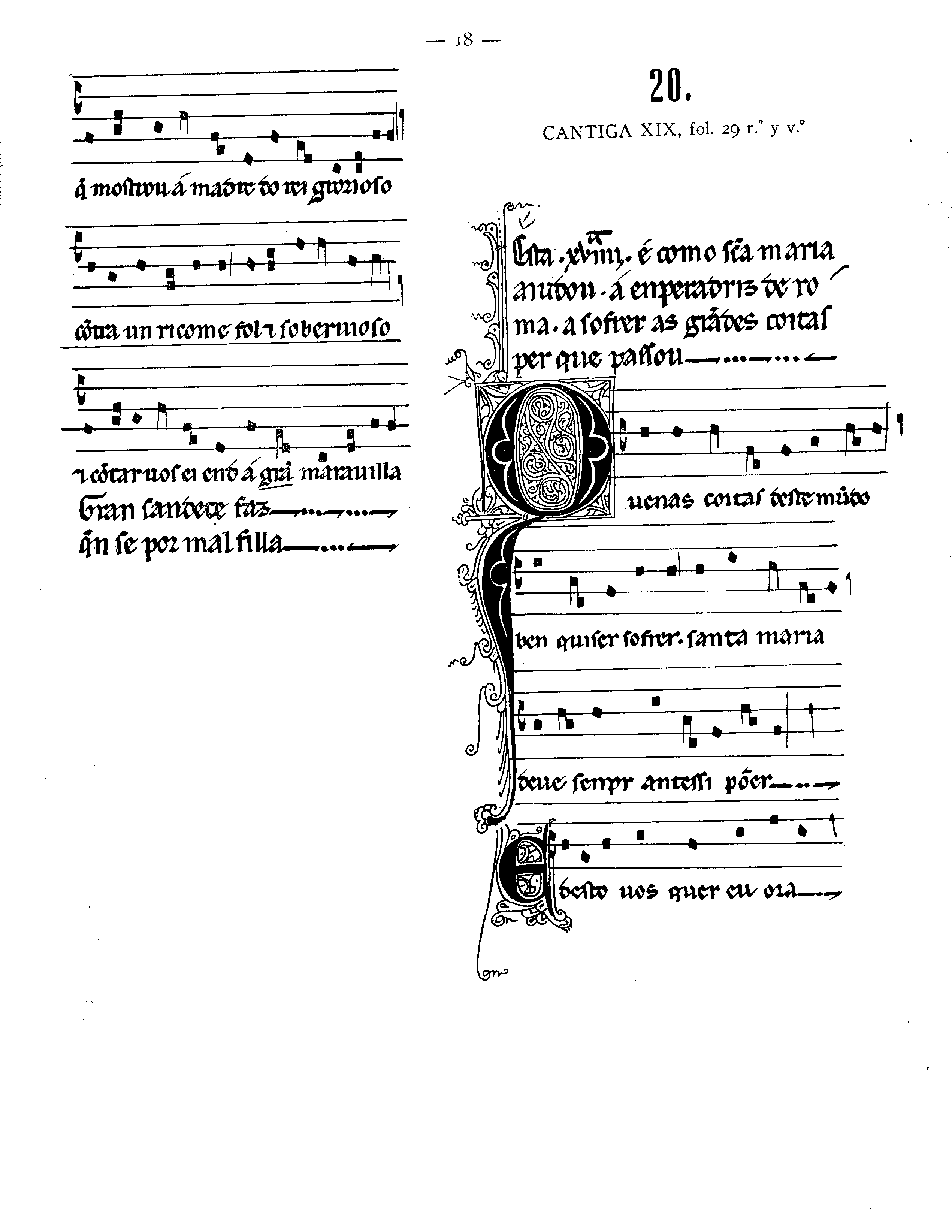
| Masculine inan., soft o-stem | |||
|---|---|---|---|
| nom. sing. | e | ||
| gen. sing. | e-ja | ||
| singular | dual | plural | |
| nominative (imenovȃlnik) |
e | e-ja | e-ji |
| genitive (rodȋlnik) |
e-ja | e-jev | e-jev |
| dative (dajȃlnik) |
e-ju | e-jema | e-jem |
| accusative (tožȋlnik) |
e | e-ja | e-je |
| locative (mẹ̑stnik) |
e-ju | e-jih | e-jih |
| instrumental (orọ̑dnik) |
e-jem | e-jema | e-ji |
- More common when with a definite adjective
| Masculine inan., no endings | |||
|---|---|---|---|
| nom. sing. | e | ||
| gen. sing. | e | ||
| singular | dual | plural | |
| nominative | e | e | e |
| accusative | e | e | e |
| genitive | e | e | e |
| dative | e | e | e |
| locative | e | e | e |
| instrumental | e | e | e |
- Obsolete
| Neuter, no endings | |||
|---|---|---|---|
| nom. sing. | e | ||
| gen. sing. | e | ||
| singular | dual | plural | |
| nominative | e | e | e |
| accusative | e | e | e |
| genitive | e | e | e |
| dative | e | e | e |
| locative | e | e | e |
| instrumental | e | e | e |
Etymology 2
Pronunciation
- IPA(key): /èː/, /éː/
- (third definition also): IPA(key): [ẽ́ː], [ẽ̀ː]
Audio: (file) - Rhymes: -eː, -ẽː
- Homophones: e, E
Interjection
e
- (informal, rare, at the beginning of sentences) Used to express happiness when saying something
- E, do smrti bom živel!
- Hey, I will live till I die!
- (informal, at the beginning of sentences) Used to express uneasyness
- E, da, seveda.
- Um, sure, of course
- (informal, rare, at the end of sentences) Used to form questions
- Synonym: a
- Kdo je to naredil, e?
- Who did that, huh?
Etymology 3
(This etymology is missing or incomplete. Please add to it, or discuss it at the Etymology scriptorium.)
Pronunciation
- IPA(key): /ɛ́/
- Rhymes: -ɛ
- Homophones: e, E
Interjection
e
- (informal, at the beginning of sentences) Used to express indifference to what was said before
- (informal, at the beginning of sentences) Used to express unhappiness
- E, pa kaj še!
- Yeah, sure!
See also
- (Latin script letters) Aa, Bb, Cc, Čč, Dd, Ee, Ff, Gg, Hh, Ii, Jj, Kk, Ll, Mm, Nn, Oo, Pp, Rr, Ss, Šš, Tt, Uu, Vv, Zz, Žž
- ë
- ē
- è
- é
- ê
- ȩ
- ɛ
- ḙ
- ė
- ẹ
- ə
References
- ^ Toporišič, Jože (2000), Slovenska slovnica / Jože Toporišič. - 4. prenovljena in razširjena izd. (in Slovene), Maribor: Obzorja, →ISBN
- Krvina, Domen; Žele, Andreja (2017), O MEDMETIH, ZLASTI O NJIHOVIH RAZLOČEVALNIH LASTNOSTIH: POUDARJEN SLOVARSKI VIDIK[14] (in Slovene)
- Kenda-Jež, Karmen (27 February 2017), Fonetična trankripcija [Phonetic transcription][15] (in Slovene), Znanstvenoraziskovalni center SAZU, Inštitut za slovenski jezik Frana Ramovša, archived from the original on 22 January 2022, pages 27–30
Further reading
- “e”, in Slovarji Inštituta za slovenski jezik Frana Ramovša ZRC SAZU (in Slovene), 2014–2026
Spanish
Pronunciation
Etymology 1
See Translingual section.
Letter
e (lower case, upper case E)
Noun
e f (plural es)
- The name of the Latin script letter E/e.
Derived terms
Etymology 2
Alternative forms
Conjunction
e
- and
- Hablo francés e inglés.
- I speak French and English.
- Iberia, Air Europa e Easyjet.
- Iberia, Air Europa and Easyjet.
- 2020 July 9, Carlos E. Cué, Miguel González, “Sánchez plantea revisar la inviolabilidad del Rey en la Constitución”, in El País[16], Madrid: Ediciones El País, S.L., →ISSN, archived from the original on 10 July 2020:
- “La Constitución española tiene que evolucionar conforme a las exigencias de ejemplaridad y conducta política de las sociedades”, ha declarado el presidente en una entrevista conjunta con Eldiario.es e Infolibre.es.
- "The Spanish Constitution must conform to the demands of the exemplariness and political conduct of society", declared the President in an interview with Eldiario.es and Infolibre.es.
Usage notes
- Used instead of y when the following word starts with the vowel sound /i/.
See also
Sranan Tongo
Etymology
Reduced form of de (“to be”).
Particle
e
- verbal marker for continuous aspect
Sumerian
Romanization
e
- romanization of 𒂊
Swedish
Etymology 1
See Translingual section.
Pronunciation
- letter name: IPA(key): /eː/
Audio: (file) - phoneme: IPA(key): /eː/, /ɛ/, /ɛː/
Letter
e (lower case, upper case E)
See also
- (Latin-script letters) bokstav; A a, B b, C c, D d, E e, F f, G g, H h, I i, J j, K k, L l, M m, N n, O o, P p, Q q, R r, S s, T t, U u, V v, W w, X x, Y y, Z z, Å å, Ä ä, Ö ö
- é
Etymology 2
Verb
e
- (colloquial, Internet slang, text messaging) pronunciation spelling of är
- Synonym: ä
- 2014 January 17, Veronica Maggio, “Hela huset”[17] ft. Håkan Hellström:
- Går runt i t-shirt och e trött
- Walking tired around in a t-shirt
Derived terms
Etymology 3
From Old Norse æ, ei, ey, from Proto-Germanic *aiwi (“forever”), *aiwaz. Doublet of ju.
Adverb
e (not comparable)
Related terms
References
- “e”, in Svenska Akademiens ordböcker [Dictionaries of the Swedish Academy] (in Swedish)
- e in Elof Hellquist, Svensk etymologisk ordbok (1st ed., 1922)
Tagalog
Etymology 1
Borrowed from Spanish e. Each pronunciation has a different source:
- Filipino alphabet pronunciation is influenced by English e.
- Abakada alphabet pronunciation is influenced by the Baybayin character ᜁ (i).
- Abecedario pronunciation is from Spanish e.
Pronunciation
- (Standard Tagalog)
- IPA(key): /ˈʔi/ [ˈʔɪ] (letter name, Filipino alphabet)
- Rhymes: -i
- IPA(key): /ˈʔe/ [ˈʔɛ] (letter name, Abakada alphabet, Abecedario)
- Rhymes: -e
- IPA(key): /ˈe/ [ˈɛ] (phoneme, stressed or unstressed)
- Rhymes: -e
- IPA(key): /ˈʔi/ [ˈʔɪ] (letter name, Filipino alphabet)
- Syllabification: e
Letter
e (lower case, upper case E)
- the fifth letter of the Filipino alphabet, called i and written in the Latin script
- the fifth letter of the Abakada alphabet, called e and written in the Latin script
- (historical) the sixth letter of the Abecedario, called e and written in the Latin script
See also
- (Latin-script letters) titik; A a, B b, C c, D d, E e, F f, G g, H h, I i, J j, K k, L l, M m, N n, Ñ ñ, Ng ng, O o, P p, Q q, R r, S s, T t, U u, V v, W w, X x, Y y, Z z
- ë
Noun
e (Baybayin spelling ᜁ)
- the name of the Latin script letter E/e, in the Abakada alphabet
- Synonym: (in the Filipino alphabet) i
- (historical) the name of the Latin script letter E/e, in the Abecedario
- Synonym: (in the Filipino alphabet) i
See also
Etymology 2
Compare Spanish eh and English eh.
Alternative forms
Pronunciation
- (Standard Tagalog) IPA(key): /ʔe/ [ʔɛː]
- Rhymes: -e
- Syllabification: e
Interjection
e (Baybayin spelling ᜁ) (informal)
- Used to acknowledge a statement or situation: well; so
- E, ganoon e!
- Well, it's like that!
- E, ano ngayon?
- So, what now?
- Nandoon siya, e.
- Well, he/she was/is there.
- Used to rhetorically express surprise or suspicion: so; oh; well
- E, sino naman 'yun?
- Oh so then, who was that?
- E, ikaw lang din naman 'yun.
- Well anyways, that was also only just you.
- Used to express indignance: well; but
- E, hindi mo naman kinailangan gawin iyon.
- But, you didn't need to do that.
- Used to introduce the continuation of narration from a previous understood point: and; well; so
- E, magkano naman ito?
- And, how much is this one?
See also
Etymology 3
Pronunciation
- (Standard Tagalog) IPA(key): /ʔe/ [ʔɛ]
- Rhymes: -e
- Syllabification: e
Particle
e (Baybayin spelling ᜁ)
- alternative form of ay
Further reading
- “e”, in Pambansang Diksiyonaryo | Diksiyonaryo.ph, 2018
Tahitian
Etymology
(This etymology is missing or incomplete. Please add to it, or discuss it at the Etymology scriptorium.)
Particle
e
- indicates that an action is unfinished when inserted before the verb
See also
Talysh
Alternative forms
- eğ (Lerik)
Etymology
Origin uncertain. No cognates in other Iranian languages.
Noun
e
- strawberry
- Synonym: çiələq
Teop
Etymology
(This etymology is missing or incomplete. Please add to it, or discuss it at the Etymology scriptorium.)
Pronoun
e
Further reading
- https://corpus1.mpi.nl/media-archive/dobes_data/Teop/Info/Teop_Sketch_Grammar_May07.pdf
- https://web.archive.org/web/20170516185153/http://www.ioling.org/booklets/iol-2012-indiv-sol.en.pdf
Tlingit
Pronunciation
- IPA(key): /ɛ/
Letter
e (lower case, upper case E)
See also
- Canada:
- (Latin-script letters) A a, Á á, À à, Â â, Ch ch, Chʼ chʼ, D d, Dł dł, Dz dz, E e, É é, È è, Ê ê, G g, Gw gw, Gh gh, Ghw ghw, H h, I i, Í í, Ì ì, Î î, J j, K k, Kw kw, Kʼ kʼ, Kʼw kʼw, Kh kh, Khw khw, Khʼ khʼ, Khʼw khʼw (L l), Ł ł, Łʼ łʼ (M m), N n (O o), S s, Sʼ sʼ, Sh sh, T t, Tʼ tʼ, Tl tl, Tlʼ tlʼ, Ts ts, Tsʼ tsʼ, U u, Ú ú, Ù ù, Û û, W w, X x, Xw xw, Xʼ xʼ, Xʼw xʼw, Xh xh, Xhw xhw, Xhʼ xhʼ, Xhʼw xhʼw, Y y (Ÿ ÿ), ․
- US:
- (Latin-script letters) A a, Á á, Aa aa, Áa áa, Ch ch, Chʼ chʼ, D d, Dl dl, Dz dz, E e, É é, Ee ee, Ée ée, Ei ei, Éi éi, G g, Gw gw, G̱ g̱, G̱w g̱w, H h, I i, Í í, J j, K k, Kw kw, Kʼ kʼ, Kʼw kʼw, Ḵ ḵ, Ḵw ḵw, Ḵʼ ḵʼ, Ḵʼw ḵʼw, L l, Lʼ lʼ (Ḻ ḻ, M m), N n (O o), Oo oo, Óo óo, S s, Sʼ sʼ, Sh sh, T t, Tʼ tʼ, Tl tl, Tlʼ tlʼ, Ts ts, Tsʼ tsʼ, U u, Ú ú, W w, X x, Xw xw, Xʼ xʼ, Xʼw xʼw, X̱ x̱, X̱w x̱w, X̱ʼ x̱ʼ, X̱ʼw x̱ʼw, Y y (Ÿ ÿ, Y̱ y̱), ․
Tokelauan
Pronunciation
- IPA(key): [e]
- Hyphenation: e
Etymology 1
From Proto-Polynesian *(q)e. Cognates include Hawaiian e and Samoan e.
Preposition
e
- marks the subject of a transitive verb; by
Etymology 2
From Proto-Polynesian *e. Cognates include Hawaiian e and Samoan e.
Particle
e
- Indicates indefinite present tense.
- 1948, Tūlāfono fakavae a Tokelau [Constitution of Tokelau][18], page 1:
- Ko kimatou, ia tagata o Tokelau, e takutino
- We, the people of Tokelau, (do) speak openly
- Indicates future tense.
References
- R. Simona, editor (1986), Tokelau Dictionary[19], Auckland: Office of Tokelau Affairs, page 24
Tongan
Etymology
From Proto-Polynesian *(q)e.
Pronunciation
- IPA(key): /e/
Preposition
e
Tooro
Pronunciation
- IPA(key): /e/
Pronoun
-e (declinable)
Usage notes
- This modifier, when used in the indefinite forms, causes the word before it to move its high tone to the ultimate syllable.
Inflection
| Noun class | indefinite | definite | ||
|---|---|---|---|---|
| singular | plural | singular | plural | |
| 1/2 | we | be | owe | abe |
| 3/4 | gwe | ye | ogwe | eye |
| 5/6 | lye | ge | erye | age |
| 7/8 | kye | bye | ekye | ebye |
| 9/10 | ye | ze | eye | eze |
| 11/10 | rwe | orwe | ||
| 12/14 | ke | bwe | ake | obwe |
| 13 | — | twe | — | otwe |
| 14/6 | bwe | ge | obwe | age |
| 15/6 | kwe | okwe | ||
| 16 | he | — | ahe | — |
| 18 | mwe | omwe | ||
See also
| class | person | independent | possessive | subject concord |
object concord |
combined forms | |
|---|---|---|---|---|---|---|---|
| na | ni | ||||||
| class 1 | first | nyowe, nye | -ange | n- | -n- | nanyowe, nanye | ninyowe, ninye |
| second | iwe | -awe | o- | -ku- | naiwe | niiwe | |
| third | uwe | -e | a- | -mu- | nawe | nuwe | |
| class 2 | first | itwe | -aitu | tu- | -tu- | naitwe | niitwe |
| second | inywe | -anyu | mu- | -ba- | nainywe | niinywe | |
| third | bo | -abo | ba- | -ba- | nabo | nubo | |
| class 3 | gwo | -agwo | gu- | -gu- | nagwo | nugwo | |
| class 4 | yo | -ayo | e- | -gi- | nayo | niyo | |
| class 5 | lyo | -alyo | li- | -li- | nalyo | niryo | |
| class 6 | go | -ago | ga- | -ga- | nago | nugo | |
| class 7 | kyo | -akyo | ki- | -ki- | nakyo | nikyo | |
| class 8 | byo | -abyo | bi- | -bi- | nabyo | nibyo | |
| class 9 | yo | -ayo | e- | -gi- | nayo | niyo | |
| class 10 | zo | -azo | zi- | -zi- | nazo | nizo | |
| class 11 | rwo | -arwo | ru- | -ru- | narwo | nurwo | |
| class 12 | ko | -ako | ka- | -ka- | nako | nuko | |
| class 13 | two | -atwo | tu- | -tu- | natwo | nutwo | |
| class 14 | bwo | -abwo | bu- | -bu- | nabwo | nubwo | |
| class 15 | kwo | -akwo | ku- | -ku- | nakwo | nukwo | |
| class 16 | ho | -aho | ha- | -ha- | naho | nuho | |
| class 17 | (kwo) | N/A | ha- (...-yo) |
-ha- | N/A | nukwo | |
| class 18 | (mwo) | -amwo | ha- (...-mu) |
-ha- | N/A | numwo | |
| reflexive | -enyini, -onyini | — | -e- | — | |||
References
- Kaji, Shigeki (2007), A Rutooro Vocabulary[20], Tokyo: Research Institute for Languages and Cultures of Asia and Africa (ILCAA), →ISBN, page 420
Turkish
Pronunciation
- IPA(key): /e/, /æ/
Letter
e (lower case, upper case E)
See also
- (Latin script letters) harf; Aa, Bb, Cc, Çç, Dd, Ee, Ff, Gg, Ğğ, Hh, Iı, İi, Jj, Kk, Ll, Mm, Nn, Oo, Öö, Pp, Rr, Ss, Şş, Tt, Uu, Üü, Vv, Yy, Zz
Noun
e
- The name of the Latin script letter E/e.
See also
- (Latin script letter names) harf; a, be, ce, çe, de, e, fe, ge, yumuşak ge, he, ı, i, je, ke, le, me, ne, o, ö, pe, re, se, şe, te, u, ü, ve, ye, ze (Category: tr:Latin letter names)
Turkmen
Pronunciation
- (phoneme) IPA(key): /e/
Letter
e (lower case, upper case E)
See also
- (Latin-script letters) harp; A a, B b, Ç ç, D d, E e, Ä ä, F f, G g, H h, I i, J j, Ž ž, K k, L l, M m, N n, Ň ň, O o, Ö ö, P p, R r, S s, Ş ş, T t, U u, Ü ü, W w, Y y, Ý ý, Z z
Tuvaluan
Etymology
(This etymology is missing or incomplete. Please add to it, or discuss it at the Etymology scriptorium.)
Particle
e
- present tense marker, inserted immediately before the relevant verb
Vietnamese
Pronunciation
Etymology 1
Borrowed from Portuguese é.
Letter
e (lower case, upper case E)
See also
- (Quốc ngữ letters) chữ cái; A a (À à, Ả ả, Ã ã, Á á, Ạ ạ), Ă ă (Ằ ằ, Ẳ ẳ, Ẵ ẵ, Ắ ắ, Ặ ặ), Â â (Ầ ầ, Ẩ ẩ, Ẫ ẫ, Ấ ấ, Ậ ậ), B b, C c (Ch ch), D d, Đ đ, E e (È è, Ẻ ẻ, Ẽ ẽ, É é, Ẹ ẹ), Ê ê (Ề ề, Ể ể, Ễ ễ, Ế ế, Ệ ệ), G g (Gh gh, Gi gi), H h, I i (Ì ì, Ỉ ỉ, Ĩ ĩ, Í í, Ị ị), K k (Kh kh), L l, M m, N n (Ng ng, Ngh ngh, Nh nh), O o (Ò ò, Ỏ ỏ, Õ õ, Ó ó, Ọ ọ), Ô ô (Ồ ồ, Ổ ổ, Ỗ ỗ, Ố ố, Ộ ộ), Ơ ơ (Ờ ờ, Ở ở, Ỡ ỡ, Ớ ớ, Ợ ợ), P p (Ph ph), Q q (Qu qu), R r, S s, T t (Th th, Tr tr), U u (Ù ù, Ủ ủ, Ũ ũ, Ú ú, Ụ ụ), Ư ư (Ừ ừ, Ử ử, Ữ ữ, Ứ ứ, Ự ự), V v, X x, Y y (Ỳ ỳ, Ỷ ỷ, Ỹ ỹ, Ý ý, Ỵ ỵ)
Noun
e
- The name of the Latin script letter E/e.
Etymology 2
Compare Pacoh e (“to guard, to watch over”).
Verb
- to fear; to be apprehensive, to be afraid
- Tôi e cô ta không đến.
- I am afraid she will not come.
- to be slightly ashamed
See also
Etymology 3
Pronoun
e
- (Internet slang, text messaging) abbreviation of em
Vilamovian
Etymology
Inherited from Middle High German ei, from Old High German ei. Cognate with German Ei.
Pronunciation
Audio: (file)
Noun
e n
Volapük
Alternative forms
- (before a vowel) ed
Etymology
(This etymology is missing or incomplete. Please add to it, or discuss it at the Etymology scriptorium.)
Conjunction
e
- and
- 1932, Arie de Jong, Leerboek der Wereldtaal, page 12:
- Liegikans e pöfikans binons deadöfiks.
- Rich people and poor people are mortal.
Related terms
Welsh
Etymology 1
Alternative forms
- (with grave accent to indicate otherwise unpredictable short vowel): è
- (with acute accent to indicate unusually stressed short vowel): é
- (with circumflex to indicate otherwise unpredictable or unusually stressed long vowel): ê
- (with diaeresis to indicate disyllabicity): ë
Pronunciation
- IPA(key): /eː/
- Rhymes: -eː
Letter
e (lower case, upper case E)
- The seventh letter of the Welsh alphabet, called e and written in the Latin script; preceded by dd and followed by f.
Mutation
- e cannot be mutated but, being a vowel, does take h-prothesis, for example with the word eliffant (“elephant”):
| radical | soft | nasal | h-prothesis |
|---|---|---|---|
| eliffant | unchanged | unchanged | heliffant |
Note: Certain mutated forms of some words can never occur in standard Welsh.
All possible mutated forms are displayed for convenience.
Derived terms
See also
- see other Welsh letters and their names
Noun
e f (plural eau)
- The name of the Latin script letter E/e.
See also
- (Latin-script letters) llythyren; A a (Á á, À à, Â â, Ä ä), B b, C c, Ch ch, D d, Dd dd, E e (É é, È è, Ê ê, Ë ë), F f, Ff ff, G g, Ng ng, H h, I i (Í í, Ì ì, Î î, Ï ï), J j, L l, Ll ll, M m, N n, O o (Ó ó, Ò ò, Ô ô, Ö ö), P p, Ph ph, R r, Rh rh, S s, T t, Th th, U u (Ú ú, Ù ù, Û û, Ü ü), W w (Ẃ ẃ, Ẁ ẁ, Ŵ ŵ, Ẅ ẅ), Y y (Ý ý, Ỳ ỳ, Ŷ ŷ, Ÿ ÿ)
- (Latin-script letter names) llythyren; a, bi, ec, èch, di, èdd, e, èf, èff, èg, eng, aetsh, i / i dot, je, ce, el, èll, em, en, o, pi, ffi, ciw, er, rhi, ès, ti, èth, u / u bedol / u gwpan, fi, w, ecs, y, sèd
Mutation
| radical | soft | nasal | h-prothesis |
|---|---|---|---|
| e | unchanged | unchanged | he |
Note: Certain mutated forms of some words can never occur in standard Welsh.
All possible mutated forms are displayed for convenience.
Etymology 2
Reduction of literary ef
Pronunciation
- IPA(key): /eː/, /ɛ/
Pronoun
e
Usage notes
E is used predominantly in the south of Wales, while o is used in the north, with fe and fo as variants of e and o respectively. In formal Welsh, the equivalent pronoun is ef.
West Makian
Pronunciation
- IPA(key): /e/
Verb
e
Conjugation
| singular | plural | |||
|---|---|---|---|---|
| inclusive | exclusive | |||
| 1st person | tee | mee | ae | |
| 2nd person | nee | fee | ||
| 3rd person | inanimate | ie | dee | |
| animate | ||||
| imperative | nee, e | fee, e | ||
References
- Clemens Voorhoeve (1982), The Makian languages and their neighbours[21], Pacific linguistics
Yele
Pronunciation
- IPA(key): /ɛ/
Letter
e (lower case, upper case E)
Derived terms
- The digraph ⟨ee⟩ transcribes the long vowel /ɛː/
- The digraph ⟨꞉e⟩ transcribes the nasal vowel /ɛ̃/
- The trigraph ⟨꞉ee⟩ transcribes the long nasal vowel /ɛ̃ː/
See also
- (Latin-script letters) A a, â, b, Ch ch, D d, e, é, ê, Gh gh, i, î, j, K k, L l, M m, N n, Ń ń, o, ó, P p, T t, U u, V v, W w, Y y, ꞉
Yola
Article
e
- alternative form of a (“one”)
- 1927, “YOLA ZONG O BARONY VORTH”, in THE ANCIENT DIALECT OF THE BARONIES OF FORTH AND BARGY, COUNTY WEXFORD, page 132, line 11:
- Fan the loughraan itzel feight e big bawl,
- When the ghost itself gave a loud bawl,
References
- Kathleen A. Browne (1927), “THE ANCIENT DIALECT OF THE BARONIES OF FORTH AND BARGY, COUNTY WEXFORD.”, in Journal of the Royal Society of Antiquaries of lreland (Sixth Series)[22], volume 17, number 2, Royal Society of Antiquaries of Ireland, page 132
Yoruba
Etymology 1
Pronunciation
Letter
e (lower case, upper case E)
Noun
é
- The name of the Latin script letter E/e.
See also
- (Latin-script letters) lẹ́tà; A a (Á á, À à, Ā ā), B b, D d, E e (É é, È è, Ē ē), Ẹ ẹ (Ẹ́ ẹ́, Ẹ̀ ẹ̀, Ẹ̄ ẹ̄), F f, G g, Gb gb, H h, I i (Í í, Ì ì, Ī ī), J j, K k, L l, M m (Ḿ ḿ, M̀ m̀, M̄ m̄), N n (Ń ń, Ǹ ǹ, N̄ n̄), O o (Ó ó, Ò ò, Ō ō), Ọ ọ (Ọ́ ọ́, Ọ̀ ọ̀, Ọ̄ ọ̄), P p, R r, S s, Ṣ ṣ, T t, U u (Ú ú, Ù ù, Ū ū), W w, Y y
- (Benin)
- (Latin-script letters) lɛ́tà; A a, B b, D d, E e, Ɛ ɛ, F f, G g, Gb gb, H h, I i, J j, K k, Kp kp, L l, M m, N n, O o, Ɔ ɔ, P p, R r, S s, Sh sh, T t, U u, W w, Y y
- (Latin-script letter names) lẹ́tà; á, bí, dí, é, ẹ́, fí, gí, gbì, hí, í, jí, kí, lí, mí, ní, ó, ọ́, pí, rí, sí, ṣí, tí, ú, wí, yí
Etymology 2
Pronunciation
Pronoun
e
- him, her, it (third-person singular object pronoun following a monosyllabic verb with a high-tone /e/)
Pronoun
é
- him, her, it (third-person singular object pronoun following a monosyllabic verb with a low- or mid-tone /e/)
Zazaki
Etymology
(This etymology is missing or incomplete. Please add to it, or discuss it at the Etymology scriptorium.)
Pronunciation
Letter
e (lower case, upper case E)
Interjection
e
Particle
e
Antonyms
Zulu
Letter
e (lower case, upper case E)
See also
- Basic Latin block
- Character boxes with images
- Latin script characters
- Phonetic Extensions block
- Unspecified script characters
- Halfwidth and Fullwidth Forms block
- Translingual terms derived from Ancient Greek
- Translingual terms with audio pronunciation
- Translingual lemmas
- Translingual letters
- Translingual nouns
- Translingual symbols
- mul:Mathematics
- mul:Sciences
- mul:Computing
- IPA symbols
- mul:Algebra
- mul:Group theory
- mul:Subatomic particles
- mul:Physics
- Translingual terms with quotations
- mul:Materials science
- English terms derived from Latin
- English 1-syllable words
- English terms with IPA pronunciation
- English terms with audio pronunciation
- Rhymes:English/iː
- Rhymes:English/iː/1 syllable
- English lemmas
- English letters
- English nouns
- English numeral symbols
- English ordinal numbers
- English countable nouns
- English nouns with irregular plurals
- en:Latin letter names
- English pronouns
- English terms with rare senses
- English nonstandard terms
- English terms with quotations
- English nouns with unknown or uncertain plurals
- en:Music
- English informal terms
- English terms with usage examples
- English third person pronouns
- en:Gender
- Afar lemmas
- Afar letters
- Afar nouns
- Afra lemmas
- Afra pronouns
- Afra terms with usage examples
- Afrikaans terms with audio pronunciation
- Afrikaans lemmas
- Afrikaans nouns
- af:Latin letter names
- Aiklep lemmas
- Aiklep nouns
- Ainu terms with IPA pronunciation
- Ainu lemmas
- Ainu verbs
- Ainu suffixes
- Ainu particles
- ain:Arithmetic
- Ainu terms with usage examples
- Ainu pronouns
- Ainu nouns
- Ainu inalienable nouns
- Ainu uncountable nouns
- Ainu transitive verbs
- Ainu interjections
- Akawaio terms with IPA pronunciation
- Akawaio lemmas
- Akawaio letters
- Akawaio nouns
- Albanian terms inherited from Proto-Albanian
- Albanian terms derived from Proto-Albanian
- Albanian terms inherited from Proto-Indo-European
- Albanian terms derived from Proto-Indo-European
- Albanian terms with IPA pronunciation
- Albanian lemmas
- Albanian conjunctions
- Albanian pronouns
- Albanian terms with usage examples
- Albanian prepositions
- Albanian articles
- Alemannic German terms with IPA pronunciation
- Alemannic German lemmas
- Alemannic German articles
- Angolar lemmas
- Angolar pronouns
- Aromanian terms inherited from Latin
- Aromanian terms derived from Latin
- Aromanian lemmas
- Aromanian conjunctions
- Azerbaijani terms with IPA pronunciation
- Azerbaijani lemmas
- Azerbaijani letters
- Azerbaijani nouns
- Basque 1-syllable words
- Basque terms with IPA pronunciation
- Basque lemmas
- Basque letters
- Basque nouns
- eu:Latin letter names
- Blin terms with IPA pronunciation
- Blin lemmas
- Blin letters
- Blin nouns
- Breton lemmas
- Breton pronouns
- Breton terms inherited from Proto-Brythonic
- Breton terms derived from Proto-Brythonic
- Breton terms inherited from Proto-Celtic
- Breton terms derived from Proto-Celtic
- Breton prepositions
- Catalan terms with IPA pronunciation
- Catalan lemmas
- Catalan letters
- Catalan nouns
- Central Mazahua terms with IPA pronunciation
- Central Mazahua lemmas
- Central Mazahua letters
- Central Mazahua nouns
- Mandarin terms with multiple pronunciations
- Chinese lemmas
- Mandarin lemmas
- Cantonese lemmas
- Chinese prefixes
- Mandarin prefixes
- Cantonese prefixes
- Chinese terms with IPA pronunciation
- Chinese terms written in foreign scripts
- Cantonese terms derived from English
- Chinese verbs
- Cantonese verbs
- Hong Kong Cantonese
- Corsican terms with IPA pronunciation
- Corsican terms with homophones
- Corsican lemmas
- Corsican articles
- Corsican pronouns
- Corsican personal pronouns
- Creek terms with IPA pronunciation
- Creek lemmas
- Creek letters
- Creek nouns
- Czech lemmas
- Czech letters
- Czech nouns
- Dakota terms with IPA pronunciation
- Dakota lemmas
- Dakota letters
- Dakota nouns
- Dalmatian terms inherited from Latin
- Dalmatian terms derived from Latin
- Dalmatian lemmas
- Dalmatian conjunctions
- Dutch terms with audio pronunciation
- Rhymes:Dutch/eː
- Rhymes:Dutch/eː/1 syllable
- Dutch terms with IPA pronunciation
- Dutch lemmas
- Dutch letters
- Dutch nouns
- Emilian terms inherited from Latin
- Emilian terms derived from Latin
- Emilian terms derived from Proto-Indo-European
- Emilian terms with IPA pronunciation
- Emilian lemmas
- Emilian conjunctions
- Esperanto 1-syllable words
- Esperanto terms with IPA pronunciation
- Esperanto terms with audio pronunciation
- Esperanto lemmas
- Esperanto letters
- Esperanto nouns
- eo:Latin letter names
- Estonian terms with IPA pronunciation
- Estonian lemmas
- Estonian letters
- Estonian nouns
- Estonian conjunctions
- Estonian abbreviations
- Fala lemmas
- Fala conjunctions
- Mañegu Fala
- Valverdeñu Fala
- Faroese terms with IPA pronunciation
- Rhymes:Faroese/eː
- Rhymes:Faroese/eː/1 syllable
- Faroese lemmas
- Faroese letters
- Faroese nouns
- Finnish 1-syllable words
- Finnish terms with IPA pronunciation
- Finnish terms with audio pronunciation
- Rhymes:Finnish/eː
- Rhymes:Finnish/eː/1 syllable
- Finnish lemmas
- Finnish letters
- Finnish nouns
- fi:Music
- Finnish maa-type nominals
- French 1-syllable words
- French terms with IPA pronunciation
- French terms with audio pronunciation
- French lemmas
- French letters
- French nouns
- Friulian terms inherited from Latin
- Friulian terms derived from Latin
- Friulian lemmas
- Friulian conjunctions
- Fula lemmas
- Fula letters
- Fula nouns
- Fula conjunctions
- Galician terms inherited from Old Galician-Portuguese
- Galician terms derived from Old Galician-Portuguese
- Galician terms inherited from Latin
- Galician terms derived from Latin
- Galician terms inherited from Proto-Italic
- Galician terms derived from Proto-Italic
- Galician terms inherited from Proto-Indo-European
- Galician terms derived from Proto-Indo-European
- Galician terms with IPA pronunciation
- Rhymes:Galician/e
- Rhymes:Galician/e/1 syllable
- Galician lemmas
- Galician conjunctions
- Galician terms with usage examples
- Rhymes:Galician/ɛ
- Rhymes:Galician/ɛ/1 syllable
- Galician letters
- Galician nouns
- Galician countable nouns
- Galician masculine nouns
- gl:Latin letter names
- German terms with audio pronunciation
- German lemmas
- German letters
- German nouns
- German neuter nouns
- Gothic non-lemma forms
- Gothic romanizations
- Guinea-Bissau Creole terms derived from Portuguese
- Guinea-Bissau Creole lemmas
- Guinea-Bissau Creole conjunctions
- Gullah terms derived from Yoruba
- Gullah terms with IPA pronunciation
- Gullah lemmas
- Gullah determiners
- Gullah pronouns
- Gullah terms derived from Igbo
- Gullah interjections
- Gun terms with IPA pronunciation
- Gun lemmas
- Gun pronouns
- Hawaiian terms with IPA pronunciation
- Hawaiian lemmas
- Hawaiian particles
- Hawaiian prepositions
- Hungarian terms derived from Proto-Uralic
- Hungarian terms with IPA pronunciation
- Hungarian terms with audio pronunciation
- Rhymes:Hungarian/ɛ
- Rhymes:Hungarian/ɛ/1 syllable
- Hungarian lemmas
- Hungarian determiners
- Hungarian terms with archaic senses
- Hungarian terms with usage examples
- Hungarian pronouns
- Hungarian demonstrative pronouns
- Hungarian interjections
- Hungarian terms with manual IPA pronunciation
- Hungarian letters
- Hungarian nouns
- Hungarian 1-letter words
- Hungarian terms with multiple lemma etymologies
- Hungarian terms with determiner and letter etymologies
- Hungarian terms with interjection and letter etymologies
- Hungarian terms with letter and pronoun etymologies
- Iau lemmas
- Iau nouns
- Icelandic 1-syllable words
- Icelandic terms with IPA pronunciation
- Icelandic lemmas
- Icelandic letters
- Icelandic nouns
- Ido terms with IPA pronunciation
- Ido lemmas
- Ido letters
- Ido nouns
- Ido conjunctions
- Ido apocopic forms
- Igbo terms with IPA pronunciation
- Igbo lemmas
- Igbo letters
- Igbo nouns
- Igbo pronouns
- Ili'uun lemmas
- Ili'uun nouns
- Indo-Portuguese terms derived from the Proto-Indo-European word *éti
- Indo-Portuguese terms derived from Portuguese
- Indo-Portuguese terms derived from Proto-Indo-European
- Indo-Portuguese terms derived from Old Galician-Portuguese
- Indo-Portuguese terms derived from Proto-Italic
- Indo-Portuguese terms derived from Latin
- Indo-Portuguese lemmas
- Indo-Portuguese conjunctions
- Indo-Portuguese terms with quotations
- Indonesian terms with IPA pronunciation
- Indonesian lemmas
- Indonesian letters
- Indonesian nouns
- Interlingua lemmas
- Interlingua conjunctions
- Irish lemmas
- Irish letters
- Irish nouns
- Isirawa lemmas
- Isirawa pronouns
- Istriot terms inherited from Latin
- Istriot terms derived from Latin
- Istriot lemmas
- Istriot conjunctions
- Istriot terms with quotations
- Italian terms derived from Latin
- Italian 1-syllable words
- Italian terms with IPA pronunciation
- Rhymes:Italian/e
- Rhymes:Italian/e/1 syllable
- Italian lemmas
- Italian letters
- Italian nouns
- Italian countable nouns
- Italian indeclinable nouns
- Italian feminine nouns
- it:Latin letter names
- Italian terms inherited from Latin
- Italian conjunctions
- Italian terms with archaic senses
- Italian literary terms
- Italian terms with quotations
- Italian non-lemma forms
- Italian misspellings
- Italiot Greek non-lemma forms
- Italiot Greek article forms
- Italiot Greek terms inherited from Ancient Greek
- Italiot Greek terms derived from Ancient Greek
- Japanese non-lemma forms
- Japanese romanizations
- Kabuverdianu terms derived from Portuguese
- Kabuverdianu terms derived from Proto-Indo-European
- Kabuverdianu terms derived from the Proto-Indo-European word *éti
- Kabuverdianu terms derived from Latin
- Kabuverdianu terms derived from Old Galician-Portuguese
- Kabuverdianu terms derived from Proto-Italic
- Kabuverdianu lemmas
- Kabuverdianu conjunctions
- Kaingang terms with IPA pronunciation
- Kaingang lemmas
- Kaingang verbs
- Kaingang terms with usage examples
- Kankanaey terms borrowed from Tagalog
- Kankanaey terms derived from Tagalog
- Kankanaey terms derived from English
- Kankanaey 1-syllable words
- Kankanaey terms with IPA pronunciation
- Rhymes:Kankanaey/i
- Rhymes:Kankanaey/i/1 syllable
- Rhymes:Kankanaey/ə
- Rhymes:Kankanaey/ə/1 syllable
- Rhymes:Kankanaey/e
- Rhymes:Kankanaey/e/1 syllable
- Kankanaey lemmas
- Kankanaey letters
- Kapampangan compound terms
- Kapampangan terms inherited from Proto-Philippine
- Kapampangan terms derived from Proto-Philippine
- Kapampangan lemmas
- Kapampangan prefixes
- Kapampangan terms with usage examples
- Kapampangan interjections
- Kapampangan informal terms
- Kashubian lemmas
- Kashubian letters
- Kashubian nouns
- Khiamniungan Naga terms with IPA pronunciation
- Khiamniungan Naga lemmas
- Khiamniungan Naga letters
- Khiamniungan Naga nouns
- Patsho Khiamniungan Naga
- Klallam terms with IPA pronunciation
- Klallam lemmas
- Klallam letters
- Kosraean terms inherited from Proto-Micronesian
- Kosraean terms derived from Proto-Micronesian
- Kosraean terms inherited from Proto-Oceanic
- Kosraean terms derived from Proto-Oceanic
- Kosraean terms inherited from Proto-Malayo-Polynesian
- Kosraean terms derived from Proto-Malayo-Polynesian
- Kosraean terms inherited from Proto-Austronesian
- Kosraean terms derived from Proto-Austronesian
- Kosraean terms with IPA pronunciation
- Kosraean lemmas
- Kosraean nouns
- Kosraean terms with usage examples
- kos:Fire
- Latin terms derived from Proto-Indo-European
- Latin terms derived from the Proto-Indo-European root *h₁eǵʰs-
- Latin terms inherited from Proto-Italic
- Latin terms derived from Proto-Italic
- Latin terms inherited from Proto-Indo-European
- Latin 1-syllable words
- Latin terms with IPA pronunciation
- Latin lemmas
- Latin prepositions
- Latin prepositions governing the ablative
- Latin apocopic forms
- Latin terms with quotations
- Latin letters
- Latin nouns
- Latin indeclinable nouns
- Latin neuter indeclinable nouns
- Latin feminine indeclinable nouns
- Latin neuter nouns
- Latin feminine nouns
- Latin nouns with multiple genders
- la:Latin letter names
- Latvian terms with IPA pronunciation
- Latvian terms with audio pronunciation
- Latvian lemmas
- Latvian letters
- Latvian nouns
- Latvian indeclinable nouns
- Latvian masculine nouns
- lv:Latin letter names
- Ligurian terms with IPA pronunciation
- Ligurian terms with homophones
- Ligurian terms inherited from Latin
- Ligurian terms derived from Latin
- Ligurian terms inherited from Proto-Indo-European
- Ligurian terms derived from Proto-Indo-European
- Ligurian lemmas
- Ligurian conjunctions
- Ligurian articles
- Livonian terms with IPA pronunciation
- Livonian lemmas
- Livonian letters
- Livonian nouns
- Lotha Naga lemmas
- Lotha Naga pronouns
- Lower Nossob lemmas
- Lower Nossob verbs
- Lower Nossob conjunctions
- Lower Nossob pronouns
- Lule Sami non-lemma forms
- Lule Sami verb forms
- Lutuv terms inherited from Proto-Kuki-Chin
- Lutuv terms derived from Proto-Kuki-Chin
- Lutuv terms inherited from Proto-Sino-Tibetan
- Lutuv terms derived from Proto-Sino-Tibetan
- Lutuv lemmas
- Lutuv verbs
- Lutuv terms with usage examples
- Luxembourgish lemmas
- Luxembourgish letters
- Luxembourgish nouns
- Malay lemmas
- Malay letters
- Malay nouns
- Maltese 1-syllable words
- Maltese terms with IPA pronunciation
- Maltese lemmas
- Maltese letters
- Maltese nouns
- Maltese onomatopoeias
- Maltese interjections
- Hanyu Pinyin
- Mandarin non-lemma forms
- Mandarin nonstandard forms
- Manx lemmas
- Manx determiners
- Manx terms with usage examples
- Māori terms with IPA pronunciation
- Māori lemmas
- Māori letters
- Māori nouns
- Māori particles
- Māori terms with quotations
- Māori conjunctions
- Māori interjections
- Māori prepositions
- Mauritian Creole terms with IPA pronunciation
- Mauritian Creole lemmas
- Mauritian Creole letters
- Mauritian Creole nouns
- Mauritian Creole terms inherited from French
- Mauritian Creole terms derived from French
- Mauritian Creole conjunctions
- Mbya Guarani lemmas
- Mbya Guarani adjectives
- Middle English variant lemmas
- Northern Middle English
- Early Scots
- Middle Low German terms derived from Proto-West Germanic
- Middle Low German terms inherited from Proto-West Germanic
- Middle Low German terms inherited from Proto-Germanic
- Middle Low German terms derived from Proto-Germanic
- Middle Low German lemmas
- Middle Low German adverbs
- Middle Scots variant lemmas
- Mokilese lemmas
- Mokilese nouns
- mkj:Limbs
- Navajo lemmas
- Navajo letters
- Navajo nouns
- Neapolitan terms with IPA pronunciation
- Neapolitan terms derived from Latin
- Neapolitan lemmas
- Neapolitan prepositions
- Neapolitan terms inherited from Latin
- Neapolitan conjunctions
- Nigerian Pidgin terms derived from English
- Nigerian Pidgin lemmas
- Nigerian Pidgin pronouns
- Nigerian Pidgin terms with quotations
- North Frisian terms with IPA pronunciation
- North Frisian lemmas
- North Frisian letters
- North Frisian nouns
- Norwegian terms with IPA pronunciation
- Norwegian lemmas
- Norwegian letters
- Norwegian nouns
- Norwegian Bokmål lemmas
- Norwegian Bokmål letters
- Norwegian Bokmål nouns
- Norwegian Bokmål masculine nouns
- Norwegian Bokmål articles
- Norwegian Bokmål nonstandard terms
- Norwegian Bokmål article forms
- Norwegian Nynorsk lemmas
- Norwegian Nynorsk letters
- Norwegian Nynorsk nouns
- Norwegian Nynorsk masculine nouns
- Norwegian Nynorsk terms inherited from Old Norse
- Norwegian Nynorsk terms derived from Old Norse
- Norwegian Nynorsk terms with IPA pronunciation
- Norwegian Nynorsk non-lemma forms
- Norwegian Nynorsk verb forms
- Norwegian Nynorsk dialectal terms
- Norwegian Nynorsk colloquialisms
- Norwegian Nynorsk apocopic forms
- Norwegian Nynorsk pronouns
- Norwegian Nynorsk pronunciation spellings
- Trøndersk Norwegian
- Nupe terms with IPA pronunciation
- Nupe lemmas
- Nupe letters
- Nupe nouns
- Nupe clippings
- Nupe particles
- Nzadi lemmas
- Nzadi particles
- Occitan terms inherited from Old Occitan
- Occitan terms derived from Old Occitan
- Occitan terms inherited from Latin
- Occitan terms derived from Latin
- Occitan lemmas
- Occitan conjunctions
- Occitan letters
- Occitan nouns
- Occitan countable nouns
- Occitan feminine nouns
- oc:Latin letter names
- Old English terms with IPA pronunciation
- Rhymes:Old English/eː
- Rhymes:Old English/eː/1 syllable
- Old English lemmas
- Old English letters
- Old English nouns
- Old French lemmas
- Old French conjunctions
- Old Galician-Portuguese terms derived from the Proto-Indo-European word *éti
- Old Galician-Portuguese terms inherited from Proto-Indo-European
- Old Galician-Portuguese terms derived from Proto-Indo-European
- Old Galician-Portuguese terms derived from Proto-Italic
- Old Galician-Portuguese terms derived from Latin
- Old Galician-Portuguese terms inherited from Latin
- Old Galician-Portuguese terms inherited from Proto-Italic
- Old Galician-Portuguese terms with IPA pronunciation
- Old Galician-Portuguese lemmas
- Old Galician-Portuguese conjunctions
- Rhymes:Old Galician-Portuguese/ɛ
- Rhymes:Old Galician-Portuguese/ɛ/1 syllable
- Old Galician-Portuguese non-lemma forms
- Old Galician-Portuguese verb forms
- Old Galician-Portuguese terms with quotations
- Old Occitan terms inherited from Latin
- Old Occitan terms derived from Latin
- Old Occitan lemmas
- Old Occitan conjunctions
- Old Spanish terms inherited from Proto-Indo-European
- Old Spanish terms derived from the Proto-Indo-European word *éti
- Old Spanish terms inherited from Latin
- Old Spanish terms derived from Proto-Indo-European
- Old Spanish terms derived from Latin
- Old Spanish terms derived from Proto-Italic
- Old Spanish terms inherited from Proto-Italic
- Old Spanish terms with IPA pronunciation
- Old Spanish lemmas
- Old Spanish conjunctions
- Old Spanish terms with quotations
- Ometepec Nahuatl lemmas
- Ometepec Nahuatl nouns
- Oromo terms with IPA pronunciation
- Oromo terms with audio pronunciation
- Oromo lemmas
- Oromo letters
- Oromo nouns
- Papiamentu terms derived from Proto-Indo-European
- Papiamentu terms derived from Latin
- Papiamentu terms derived from Old Latin
- Papiamentu terms derived from Proto-Italic
- Papiamentu terms derived from the Proto-Indo-European root *h₂el- (other)
- Papiamentu terms derived from Old Galician-Portuguese
- Papiamentu terms derived from Portuguese
- Papiamentu terms derived from Spanish
- Papiamentu terms derived from Kabuverdianu
- Papiamentu lemmas
- Papiamentu pronouns
- Papiamentu articles
- Pohnpeian lemmas
- Pohnpeian pronouns
- Pohnpeian determiners
- Pohnpeian terms with usage examples
- Pohnpeian onomatopoeias
- Pohnpeian interjections
- Polish 1-syllable words
- Polish terms with IPA pronunciation
- Polish terms with audio pronunciation
- Polish lemmas
- Polish letters
- Polish nouns
- Polish interjections
- Polish colloquialisms
- Portuguese 1-syllable words
- Portuguese terms with IPA pronunciation
- Portuguese lemmas
- Portuguese letters
- Portuguese nouns
- Portuguese terms derived from Latin
- Portuguese terms inherited from Old Galician-Portuguese
- Portuguese terms inherited from Latin
- Portuguese terms derived from the Proto-Indo-European word *éti
- Portuguese terms inherited from Proto-Indo-European
- Portuguese terms derived from Proto-Indo-European
- Portuguese terms derived from Proto-Italic
- Portuguese terms inherited from Proto-Italic
- Portuguese terms derived from Old Galician-Portuguese
- Portuguese terms with audio pronunciation
- Portuguese terms with homophones
- Portuguese conjunctions
- Portuguese terms with usage examples
- Portuguese terms with quotations
- pt:Logic
- Portuguese uncountable nouns
- Portuguese masculine nouns
- Portuguese abbreviations
- Portuguese non-lemma forms
- Portuguese verb forms
- Portuguese internet slang
- Portuguese text messaging slang
- Rapa Nui terms with IPA pronunciation
- Rapa Nui terms inherited from Proto-Polynesian
- Rapa Nui terms derived from Proto-Polynesian
- Rapa Nui lemmas
- Rapa Nui particles
- Rapa Nui terms with usage examples
- Rawang terms with IPA pronunciation
- Rawang lemmas
- Rawang verbs
- Rawang suffixes
- Rawang 1-letter words
- Romagnol lemmas
- Romagnol articles
- Romani terms with IPA pronunciation
- Romani lemmas
- Romani letters
- Romani nouns
- Romani International Standard spellings
- Romani Pan-Vlax spellings
- Romanian terms with IPA pronunciation
- Romanian lemmas
- Romanian letters
- Romanian nouns
- Romanian countable nouns
- Romanian neuter nouns
- ro:Latin letter names
- Romanian interjections
- Romanian terms derived from Latin
- Romanian terms inherited from Latin
- Romanian terms with audio pronunciation
- Rhymes:Romanian/e
- Rhymes:Romanian/e/1 syllable
- Romanian non-lemma forms
- Romanian verb forms
- Romanian informal terms
- Romanian terms with usage examples
- Romanian terms inherited from Proto-Italic
- Romanian terms derived from the Proto-Indo-European word *éti
- Romanian terms inherited from Proto-Indo-European
- Romanian terms derived from Proto-Italic
- Romanian terms derived from Proto-Indo-European
- Romanian conjunctions
- Romanian terms with obsolete senses
- Samoan lemmas
- Samoan prepositions
- Sardinian terms inherited from Latin
- Sardinian terms derived from Latin
- Sardinian terms derived from Proto-Indo-European
- Sardinian terms with IPA pronunciation
- Sardinian lemmas
- Sardinian conjunctions
- Sarikoli terms with IPA pronunciation
- Sarikoli lemmas
- Sarikoli letters
- Sarikoli nouns
- Sassarese terms inherited from Latin
- Sassarese terms derived from Latin
- Sassarese terms inherited from Proto-Indo-European
- Sassarese terms derived from Proto-Indo-European
- Sassarese terms with IPA pronunciation
- Sassarese lemmas
- Sassarese conjunctions
- Scottish Gaelic lemmas
- Scottish Gaelic letters
- Scottish Gaelic nouns
- Scottish Gaelic terms derived from Proto-Celtic
- Scottish Gaelic terms inherited from Proto-Celtic
- Scottish Gaelic terms derived from Proto-Indo-European
- Scottish Gaelic terms inherited from Proto-Indo-European
- Scottish Gaelic terms inherited from Old Irish
- Scottish Gaelic terms derived from Old Irish
- Scottish Gaelic terms with IPA pronunciation
- Scottish Gaelic pronouns
- Scottish Gaelic personal pronouns
- Serbo-Croatian terms with IPA pronunciation
- Serbo-Croatian lemmas
- Serbo-Croatian letters
- Serbo-Croatian nouns
- Serbo-Croatian interjections
- Serbo-Croatian terms with rare senses
- Serbo-Croatian informal terms
- Serbo-Croatian terms with usage examples
- Sicilian terms inherited from Latin
- Sicilian terms derived from Latin
- Sicilian terms derived from Proto-Indo-European
- Sicilian terms with IPA pronunciation
- Sicilian lemmas
- Sicilian conjunctions
- Silesian lemmas
- Silesian letters
- Silesian nouns
- Skolt Sami terms with IPA pronunciation
- Skolt Sami lemmas
- Skolt Sami letters
- Skolt Sami nouns
- Slovak 1-syllable words
- Slovak terms with IPA pronunciation
- Rhymes:Slovak/e
- Rhymes:Slovak/e/1 syllable
- Slovak lemmas
- Slovak letters
- Slovak nouns
- Slovene terms derived from Czech
- Slovene terms derived from Ancient Greek
- Slovene 1-syllable words
- Slovene terms with IPA pronunciation
- Slovene terms with audio pronunciation
- Rhymes:Slovene/eː
- Rhymes:Slovene/ɛː
- Slovene terms with homophones
- Slovene lemmas
- Slovene letters
- Slovene nouns
- Slovene symbols
- Slovene masculine inanimate nouns
- Slovene masculine nouns
- Slovene inanimate nouns
- Slovene neuter nouns
- Slovene nouns with multiple genders
- sl:Latin letter names
- Slovene masculine soft o-stem nouns
- Slovene masculine soft o-stem nouns with j-infix
- Rhymes:Slovene/ẽː
- Slovene interjections
- Slovene terms with usage examples
- Rhymes:Slovene/ɛ
- Spanish 1-syllable words
- Spanish terms with IPA pronunciation
- Spanish terms with audio pronunciation
- Rhymes:Spanish/e
- Rhymes:Spanish/e/1 syllable
- Spanish terms with homophones
- Spanish lemmas
- Spanish letters
- Spanish nouns
- Spanish countable nouns
- Spanish feminine nouns
- es:Latin letter names
- Spanish terms derived from Proto-Italic
- Spanish terms inherited from Proto-Italic
- Spanish terms inherited from Latin
- Spanish terms derived from Proto-Indo-European
- Spanish terms inherited from Proto-Indo-European
- Spanish terms derived from Latin
- Spanish terms derived from the Proto-Indo-European word *éti
- Spanish conjunctions
- Spanish terms with usage examples
- Spanish terms with quotations
- Sranan Tongo lemmas
- Sranan Tongo particles
- Sumerian non-lemma forms
- Sumerian romanizations
- Swedish terms with IPA pronunciation
- Swedish terms with audio pronunciation
- Swedish lemmas
- Swedish letters
- Swedish nouns
- Swedish non-lemma forms
- Swedish verb forms
- Swedish colloquialisms
- Swedish internet slang
- Swedish text messaging slang
- Swedish pronunciation spellings
- Swedish terms with quotations
- Swedish terms derived from Proto-Indo-European
- Swedish terms derived from the Proto-Indo-European root *h₂ey- (life)
- Swedish terms inherited from Old Norse
- Swedish terms derived from Old Norse
- Swedish terms inherited from Proto-Germanic
- Swedish terms derived from Proto-Germanic
- Swedish doublets
- Swedish adverbs
- Swedish terms with archaic senses
- Tagalog terms borrowed from Spanish
- Tagalog terms derived from Spanish
- Tagalog terms derived from English
- Tagalog 1-syllable words
- Tagalog terms with IPA pronunciation
- Rhymes:Tagalog/i
- Rhymes:Tagalog/i/1 syllable
- Rhymes:Tagalog/e
- Rhymes:Tagalog/e/1 syllable
- Tagalog terms with mabilis pronunciation
- Tagalog lemmas
- Tagalog letters
- Tagalog nouns
- Tagalog terms with historical senses
- Tagalog terms with Baybayin script
- tl:Latin letter names
- Tagalog interjections
- Tagalog informal terms
- Tagalog terms with usage examples
- Tagalog particles
- Tahitian lemmas
- Tahitian particles
- Talysh lemmas
- Talysh nouns
- Teop lemmas
- Teop pronouns
- Tlingit terms with IPA pronunciation
- Tlingit lemmas
- Tlingit letters
- Tlingit nouns
- Tokelauan terms with IPA pronunciation
- Tokelauan terms inherited from Proto-Polynesian
- Tokelauan terms derived from Proto-Polynesian
- Tokelauan lemmas
- Tokelauan prepositions
- Tokelauan terms derived from Proto-Oceanic
- Tokelauan terms inherited from Proto-Oceanic
- Tokelauan particles
- Tokelauan terms with quotations
- Tongan terms inherited from Proto-Polynesian
- Tongan terms derived from Proto-Polynesian
- Tongan terms with IPA pronunciation
- Tongan lemmas
- Tongan prepositions
- Tooro terms with IPA pronunciation
- Tooro lemmas
- Tooro pronouns
- Tooro possessive pronouns
- Turkish terms with IPA pronunciation
- Turkish lemmas
- Turkish letters
- Turkish nouns
- tr:Latin letter names
- Turkmen terms with IPA pronunciation
- Turkmen lemmas
- Turkmen letters
- Turkmen nouns
- Tuvaluan lemmas
- Tuvaluan particles
- Vietnamese terms with IPA pronunciation
- Vietnamese terms borrowed from Portuguese
- Vietnamese terms derived from Portuguese
- Vietnamese lemmas
- Vietnamese letters
- Vietnamese nouns
- vi:Latin letter names
- Vietnamese verbs
- Vietnamese terms with usage examples
- Vietnamese pronouns
- Vietnamese internet slang
- Vietnamese text messaging slang
- Vietnamese abbreviations
- Vietnamese 1-letter abbreviations
- Vilamovian terms inherited from Middle High German
- Vilamovian terms derived from Middle High German
- Vilamovian terms inherited from Old High German
- Vilamovian terms derived from Old High German
- Vilamovian terms with audio pronunciation
- Vilamovian lemmas
- Vilamovian nouns
- Vilamovian neuter nouns
- Volapük lemmas
- Volapük conjunctions
- Volapük terms with quotations
- Welsh terms with IPA pronunciation
- Rhymes:Welsh/eː
- Rhymes:Welsh/eː/1 syllable
- Welsh lemmas
- Welsh letters
- Welsh nouns
- Welsh countable nouns
- Welsh feminine nouns
- cy:Latin letter names
- Welsh pronouns
- Welsh personal pronouns
- West Makian terms with IPA pronunciation
- West Makian lemmas
- West Makian verbs
- West Makian transitive verbs
- Yele terms with IPA pronunciation
- Yele lemmas
- Yele letters
- Yele nouns
- Yola lemmas
- Yola articles
- Yola terms with quotations
- Yoruba terms with IPA pronunciation
- Yoruba lemmas
- Yoruba letters
- Yoruba nouns
- yo:Latin letter names
- Yoruba pronouns
- Zazaki lemmas
- Zazaki letters
- Zazaki nouns
- Zazaki interjections
- Zazaki particles
- Zulu lemmas
- Zulu letters
- Zulu nouns