rua
Page categories
Anuta
Numeral
rua
'Are'are
Etymology
From Proto-Oceanic *rua, from Proto-Eastern Malayo-Polynesian *dua, from Proto-Central-Eastern Malayo-Polynesian *dua, from Proto-Malayo-Polynesian *duha, from Proto-Austronesian *duSa.
Pronunciation
- IPA(key): /ɾua/
- Hyphenation: ru‧a
Numeral
rua
References
- Naitoro, Kateřina (2013) A Sketch Grammar of 'Are'are: The Sound System and Morpho-Syntax (Thesis)[3], Christchurch, New Zealand: University of Canterbury, archived from the original on 2017-11-28
Balinese
Etymology
Borrowed from Old Javanese rwa, from Proto-Malayo-Polynesian *duha. Doublet of dua.
Numeral
rua (Balinese script ᬭ᭄ᬯ)
Further reading
- “rua”, in Balinese–Indonesian Dictionary [Kamus Bahasa Bali–Indonesia] (in Balinese), Denpasar, Indonesia: The Linguistic Center of Bali Province [Balai Bahasa Provinsi Bali].
Bariai
Numeral
rua
References
- Steve Gallagher, Peirce Baehr, Bariai Grammar Sketch (2005)
Bola
Pronoun
rua
- third person dual
See also
| Number | Person | Free | Subject proclitic | Object Suffix | Oblique | |
|---|---|---|---|---|---|---|
| Singular | 1st | iau | a | free pronoun | nau | |
| 2nd | ioe | o | vomu | |||
| 3rd | ia | i | -a | vona | ||
| Dual | 1st | Exclusive | maria | miri | free pronoun | ne + free pronoun |
| Inclusive | tarua | tu | ||||
| 2nd | marua | muru | ||||
| 3rd | rua | ru | ||||
| Paucal | 1st | Exclusive | mateu | mete | ||
| Inclusive | teu | te | ||||
| 2nd | matou | moto | ||||
| 3rd | tou | to | ||||
| Plural | 1st | Exclusive | mia | mi | ||
| Inclusive | hita | si | ||||
| 2nd | mua | mu | ||||
| 3rd | ria | ri | ||||
Catalan
Etymology
Inherited from Latin rūga (“wrinkle”). Doublet of ruga.
Pronunciation
- IPA(key): (Northern, Balearic, Central) [ˈru.ə]
- IPA(key): (Valencia, Northwestern) [ˈru.a]
- Rhymes: -ua
Noun
rua f (plural rues)
Related terms
Further reading
- “rua”, in Diccionari de la llengua catalana [Dictionary of the Catalan Language] (in Catalan), second edition, Institute of Catalan Studies [Catalan: Institut d'Estudis Catalans], April 2007
Chinese
| For pronunciation and definitions of rua – see 挼 (“to rub; to knead; etc.”). (This term is an Internet slang variant form of 挼). |
Fijian
| 20 | ||
| ← 1 | 2 | 3 → |
|---|---|---|
| Cardinal: rua | ||
Etymology
From Proto-Central Pacific *rua, from Proto-Oceanic *rua, from Proto-Eastern Malayo-Polynesian *dua, from Proto-Central-Eastern Malayo-Polynesian *dua, from Proto-Malayo-Polynesian *duha, from Proto-Austronesian *duSa.
Numeral
rua
References
- Gatty, Ronald (2009), “rua”, in Fijian–English Dictionary[4], Suva, Fiji: Ronald Gatty, →ISBN, page 211
Franco-Provençal
Noun
rua (Old Fribourgeois)
References
- Walther von Wartburg (1928–2002), “rŏta”, in Französisches Etymologisches Wörterbuch (in German), volume 10: R, page 490
French
Pronunciation
Verb
rua
- third-person singular past historic of ruer
Galician
Verb
rua
- (reintegrationist norm) inflection of ruar:
- third-person singular present indicative
- second-person singular imperative
Garo
Pronunciation
- IPA(key): /ɾua/
Etymology 1
From Proto-Bodo-Garo *ru¹-a (“axe”), from Proto-Sino-Tibetan *rV-paʔ (“axe”).
Noun
rua
Etymology 2
Verb
rua
- to pour slowly and carefully
- to take down; to take apart
Etymology 3
Alternative forms
Noun
rua
- rice seedling after removal from seedbed or after transplanting
Etymology 4
Alternative forms
Verb
rua
- to mate (of animals)
Etymology 5
Alternative forms
Verb
rua
- to dance
Gilbertese
| ← 8 | 9 | 10 → |
|---|---|---|
| Cardinal: rua | ||
Etymology 1
From Proto-Oceanic *siwa, from Proto-Malayo-Polynesian *siwa, from Proto-Austronesian *Siwa.
Pronunciation
- IPA(key): /ˈrua/
Numeral
rua
Etymology 2
Noun
rua
Verb
rua
- to change, alter, succeed, take the place of
Adjective
rua
- to altered, changed as in their expression of the eyes by sickness
References
- Bingham, Hiram; Sabatier, Father Ernest with Luomala, Goo, and Banner (1978–), “rua”, in Trussel, Stephen, Groves, Gordon W., compilers, A Combined Kiribati–English Online Dictionary[5]
Indonesian
Pronunciation
- (Standard Indonesian) IPA(key): /ˈrua/ [ˈru.a]
- Rhymes: -a
- Syllabification: ru‧a
Etymology 1
From Portuguese rua (“street”).
Noun
rua
Etymology 2
Unknown, probably same as above.
Adjective
rua (comparative lebih rua, superlative paling rua)
Alternative forms
Further reading
- “rua”, in Kamus Besar Bahasa Indonesia [Great Dictionary of the Indonesian Language] (in Indonesian), Jakarta: Agency for Language Development and Cultivation – Ministry of Education, Culture, Research, and Technology of the Republic of Indonesia, 2016
Irish
Alternative forms
Etymology
From Old Irish rúad,[1] from Proto-Celtic *roudos (compare Welsh rhudd), from Proto-Indo-European *h₁rewdʰ- (compare Ancient Greek ἐρυθρός (eruthrós), Sanskrit रु॒धि॒र (rudhirá), Old English rēad).
Pronunciation
Adjective
rua (genitive singular masculine rua, genitive singular feminine rua or ruaí, comparative rua or ruacha)
Declension
| Positive | singular | plural | ||||||||||||||||||||||||||||||||||||||||||||||||||||||||||||||||||||||||||||||||||||||||||||||||||||||||||||||||||||||||||||||||||||||||||||||||||||||||||||||||||||||||||||||||||||||||||||||||||||||||||||||||||||||||||||||||||||||||||||||||||||||||||||||||||||||||||||||||||||||||||||||||||||||||||||||||||||||||||||||||||||||||||||||||||||||||||||||||||||||||||||||||||||||||||||||||||||||||||||||||||||||||||||||||||||||||||||||||||||||||||||||||||||||||||||||||||||||||||||||||||||||||||||||||||||||||||||||||||||||||||||||||||||||||||||||||||||||||||||||||||||||||||||||||||||||||||||||||||||||||||||||||||||||||||||||||||||||||||||||||||||||||||||||||||||||||||||||||||||||||||||||||||||||||||||||||||||||||||||||||||||||||||||||||||||||||||||||||||||||||||||||||||||||||||||||||||||||||||||||||||||||||||||||||||||||||||||||||||||||||||||||||||||||||||||||||||||||||||||||||||||||||||||||||||||||||||||||||||||||||||||||||||||||||||||||||||||||||||||||||||||||||||||||||||||||||||||||||||||
|---|---|---|---|---|---|---|---|---|---|---|---|---|---|---|---|---|---|---|---|---|---|---|---|---|---|---|---|---|---|---|---|---|---|---|---|---|---|---|---|---|---|---|---|---|---|---|---|---|---|---|---|---|---|---|---|---|---|---|---|---|---|---|---|---|---|---|---|---|---|---|---|---|---|---|---|---|---|---|---|---|---|---|---|---|---|---|---|---|---|---|---|---|---|---|---|---|---|---|---|---|---|---|---|---|---|---|---|---|---|---|---|---|---|---|---|---|---|---|---|---|---|---|---|---|---|---|---|---|---|---|---|---|---|---|---|---|---|---|---|---|---|---|---|---|---|---|---|---|---|---|---|---|---|---|---|---|---|---|---|---|---|---|---|---|---|---|---|---|---|---|---|---|---|---|---|---|---|---|---|---|---|---|---|---|---|---|---|---|---|---|---|---|---|---|---|---|---|---|---|---|---|---|---|---|---|---|---|---|---|---|---|---|---|---|---|---|---|---|---|---|---|---|---|---|---|---|---|---|---|---|---|---|---|---|---|---|---|---|---|---|---|---|---|---|---|---|---|---|---|---|---|---|---|---|---|---|---|---|---|---|---|---|---|---|---|---|---|---|---|---|---|---|---|---|---|---|---|---|---|---|---|---|---|---|---|---|---|---|---|---|---|---|---|---|---|---|---|---|---|---|---|---|---|---|---|---|---|---|---|---|---|---|---|---|---|---|---|---|---|---|---|---|---|---|---|---|---|---|---|---|---|---|---|---|---|---|---|---|---|---|---|---|---|---|---|---|---|---|---|---|---|---|---|---|---|---|---|---|---|---|---|---|---|---|---|---|---|---|---|---|---|---|---|---|---|---|---|---|---|---|---|---|---|---|---|---|---|---|---|---|---|---|---|---|---|---|---|---|---|---|---|---|---|---|---|---|---|---|---|---|---|---|---|---|---|---|---|---|---|---|---|---|---|---|---|---|---|---|---|---|---|---|---|---|---|---|---|---|---|---|---|---|---|---|---|---|---|---|---|---|---|---|---|---|---|---|---|---|---|---|---|---|---|---|---|---|---|---|---|---|---|---|---|---|---|---|---|---|---|---|---|---|---|---|---|---|---|---|---|---|---|---|---|---|---|---|---|---|---|---|---|---|---|---|---|---|---|---|---|---|---|---|---|---|---|---|---|---|---|---|---|---|---|---|---|---|---|---|---|---|---|---|---|---|---|---|---|---|---|---|---|---|---|---|---|---|---|---|---|---|---|---|---|---|---|---|---|---|---|---|---|---|---|---|---|---|---|---|---|---|---|---|---|---|---|---|---|---|---|---|---|---|---|---|---|---|---|---|---|---|---|---|---|---|---|---|---|---|---|---|---|---|---|---|---|---|---|---|---|---|---|---|---|---|---|---|---|---|---|---|---|---|---|---|---|---|---|---|---|---|---|---|---|---|---|---|---|---|---|---|---|---|---|---|---|---|---|---|---|---|---|---|---|---|---|---|---|---|---|---|---|---|---|---|---|---|---|---|---|---|---|---|---|---|---|---|---|---|---|---|---|---|---|---|---|---|---|---|---|---|---|---|---|---|---|---|---|---|---|---|---|---|---|---|---|---|---|---|---|---|---|---|---|---|---|---|---|---|---|---|---|---|---|---|---|---|---|---|---|---|---|---|---|---|---|---|---|---|---|---|---|---|---|---|---|---|---|---|---|---|---|---|---|---|---|---|---|---|---|---|---|---|---|---|---|---|---|---|---|---|---|---|---|---|---|---|---|---|---|---|---|---|---|---|---|---|---|---|---|---|---|---|---|---|---|---|---|---|---|---|---|---|---|---|---|---|---|---|---|---|---|---|---|---|---|---|---|---|---|---|---|---|---|---|---|---|---|---|---|---|---|---|---|---|---|---|---|---|---|---|---|---|---|---|---|---|---|---|---|---|---|---|---|---|---|---|---|---|---|---|---|---|---|---|---|---|---|---|---|---|---|---|---|---|---|---|---|---|---|---|---|---|---|---|---|---|---|---|---|---|---|---|---|---|---|---|---|---|---|---|---|---|---|---|---|---|---|---|---|---|---|---|---|---|---|---|---|---|---|---|---|---|---|---|---|---|---|---|---|---|---|---|---|---|---|---|---|---|---|---|---|---|---|---|---|---|---|---|---|---|---|---|---|---|---|---|---|---|---|---|---|---|---|---|---|---|---|---|---|---|---|---|---|---|---|---|---|---|---|---|---|---|---|---|---|---|---|---|---|---|---|---|---|---|---|---|---|---|
| masculine | feminine | strong noun | weak noun | |||||||||||||||||||||||||||||||||||||||||||||||||||||||||||||||||||||||||||||||||||||||||||||||||||||||||||||||||||||||||||||||||||||||||||||||||||||||||||||||||||||||||||||||||||||||||||||||||||||||||||||||||||||||||||||||||||||||||||||||||||||||||||||||||||||||||||||||||||||||||||||||||||||||||||||||||||||||||||||||||||||||||||||||||||||||||||||||||||||||||||||||||||||||||||||||||||||||||||||||||||||||||||||||||||||||||||||||||||||||||||||||||||||||||||||||||||||||||||||||||||||||||||||||||||||||||||||||||||||||||||||||||||||||||||||||||||||||||||||||||||||||||||||||||||||||||||||||||||||||||||||||||||||||||||||||||||||||||||||||||||||||||||||||||||||||||||||||||||||||||||||||||||||||||||||||||||||||||||||||||||||||||||||||||||||||||||||||||||||||||||||||||||||||||||||||||||||||||||||||||||||||||||||||||||||||||||||||||||||||||||||||||||||||||||||||||||||||||||||||||||||||||||||||||||||||||||||||||||||||||||||||||||||||||||||||||||||||||||||||||||||||||||||||||||||||||||||||||||
| nominative | rua | rua | rua | |||||||||||||||||||||||||||||||||||||||||||||||||||||||||||||||||||||||||||||||||||||||||||||||||||||||||||||||||||||||||||||||||||||||||||||||||||||||||||||||||||||||||||||||||||||||||||||||||||||||||||||||||||||||||||||||||||||||||||||||||||||||||||||||||||||||||||||||||||||||||||||||||||||||||||||||||||||||||||||||||||||||||||||||||||||||||||||||||||||||||||||||||||||||||||||||||||||||||||||||||||||||||||||||||||||||||||||||||||||||||||||||||||||||||||||||||||||||||||||||||||||||||||||||||||||||||||||||||||||||||||||||||||||||||||||||||||||||||||||||||||||||||||||||||||||||||||||||||||||||||||||||||||||||||||||||||||||||||||||||||||||||||||||||||||||||||||||||||||||||||||||||||||||||||||||||||||||||||||||||||||||||||||||||||||||||||||||||||||||||||||||||||||||||||||||||||||||||||||||||||||||||||||||||||||||||||||||||||||||||||||||||||||||||||||||||||||||||||||||||||||||||||||||||||||||||||||||||||||||||||||||||||||||||||||||||||||||||||||||||||||||||||||||||||||||||||||||||||||
| vocative | rua | rua | ||||||||||||||||||||||||||||||||||||||||||||||||||||||||||||||||||||||||||||||||||||||||||||||||||||||||||||||||||||||||||||||||||||||||||||||||||||||||||||||||||||||||||||||||||||||||||||||||||||||||||||||||||||||||||||||||||||||||||||||||||||||||||||||||||||||||||||||||||||||||||||||||||||||||||||||||||||||||||||||||||||||||||||||||||||||||||||||||||||||||||||||||||||||||||||||||||||||||||||||||||||||||||||||||||||||||||||||||||||||||||||||||||||||||||||||||||||||||||||||||||||||||||||||||||||||||||||||||||||||||||||||||||||||||||||||||||||||||||||||||||||||||||||||||||||||||||||||||||||||||||||||||||||||||||||||||||||||||||||||||||||||||||||||||||||||||||||||||||||||||||||||||||||||||||||||||||||||||||||||||||||||||||||||||||||||||||||||||||||||||||||||||||||||||||||||||||||||||||||||||||||||||||||||||||||||||||||||||||||||||||||||||||||||||||||||||||||||||||||||||||||||||||||||||||||||||||||||||||||||||||||||||||||||||||||||||||||||||||||||||||||||||||||||||||||||||||||||||||||
| genitive | rua | rua | rua | |||||||||||||||||||||||||||||||||||||||||||||||||||||||||||||||||||||||||||||||||||||||||||||||||||||||||||||||||||||||||||||||||||||||||||||||||||||||||||||||||||||||||||||||||||||||||||||||||||||||||||||||||||||||||||||||||||||||||||||||||||||||||||||||||||||||||||||||||||||||||||||||||||||||||||||||||||||||||||||||||||||||||||||||||||||||||||||||||||||||||||||||||||||||||||||||||||||||||||||||||||||||||||||||||||||||||||||||||||||||||||||||||||||||||||||||||||||||||||||||||||||||||||||||||||||||||||||||||||||||||||||||||||||||||||||||||||||||||||||||||||||||||||||||||||||||||||||||||||||||||||||||||||||||||||||||||||||||||||||||||||||||||||||||||||||||||||||||||||||||||||||||||||||||||||||||||||||||||||||||||||||||||||||||||||||||||||||||||||||||||||||||||||||||||||||||||||||||||||||||||||||||||||||||||||||||||||||||||||||||||||||||||||||||||||||||||||||||||||||||||||||||||||||||||||||||||||||||||||||||||||||||||||||||||||||||||||||||||||||||||||||||||||||||||||||||||||||||||||
| dative | rua | rua | rua | |||||||||||||||||||||||||||||||||||||||||||||||||||||||||||||||||||||||||||||||||||||||||||||||||||||||||||||||||||||||||||||||||||||||||||||||||||||||||||||||||||||||||||||||||||||||||||||||||||||||||||||||||||||||||||||||||||||||||||||||||||||||||||||||||||||||||||||||||||||||||||||||||||||||||||||||||||||||||||||||||||||||||||||||||||||||||||||||||||||||||||||||||||||||||||||||||||||||||||||||||||||||||||||||||||||||||||||||||||||||||||||||||||||||||||||||||||||||||||||||||||||||||||||||||||||||||||||||||||||||||||||||||||||||||||||||||||||||||||||||||||||||||||||||||||||||||||||||||||||||||||||||||||||||||||||||||||||||||||||||||||||||||||||||||||||||||||||||||||||||||||||||||||||||||||||||||||||||||||||||||||||||||||||||||||||||||||||||||||||||||||||||||||||||||||||||||||||||||||||||||||||||||||||||||||||||||||||||||||||||||||||||||||||||||||||||||||||||||||||||||||||||||||||||||||||||||||||||||||||||||||||||||||||||||||||||||||||||||||||||||||||||||||||||||||||||||||||||||||
| Comparative | níos rua | |||||||||||||||||||||||||||||||||||||||||||||||||||||||||||||||||||||||||||||||||||||||||||||||||||||||||||||||||||||||||||||||||||||||||||||||||||||||||||||||||||||||||||||||||||||||||||||||||||||||||||||||||||||||||||||||||||||||||||||||||||||||||||||||||||||||||||||||||||||||||||||||||||||||||||||||||||||||||||||||||||||||||||||||||||||||||||||||||||||||||||||||||||||||||||||||||||||||||||||||||||||||||||||||||||||||||||||||||||||||||||||||||||||||||||||||||||||||||||||||||||||||||||||||||||||||||||||||||||||||||||||||||||||||||||||||||||||||||||||||||||||||||||||||||||||||||||||||||||||||||||||||||||||||||||||||||||||||||||||||||||||||||||||||||||||||||||||||||||||||||||||||||||||||||||||||||||||||||||||||||||||||||||||||||||||||||||||||||||||||||||||||||||||||||||||||||||||||||||||||||||||||||||||||||||||||||||||||||||||||||||||||||||||||||||||||||||||||||||||||||||||||||||||||||||||||||||||||||||||||||||||||||||||||||||||||||||||||||||||||||||||||||||||||||||||||||||||||||||||
| Superlative | is rua | |||||||||||||||||||||||||||||||||||||||||||||||||||||||||||||||||||||||||||||||||||||||||||||||||||||||||||||||||||||||||||||||||||||||||||||||||||||||||||||||||||||||||||||||||||||||||||||||||||||||||||||||||||||||||||||||||||||||||||||||||||||||||||||||||||||||||||||||||||||||||||||||||||||||||||||||||||||||||||||||||||||||||||||||||||||||||||||||||||||||||||||||||||||||||||||||||||||||||||||||||||||||||||||||||||||||||||||||||||||||||||||||||||||||||||||||||||||||||||||||||||||||||||||||||||||||||||||||||||||||||||||||||||||||||||||||||||||||||||||||||||||||||||||||||||||||||||||||||||||||||||||||||||||||||||||||||||||||||||||||||||||||||||||||||||||||||||||||||||||||||||||||||||||||||||||||||||||||||||||||||||||||||||||||||||||||||||||||||||||||||||||||||||||||||||||||||||||||||||||||||||||||||||||||||||||||||||||||||||||||||||||||||||||||||||||||||||||||||||||||||||||||||||||||||||||||||||||||||||||||||||||||||||||||||||||||||||||||||||||||||||||||||||||||||||||||||||||||||||||
- Alternative genitive singular feminine: ruaí (dialectal)
- Alternative comparative: ruacha (Cois Fharraige)
Derived terms
- arán rua m (“brown bread”)
- cangarú rua m (“red kangaroo”)
- ceannrua (“redheaded”, adjective)
- donnrua (“brick red”, adjective)
- fia rua m (“red deer”)
- garal rua m (“red goral”)
- giolla rua m (“gillaroo”)
- lionn rua
- madra rua m (“fox”)
- Ruadhán
- Ruairí
- ruamheirg
- ruán m (“rudd; buckwheat”)
- ruóg
- siorc rua m (“copper shark”)
Noun
rua m (genitive singular rua, nominative plural ruanna)
- red-haired person, redhead
- reddish-brown, russet, colour
Declension
| |||||||||||||||||||||||||||||||||
Noun
an rua f (genitive singular na rua, uncountable)
- (pathology) the rose, erysipelas
- Synonym: ruachtach
References
- ^ Gregory Toner, Sharon Arbuthnot, Máire Ní Mhaonaigh, Marie-Luise Theuerkauf, Dagmar Wodtko, editors (2019), “rúad”, in eDIL: Electronic Dictionary of the Irish Language
- ^ Sjoestedt, M. L. (1931), Phonétique d’un parler irlandais de Kerry [Phonetics of an Irish dialect of Kerry] (in French), Paris: Librairie Ernest Leroux, § 82, page 44
- ^ Finck, F. N. (1899), Die araner mundart [The Aran Dialect] (in German), Zweiter Band: Wörterbuch [Second volume: Dictionary], Marburg: Elwert’sche Verlagsbuchhandlung, page 216
- ^ Quiggin, E. C. (1906), A Dialect of Donegal, Cambridge University Press, § 460, page 148

Further reading
- A. Palandri, Ú. Bhreathnach, M. Měchura, G. Ó Cleircín, and B. Ó Raghallaigh, (2026), “rua”, in Taisce Chanúintí na Gaeilge - Repository of Irish Dialects[6] (in Irish and English), Dublin City University
- Dinneen, Patrick S. (1927), “ruaḋ”, in Foclóir Gaeḋilge agus Béarla [Irish and English Dictionary], 2nd edition, Dublin: Irish Texts Society, page 917; reprinted with additions 1996, →ISBN
- “rua”, in Foclóir Nua Gaeilge (in Irish), Foras na Gaeilge, 2013–2026
- Ó Dónaill, Niall (1977), “rua”, in Foclóir Gaeilge–Béarla [Irish–English Dictionary], Dublin: An Gúm, →ISBN
Italian
Pronunciation
- IPA(key): /ˈru.a/
- Rhymes: -ua
- Hyphenation: rù‧a
Noun
rua f (plural rue)
- alternative form of ruga
Anagrams
Kristang
Etymology
Inherited from Portuguese rua.
Noun
rua
Leonese
Etymology
(This etymology is missing or incomplete. Please add to it, or discuss it at the Etymology scriptorium.)
Noun
rua f (plural ruas)
References
- “rua”, in Diccionario Castellano-Leonés / Leonés-Castellano [Spanish-Leonese / Leonese-Spanish Dictionary] (in Spanish), La Asociación L'Alderique, 2012–2026
Macanese
Etymology
Derived from Portuguese rua.
Pronunciation
- IPA(key): /ˈɾuɐ/
Noun
rua
- street
- na meo di rua ― in the middle of the street
- tambâ buraco di rua ― to fill in the hole in the street
- atâi di rua ― uneducated boy (literally, “boy of the street”)
Usage notes
- Some usages of rua are calques of Cantonese usages; for example, vai rua is a calque of Cantonese 出街 (ceot1 gaai1), while andâ rua is a calque of Cantonese 行街 (haang4 gaai1).
Derived terms
- andâ rua (“to stroll around the streets”)
- vai rua (“to go out”, literally “to go street”)
- varê rua (“to always stay outside”, literally “to sweep the street”)
References
Makasar
| 20 | ||
| ← 1 | 2 | 3 → |
|---|---|---|
| Cardinal: rua Ordinal: makarua Adverbial: pinruang Ordinal adverbial: makapinruang Multiplier: lappi rua Distributive: taʼrua Distributive adverbial: tappinruang Fractional: tawa rua, sitannga | ||
Etymology
From Proto-Malayo-Polynesian *duha, from Proto-Austronesian *duSa.
Pronunciation
- IPA(key): /ˈrua/, [ˈru.a]
- Hyphenation: ru‧a
Numeral
rua (Lontara spelling ᨑᨘᨓ or 𑻭𑻴𑻯)
- two
- Rua tolingku ruatodong pallanngerekku
- I have two ears, so I also hear two kinds of things.
- Ruai panngaingku rikau
- My love for you is doubled.
- Naʼlampamo karaenga rua sikalabini
- The king went away, the two of them, husband and wife.
Pronoun
rua (Lontara spelling ᨑᨘᨓ or 𑻭𑻴𑻯)
- a second one besides (someone or something)
- (in negative sentences) except; other than; besides
- Taena ruanna tau battu mae rinakke antulungaʼ
- There was no one else who came to help me except (him).
- Taena ruangku antulungko
- There is no one other than me to help you.
Derived terms
Mandarin
Romanization
rua
- nonstandard spelling of ruá
Usage notes
- Transcriptions of Mandarin into the Latin script often do not distinguish between the critical tonal differences employed in the Mandarin language, using words such as this one without indication of tone.
Māori
| 20[a], [b] | ||
| ← 1 | 2 | 3 → |
|---|---|---|
| Cardinal: rua Ordinal: tuarua | ||
Pronunciation
- IPA(key): /ˈrua/ [ˈɾʉɐ]
Etymology 1
From Proto-Eastern Polynesian *rua, from Proto-Nuclear Polynesian *rua, from Proto-Polynesian *rua, from Proto-Oceanic *rua, from Proto-Eastern Malayo-Polynesian *dua, from Proto-Central-Eastern Malayo-Polynesian *dua (compare Malay dua), from Proto-Malayo-Polynesian *duha, from Proto-Austronesian *duSa.
Numeral
rua
Derived terms
Etymology 2
From Proto-Eastern Polynesian [Term?], from Proto-Nuclear Polynesian [Term?], from Proto-Polynesian [Term?] (compare with Hawaiian lua),[1] from Proto-Oceanic [Term?], from Proto-Eastern Malayo-Polynesian [Term?], from Proto-Central-Eastern Malayo-Polynesian [Term?], from Proto-Malayo-Polynesian *luaŋ (compare Malay luang (“gap”) and lubang (“hole”), Tagalog luwang (“vast space”)) or *liaŋ ((compare with Malay liang (“pore”)).[2]
Noun
rua
Derived terms
Descendants
- ⇒ Translingual: Ruanoho
References
Further reading
- Williams, Herbert William (1917), “rua”, in A Dictionary of the Maori Language, 5th edition, Wellington, N.Z.: Marcus F. Marks, page 407
- John C. Moorfield (2011), “rua”, in Te Aka: Māori–English, English–Māori Dictionary and Index, 3rd edition, Longman/Pearson Education New Zealand, →ISBN
Mizo
Etymology
From Proto-Kuki-Chin *rua, from Proto-Sino-Tibetan *rV-pa.
Noun
rua
Usage notes
Becomes raw- when used as the first element of compounds.
Derived terms
Further reading
- Lorrain, J. Herbert (1940), “rua”, in Dictionary of the Lushai language, Calcutta: Asiatic Society
Norwegian Nynorsk
Noun
rua f
- definite singular of rue
Occitan
Etymology
From Old Occitan rua, from Latin ruga.
Noun
rua f (plural ruas)
Old Galician-Portuguese
Etymology
From Vulgar Latin *ruga (“furrow, path, street”) (likely through or influenced by Old French rue), from Latin ruga (“wrinkle”), from Proto-Indo-European *krewp- (“to become encrusted”).
Pronunciation
- IPA(key): /ˈru.a/
- Rhymes: -ua
Noun
rua f (plural ruas)
- street
- 1525-1526, Cancioneiro da Biblioteca Nacional, João de Gaia, B 1433: Vosso pai na rua (facsimile)
- Vosso pay na Rua / anta porta sua
- Your dad [is] on the street / before your door
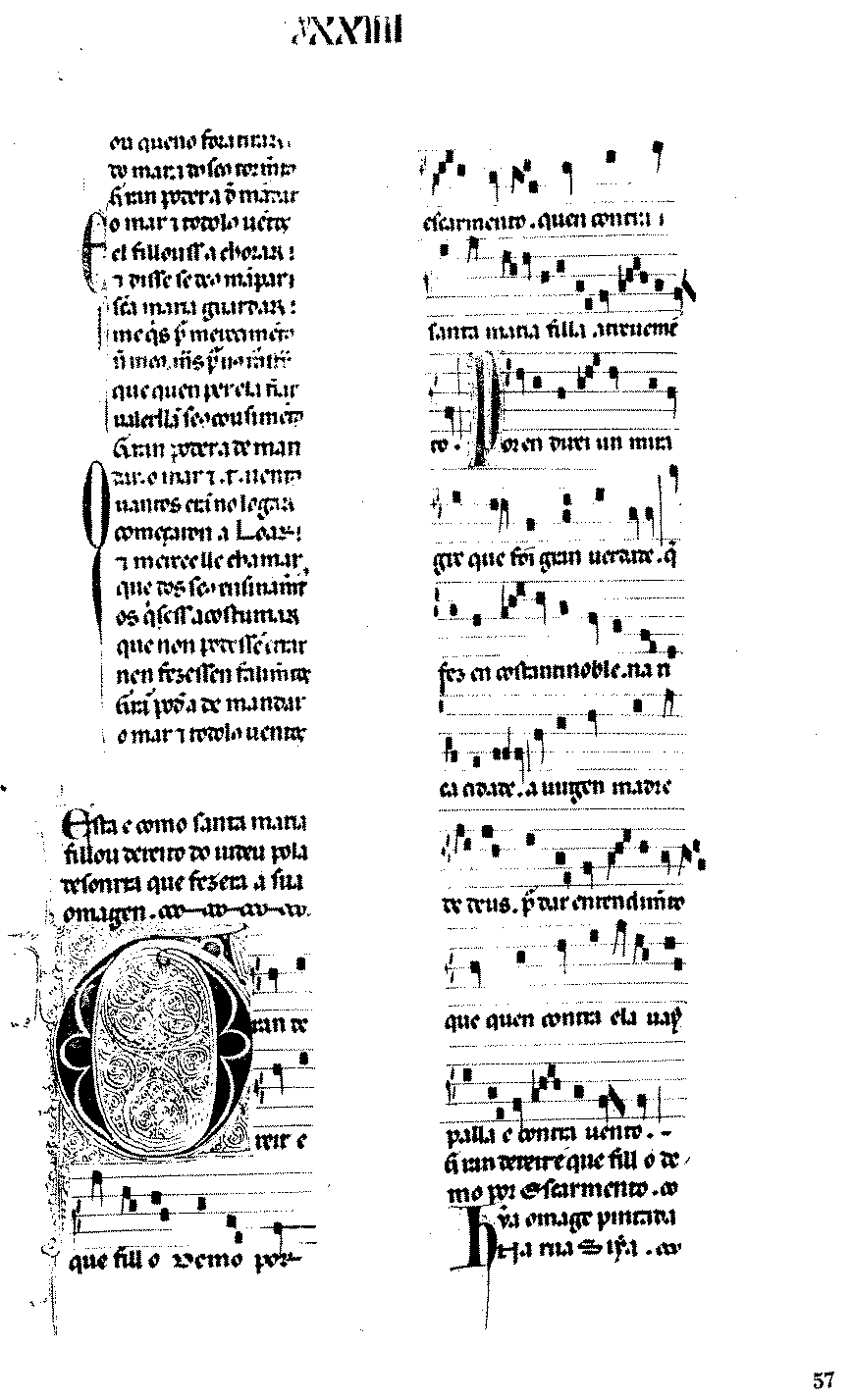
- a. 1284, Alfonso X of Castile, Cantigas de Santa Maria, Códice de los músicos, cantiga 34 (facsimile):
- Hṽa omage pintada na rua siya / en tauoa mui bẽ feita de ſanta Maria.
- There was in the street a well-made icon of Holy Mary, painted on wood.
- Hṽa omage pintada na rua siya / en tauoa mui bẽ feita de ſanta Maria.
- 1525-1526, Cancioneiro da Biblioteca Nacional, João de Gaia, B 1433: Vosso pai na rua (facsimile)

Descendants
Further reading
Palu'e
Etymology
From Proto-Central-Eastern Malayo-Polynesian *dua, from Proto-Malayo-Polynesian *duha, from Proto-Austronesian *duSa.
Numeral
rua
Portuguese

Pronunciation
- (Brazil) IPA(key): /ˈʁu.ɐ/ [ˈhu.ɐ]
- (Rio de Janeiro) IPA(key): /ˈʁu.ɐ/ [ˈχu.ɐ]
- (Portugal) IPA(key): /ˈʁu.ɐ/
Etymology 1
From Old Galician-Portuguese rua (“street”), from or influenced by Old French rue (Modern French rue) or Old Spanish rua (Modern Spanish rúa), from Latin rūga (“crease, wrinkle”), from Proto-Indo-European *h₁rewg- (“to roar, belch”). Cognate with Galician rúa. Doublet of ruga.
Noun
rua f (plural ruas)
- street; road (paved path)
- Eu moro na rua da Igreja.
- I live on Church Street.
- Olha para os dois lados antes de atravessar a rua.
- Look both ways before you cross the street.
- streets (urban areas outside buildings)
- O mendigo mora na rua.
- The beggar lives in the streets.
Derived terms
Interjection
rua!
Etymology 2
Verb
rua
- inflection of ruar:
- third-person singular present indicative
- second-person singular imperative
Further reading
- “rua”, in Dicionário Aulete Digital (in Portuguese), Rio de Janeiro: Lexikon Editora Digital, 2008–2026
- “rua”, in Dicionário Priberam da Língua Portuguesa (in Portuguese), Lisbon: Priberam, 2008–2026
Rapa Nui
Pronunciation
- IPA(key): /ˈɾu.a/
- Hyphenation: ru‧a
Etymology 1
| < 1 | 2 | 3 > |
|---|---|---|
| Cardinal : rua Compound form : piti | ||
From Proto-Eastern Polynesian *rua. Cognates include Hawaiian lua and Māori rua.
Numeral
rua
Etymology 2
From Proto-Polynesian *lua. Cognates include Samoan lua and Tokelauan lua.
Verb
rua
- (intransitive) to vomit
References
- Veronica Du Feu (1996), Rapanui (Descriptive Grammars), Routledge, →ISBN, page 207
- Paulus Kieviet (2017), A grammar of Rapa Nui[7], Berlin: Language Science Press, →ISBN, page 147
Rarotongan
| < 1 | 2 | 3 > |
|---|---|---|
| Cardinal : rua | ||
Etymology
From Proto-Eastern Polynesian *rua, from Proto-Nuclear Polynesian *rua, from Proto-Polynesian *rua, from Proto-Oceanic *rua, from Proto-Eastern Malayo-Polynesian *dua, from Proto-Central-Eastern Malayo-Polynesian *dua, from Proto-Malayo-Polynesian *duha, from Proto-Austronesian *duSa.
Numeral
rua
Ratahan
Etymology
From Proto-Malayo-Polynesian *duha, from Proto-Austronesian *duSa.
Numeral
rua
Rotuman
| [a], [b] ← 1 | 2 | 3 → |
|---|---|---|
| Cardinal: rua | ||
Etymology
From Proto-Central Pacific *rua, from Proto-Oceanic *rua, from Proto-Eastern Malayo-Polynesian *dua, from Proto-Central-Eastern Malayo-Polynesian *dua, from Proto-Malayo-Polynesian *duha, from Proto-Austronesian *duSa. Cognate with Fijian rua.
Numeral
rua
- two
- Hȧn rua fun iaʻ ta ʻe nujkoua ta.
- The two women cooked the fish in the earth oven.
References
- Churchward, C.M. (1940), “rua”, in Rotuman Grammar and Dictionary[8], Sydney, Australia: Methodist Church of Australasia, →ISBN, page 301
Sardinian
Alternative forms
Etymology
Noun
rua f (plural ruas)
Sotho
Verb
rua
- to be rich
Ternate
Etymology
Adverb
rua
References
- Rika Hayami-Allen (2001). A Descriptive Study of the Language of Ternate, the Northern Moluccas, Indonesia. University of Pittsburgh.
Tetum
Etymology
From Proto-Central-Eastern Malayo-Polynesian *dua, from Proto-Malayo-Polynesian *duha, from Proto-Austronesian *duSa.
Numeral
rua
Turkish
Etymology
Borrowed from French roi, from Latin rēx.
Pronunciation
- IPA(key): /ˈɾu.a/
- Hyphenation: ru‧a
Noun
rua (definite accusative ruayı, plural rualar)
- (uncommon, card games) king
- Synonym: papaz
Declension
| ||||||||||||||||||||||||||||||||||||||||||||||||||||||||||||||||||||||||||||||||||||||||||||||||||||||||||||||||||||||||||||||||||||||||||||||||||||||||||||||||||||||||||||||||||||||||||
See also
| Playing cards in Turkish · iskambil (layout · text) | ||||||
|---|---|---|---|---|---|---|

|
|
|
|
|
|
|
| as, birli | ikili | üçlü | dörtlü | beşli | altılı | yedili |

|
|
|
|
|
|

|
| sekizli | dokuzlu | onlu | bacak, oğlan, vale, fanti | kız | papaz, rua | joker |
Further reading
- “rua”, in Turkish dictionaries, Türk Dil Kurumu
- Ayverdi, İlhan (2010), “rua”, in Misalli Büyük Türkçe Sözlük, a reviewed and expanded single-volume edition, Istanbul: Kubbealtı Neşriyatı
Ujir
Numeral
rua
References
- Antoinette Schapper, Marian Klamer, Numeral systems in the Alor-Pantar languages
Uneapa
Etymology
From Proto-Oceanic *rua, from Proto-Malayo-Polynesian *duha, from Proto-Austronesian *duSa.
Pronunciation
- IPA(key): /rua/
Numeral
rua
Further reading
- Ross, Malcolm (1988), Proto Oceanic and the Austronesian Languages of Western Melanesia (Pacific Linguistics; C-98)[9], Canberra, ACT: Pacific Linguistics, Research School of Pacific and Asian Studies, Australian National University
Uruava
Numeral
rua
Further reading
- Ross, Malcolm (1988), Proto Oceanic and the Austronesian Languages of Western Melanesia (Pacific Linguistics; C-98)[10], Canberra, ACT: Pacific Linguistics, Research School of Pacific and Asian Studies, Australian National University
- ABVD
Venetan
Etymology 1
From Latin rota. Compare Italian ruota.
Alternative forms
Noun
rua f (plural rue)
Etymology 2
From Latin rūta, from Ancient Greek ῥυτή (rhutḗ). Compare Italian ruta.
Noun
rua f (plural rue)
- rue (plant)
Vietnamese
Etymology
From French ajourer (“hemstitch, perforate”).
Verb
rua
- to hemstitch
Anagrams
- Anuta lemmas
- Anuta numerals
- Anuta cardinal numbers
- 'Are'are terms inherited from Proto-Oceanic
- 'Are'are terms derived from Proto-Oceanic
- 'Are'are terms inherited from Proto-Eastern Malayo-Polynesian
- 'Are'are terms derived from Proto-Eastern Malayo-Polynesian
- 'Are'are terms inherited from Proto-Central-Eastern Malayo-Polynesian
- 'Are'are terms derived from Proto-Central-Eastern Malayo-Polynesian
- 'Are'are terms inherited from Proto-Malayo-Polynesian
- 'Are'are terms derived from Proto-Malayo-Polynesian
- 'Are'are terms inherited from Proto-Austronesian
- 'Are'are terms derived from Proto-Austronesian
- 'Are'are terms with IPA pronunciation
- 'Are'are lemmas
- 'Are'are numerals
- Balinese terms borrowed from Old Javanese
- Balinese terms derived from Old Javanese
- Balinese terms inherited from Proto-Malayo-Polynesian
- Balinese terms derived from Proto-Malayo-Polynesian
- Balinese doublets
- Balinese lemmas
- Balinese numerals
- Bariai lemmas
- Bariai numerals
- Bola lemmas
- Bola pronouns
- Catalan terms inherited from Latin
- Catalan terms derived from Latin
- Catalan doublets
- Catalan terms with IPA pronunciation
- Rhymes:Catalan/ua
- Rhymes:Catalan/ua/2 syllables
- Catalan lemmas
- Catalan nouns
- Catalan countable nouns
- Catalan feminine nouns
- Catalan terms with archaic senses
- Catalan terms with usage examples
- Chinese lemmas
- Mandarin lemmas
- Sichuanese lemmas
- Cantonese lemmas
- Hakka lemmas
- Hokkien lemmas
- Wu lemmas
- Middle Chinese lemmas
- Old Chinese lemmas
- Chinese verbs
- Mandarin verbs
- Sichuanese verbs
- Cantonese verbs
- Hakka verbs
- Hokkien verbs
- Wu verbs
- Middle Chinese verbs
- Old Chinese verbs
- Chinese terms written in foreign scripts
- Chinese variant forms
- Fijian terms inherited from Proto-Oceanic
- Fijian terms derived from Proto-Oceanic
- Fijian terms inherited from Proto-Eastern Malayo-Polynesian
- Fijian terms derived from Proto-Eastern Malayo-Polynesian
- Fijian terms inherited from Proto-Central-Eastern Malayo-Polynesian
- Fijian terms derived from Proto-Central-Eastern Malayo-Polynesian
- Fijian terms inherited from Proto-Malayo-Polynesian
- Fijian terms derived from Proto-Malayo-Polynesian
- Fijian terms inherited from Proto-Austronesian
- Fijian terms derived from Proto-Austronesian
- Fijian lemmas
- Fijian numerals
- Fijian cardinal numbers
- fj:Two
- Franco-Provençal variant lemmas
- Old Franco-Provençal
- Old Fribourgeois
- French terms with audio pronunciation
- French non-lemma forms
- French verb forms
- Galician non-lemma forms
- Galician verb forms
- Garo terms with IPA pronunciation
- Garo terms inherited from Proto-Bodo-Garo
- Garo terms derived from Proto-Bodo-Garo
- Garo terms inherited from Proto-Sino-Tibetan
- Garo terms derived from Proto-Sino-Tibetan
- Garo lemmas
- Garo nouns
- Garo verbs
- grt:Tools
- Gilbertese terms inherited from Proto-Oceanic
- Gilbertese terms derived from Proto-Oceanic
- Gilbertese terms inherited from Proto-Malayo-Polynesian
- Gilbertese terms derived from Proto-Malayo-Polynesian
- Gilbertese terms inherited from Proto-Austronesian
- Gilbertese terms derived from Proto-Austronesian
- Gilbertese terms with IPA pronunciation
- Gilbertese lemmas
- Gilbertese numerals
- Gilbertese cardinal numbers
- Gilbertese nouns
- Gilbertese verbs
- Gilbertese adjectives
- Indonesian 2-syllable words
- Indonesian terms with IPA pronunciation
- Rhymes:Indonesian/a
- Rhymes:Indonesian/a/2 syllables
- Indonesian terms derived from Old Galician-Portuguese
- Indonesian terms derived from Vulgar Latin
- Indonesian terms derived from Latin
- Indonesian terms derived from Proto-Indo-European
- Indonesian terms borrowed from Portuguese
- Indonesian terms derived from Portuguese
- Indonesian lemmas
- Indonesian nouns
- Indonesian terms with rare senses
- Indonesian terms with unknown etymologies
- Indonesian adjectives
- Indonesian terms with obsolete senses
- Irish terms derived from Proto-Indo-European
- Irish terms derived from the Proto-Indo-European root *h₁rewdʰ-
- Irish terms inherited from Old Irish
- Irish terms derived from Old Irish
- Irish terms inherited from Proto-Celtic
- Irish terms derived from Proto-Celtic
- Irish terms inherited from Proto-Indo-European
- Irish terms with IPA pronunciation
- Irish lemmas
- Irish adjectives
- Irish comparable adjectives
- Irish nouns
- Irish countable nouns
- Irish masculine nouns
- Irish fourth-declension nouns
- Irish uncountable nouns
- Irish feminine nouns
- ga:Pathology
- ga:Colors
- ga:Hair
- ga:People
- Italian 2-syllable words
- Italian terms with IPA pronunciation
- Rhymes:Italian/ua
- Rhymes:Italian/ua/2 syllables
- Italian lemmas
- Italian nouns
- Italian countable nouns
- Italian feminine nouns
- Kristang terms derived from Portuguese
- Kristang terms inherited from Portuguese
- Kristang lemmas
- Kristang nouns
- Leonese lemmas
- Leonese nouns
- Leonese feminine nouns
- Macanese terms derived from Portuguese
- Macanese terms with IPA pronunciation
- Macanese lemmas
- Macanese nouns
- Macanese terms with collocations
- Macanese terms calqued from Cantonese
- Macanese terms derived from Cantonese
- Makasar terms inherited from Proto-Malayo-Polynesian
- Makasar terms derived from Proto-Malayo-Polynesian
- Makasar terms inherited from Proto-Austronesian
- Makasar terms derived from Proto-Austronesian
- Makasar terms with IPA pronunciation
- Makasar lemmas
- Makasar numerals
- Makasar cardinal numbers
- Makasar terms with usage examples
- Makasar pronouns
- Hanyu Pinyin
- Mandarin non-lemma forms
- Mandarin nonstandard forms
- Māori terms with IPA pronunciation
- Māori terms inherited from Proto-Eastern Polynesian
- Māori terms derived from Proto-Eastern Polynesian
- Māori terms inherited from Proto-Nuclear Polynesian
- Māori terms derived from Proto-Nuclear Polynesian
- Māori terms inherited from Proto-Polynesian
- Māori terms derived from Proto-Polynesian
- Māori terms inherited from Proto-Oceanic
- Māori terms derived from Proto-Oceanic
- Māori terms inherited from Proto-Eastern Malayo-Polynesian
- Māori terms derived from Proto-Eastern Malayo-Polynesian
- Māori terms inherited from Proto-Central-Eastern Malayo-Polynesian
- Māori terms derived from Proto-Central-Eastern Malayo-Polynesian
- Māori terms inherited from Proto-Malayo-Polynesian
- Māori terms derived from Proto-Malayo-Polynesian
- Māori terms inherited from Proto-Austronesian
- Māori terms derived from Proto-Austronesian
- Māori lemmas
- Māori numerals
- Māori terms with collocations
- Māori nouns
- Māori cardinal numbers
- Mizo terms inherited from Proto-Kuki-Chin
- Mizo terms derived from Proto-Kuki-Chin
- Mizo terms inherited from Proto-Sino-Tibetan
- Mizo terms derived from Proto-Sino-Tibetan
- Mizo lemmas
- Mizo nouns
- Norwegian Nynorsk non-lemma forms
- Norwegian Nynorsk noun forms
- Occitan terms inherited from Old Occitan
- Occitan terms derived from Old Occitan
- Occitan terms inherited from Latin
- Occitan terms derived from Latin
- Occitan lemmas
- Occitan nouns
- Occitan countable nouns
- Occitan feminine nouns
- Limousin
- Old Galician-Portuguese terms derived from Vulgar Latin
- Old Galician-Portuguese terms derived from Old French
- Old Galician-Portuguese terms derived from Latin
- Old Galician-Portuguese terms derived from Proto-Indo-European
- Old Galician-Portuguese terms with IPA pronunciation
- Rhymes:Old Galician-Portuguese/ua
- Rhymes:Old Galician-Portuguese/ua/2 syllables
- Old Galician-Portuguese lemmas
- Old Galician-Portuguese nouns
- Old Galician-Portuguese feminine nouns
- Old Galician-Portuguese terms with quotations
- Palu'e terms inherited from Proto-Central-Eastern Malayo-Polynesian
- Palu'e terms derived from Proto-Central-Eastern Malayo-Polynesian
- Palu'e terms inherited from Proto-Malayo-Polynesian
- Palu'e terms derived from Proto-Malayo-Polynesian
- Palu'e terms inherited from Proto-Austronesian
- Palu'e terms derived from Proto-Austronesian
- Palu'e lemmas
- Palu'e numerals
- Palu'e cardinal numbers
- Portuguese 2-syllable words
- Portuguese terms with IPA pronunciation
- Portuguese terms with audio pronunciation
- Rhymes:Portuguese/uɐ
- Rhymes:Portuguese/uɐ/2 syllables
- Portuguese terms inherited from Old Galician-Portuguese
- Portuguese terms derived from Old Galician-Portuguese
- Portuguese terms derived from Old French
- Portuguese terms derived from Old Spanish
- Portuguese terms derived from Latin
- Portuguese terms derived from Proto-Indo-European
- Portuguese doublets
- Portuguese lemmas
- Portuguese nouns
- Portuguese countable nouns
- Portuguese feminine nouns
- Portuguese terms with usage examples
- Portuguese interjections
- Portuguese non-lemma forms
- Portuguese verb forms
- pt:Roads
- Rapa Nui terms with IPA pronunciation
- Rapa Nui terms derived from Proto-Oceanic
- Rapa Nui terms inherited from Proto-Oceanic
- Rapa Nui terms derived from Proto-Eastern Malayo-Polynesian
- Rapa Nui terms inherited from Proto-Eastern Malayo-Polynesian
- Rapa Nui terms derived from Proto-Central-Eastern Malayo-Polynesian
- Rapa Nui terms inherited from Proto-Central-Eastern Malayo-Polynesian
- Rapa Nui terms derived from Proto-Malayo-Polynesian
- Rapa Nui terms inherited from Proto-Malayo-Polynesian
- Rapa Nui terms derived from Proto-Austronesian
- Rapa Nui terms inherited from Proto-Austronesian
- Rapa Nui terms inherited from Proto-Eastern Polynesian
- Rapa Nui terms derived from Proto-Eastern Polynesian
- Rapa Nui lemmas
- Rapa Nui numerals
- Rapa Nui cardinal numbers
- Rapa Nui terms inherited from Proto-Polynesian
- Rapa Nui terms derived from Proto-Polynesian
- Rapa Nui verbs
- Rapa Nui intransitive verbs
- Rarotongan terms inherited from Proto-Eastern Polynesian
- Rarotongan terms derived from Proto-Eastern Polynesian
- Rarotongan terms inherited from Proto-Nuclear Polynesian
- Rarotongan terms derived from Proto-Nuclear Polynesian
- Rarotongan terms inherited from Proto-Polynesian
- Rarotongan terms derived from Proto-Polynesian
- Rarotongan terms inherited from Proto-Oceanic
- Rarotongan terms derived from Proto-Oceanic
- Rarotongan terms inherited from Proto-Eastern Malayo-Polynesian
- Rarotongan terms derived from Proto-Eastern Malayo-Polynesian
- Rarotongan terms inherited from Proto-Central-Eastern Malayo-Polynesian
- Rarotongan terms derived from Proto-Central-Eastern Malayo-Polynesian
- Rarotongan terms inherited from Proto-Malayo-Polynesian
- Rarotongan terms derived from Proto-Malayo-Polynesian
- Rarotongan terms inherited from Proto-Austronesian
- Rarotongan terms derived from Proto-Austronesian
- Rarotongan lemmas
- Rarotongan numerals
- Rarotongan cardinal numbers
- Ratahan terms inherited from Proto-Malayo-Polynesian
- Ratahan terms derived from Proto-Malayo-Polynesian
- Ratahan terms inherited from Proto-Austronesian
- Ratahan terms derived from Proto-Austronesian
- Ratahan lemmas
- Ratahan numerals
- Ratahan cardinal numbers
- Rotuman terms inherited from Proto-Oceanic
- Rotuman terms derived from Proto-Oceanic
- Rotuman terms inherited from Proto-Eastern Malayo-Polynesian
- Rotuman terms derived from Proto-Eastern Malayo-Polynesian
- Rotuman terms inherited from Proto-Central-Eastern Malayo-Polynesian
- Rotuman terms derived from Proto-Central-Eastern Malayo-Polynesian
- Rotuman terms inherited from Proto-Malayo-Polynesian
- Rotuman terms derived from Proto-Malayo-Polynesian
- Rotuman terms inherited from Proto-Austronesian
- Rotuman terms derived from Proto-Austronesian
- Rotuman lemmas
- Rotuman numerals
- Rotuman cardinal numbers
- Rotuman terms with usage examples
- rtm:Two
- Sardinian terms inherited from Latin
- Sardinian terms derived from Latin
- Sardinian lemmas
- Sardinian nouns
- Sardinian feminine nouns
- Sotho lemmas
- Sotho verbs
- Ternate terms prefixed with r-
- Ternate lemmas
- Ternate adverbs
- Tetum terms inherited from Proto-Central-Eastern Malayo-Polynesian
- Tetum terms derived from Proto-Central-Eastern Malayo-Polynesian
- Tetum terms inherited from Proto-Malayo-Polynesian
- Tetum terms derived from Proto-Malayo-Polynesian
- Tetum terms inherited from Proto-Austronesian
- Tetum terms derived from Proto-Austronesian
- Tetum lemmas
- Tetum numerals
- Tetum cardinal numbers
- Turkish terms borrowed from French
- Turkish terms derived from French
- Turkish terms derived from Latin
- Turkish terms with IPA pronunciation
- Turkish lemmas
- Turkish nouns
- Turkish terms with uncommon senses
- tr:Card games
- Ujir lemmas
- Ujir numerals
- Uneapa terms inherited from Proto-Oceanic
- Uneapa terms derived from Proto-Oceanic
- Uneapa terms inherited from Proto-Malayo-Polynesian
- Uneapa terms derived from Proto-Malayo-Polynesian
- Uneapa terms inherited from Proto-Austronesian
- Uneapa terms derived from Proto-Austronesian
- Uneapa terms with IPA pronunciation
- Uneapa lemmas
- Uneapa numerals
- Uruava lemmas
- Uruava numerals
- Venetan terms inherited from Latin
- Venetan terms derived from Latin
- Venetan lemmas
- Venetan nouns
- Venetan feminine nouns
- Venetan terms derived from Ancient Greek
- Vietnamese terms derived from French
- Vietnamese lemmas
- Vietnamese verbs