catar
Asturian
Etymology
Inherited from Old Leonese catar (“catch, observe, respect”) from Late Latin cattāre (“look at, see”), from Latin captāre (“strive to see, strive to catch with one's eyes”).
Pronunciation
- IPA(key): /kaˈtaɾ/ [kaˈt̪aɾ]
- Rhymes: -aɾ
- Syllabification: ca‧tar
Verb
catar (first-person singular indicative present cato, past participle catáu)
- to milk
- to search, look for
- Synonym: buscar
- to observe, watch, understand, notice
- Synonym: mirar
- to realize
- Synonyms: pescanciar, decatar, cayer, alvertir
- to taste, sample
- Synonym: prebar
- to delouse
- Synonym: espioyar
- to collect honey from a beehive
- to respect, venerate
Conjugation
| infinitive | catar | ||||||
|---|---|---|---|---|---|---|---|
| gerund | catando | ||||||
| past participle | m catáu, f catada, n catao, m pl cataos, f pl cataes | ||||||
| person | first singular yo |
second singular tu |
third singular él/elli |
first plural nosotros/nós |
second plural vosotros/vós |
third plural ellos | |
| indicative | present | cato | cates | cata | catamos | catáis | caten |
| imperfect | cataba | catabes | cataba | catábemos, catábamos | catabeis, catabais | cataben | |
| preterite | caté | catasti, catesti | cató | catemos | catastis, catestis | cataron | |
| pluperfect | catare, catara | catares, cataras | catare, catara | catáremos, catáramos | catareis, catarais | cataren, cataran | |
| future | cataré | catarás | catará | cataremos | cataréis | catarán | |
| conditional | cataría | cataríes | cataría | cataríemos, cataríamos | cataríeis, cataríais | cataríen | |
| subjunctive | present | cate | cates, catas | cate | catemos | catéis | caten, catan |
| imperfect | catare, catara | catares, cataras | catare, catara | catáremos, catáramos | catareis, catarais | cataren, cataran | |
| imperative | — | cata | — | — | catái | — | |
Derived terms
- cata
- catabuéis
- catador
- catadora
- catalavida
- catasol
- cataxe
- cataxuán
- decatar
- catar con ún mesmu
- catar los rebelgos
- cátate la fecha
- catalafecha
References
- “catar”, in Diccionariu de la llingua asturiana [Dictionary of the Asturian Language] (in Asturian), 1st edition, Academy of the Asturian Language [Asturian: Academia de la Llingua Asturiana], 2000, →ISBN
- García Arias, Xosé Lluis (2002–2004), “catar”, in Diccionario general de la lengua asturiana [General Dictionary of the Asturian Language] (overall work in Spanish), Editorial Prensa Asturiana, →ISBN
Galician
Etymology
Inherited from Old Galician-Portuguese catar, from Late Latin cattāre (“look at, see”), from Classical Latin captō.
Pronunciation
- IPA(key): /kaˈtaɾ/
- Hyphenation: ca‧tar
Noun
catar m (plural catares)
- (archaic) gaze
Adverb
catar
Verb
catar (first-person singular present cato, first-person singular preterite catei, past participle catado)
- (transitive) to catch
- (transitive) to collect
- (transitive) to collect honey
- (transitive) to search
- (transitive) to perceive, notice
- (pronominal) to realize (become aware of a fact or situation)
- Synonym: decatar
- (transitive) to carefully search
- Synonym: procurar
- (transitive) to delouse
- Synonym: espiollar
- (transitive) to taste; to eat
- (intransitive) to take care
- 1594, anonymous author, Entremés dos pastores:
- Ay Jan cata non te enfermes
nen sentencies con malicia
cata que a yalma perdes.- Oh, John, take care, don't get mad
Don't speak with malice
Take care, because you're losing your soul
- Oh, John, take care, don't get mad
Conjugation
| Singular | Plural | |||||
|---|---|---|---|---|---|---|
| First-person (eu) |
Second-person (ti) |
Third-person (el / ela / Vde.) |
First-person (nós) |
Second-person (vós) |
Third-person (eles / elas / Vdes.) | |
| Infinitive | ||||||
| Impersonal | catar | |||||
| Personal | catar | catares | catar | catarmos | catardes | cataren |
| Gerund | ||||||
| catando | ||||||
| Past participle | ||||||
| Masculine | catado | catados | ||||
| Feminine | catada | catadas | ||||
| Indicative | ||||||
| Present | cato | catas | cata | catamos | catades | catan |
| Imperfect | cataba | catabas | cataba | catabamos | catabades | cataban |
| Preterite | catei | cataches | catou | catamos | catastes | cataron |
| Pluperfect | catara | cataras | catara | cataramos | catarades | cataran |
| Future | catarei | catarás | catará | cataremos | cataredes | catarán |
| Conditional | cataría | catarías | cataría | catariamos | catariades | catarían |
| Subjunctive | ||||||
| Present | cate | cates | cate | catemos | catedes | caten |
| Imperfect | catase | catases | catase | catásemos | catásedes | catasen |
| Future | catar | catares | catar | catarmos | catardes | cataren |
| Imperative | ||||||
| Affirmative | cata | cate | catemos | catade | caten | |
| Negative (non) | non cates | non cate | non catemos | non catedes | non caten | |
1Less recommended.
Derived terms
References
- Seoane, Ernesto Xosé González; Granja, María Álvarez de la; Agrelo, Ana Isabel Boullón (2006–2022), “catar”, in Dicionario de Dicionarios do galego medieval [Dictionary of dictionaries of Medieval Galician] (in Galician), Santiago de Compostela: Instituto da Lingua Galega
- Barreiro, Xavier Varela; Guinovart, Xavier Gómez (2006–2018), “catar”, in Corpus Xelmírez: corpus lingüístico da Galicia medieval [Corpus Xelmírez: linguistic corpus of Medieval Galicia] (in Galician), Santiago de Compostela: Instituto da Lingua Galega
- Antón Santamarina, editor (2006–2013), “catar”, in Dicionario de Dicionarios da lingua galega [Dictionary of Dictionaries of the Galician language] (in Galician), Santiago de Compostela: Instituto da Lingua Galega
- “catar”, in Dicionario da Real Academia Galega (in Galician), A Coruña: Royal Galician Academy, 2012–2026
- Antón Santamarina, Ernesto X. González Seoane, María Álvarez de la Granja, editors (2003–2018), “catar”, in Tesouro informatizado da lingua galega (in Galician), Santiago de Compostela: Instituto da Lingua Galega
- “catar”, in Dicionário Estraviz de galego (in Galician), 2014–2026
- Rosario Álvarez Blanco, editor (2014–2024), “catar”, in Tesouro do léxico patrimonial galego e portugués (in Galician), Santiago de Compostela: Instituto da Lingua Galega, →ISSN
- Rosario Álvarez Blanco, editor (2014–2024), “cata que”, in Tesouro do léxico patrimonial galego e portugués (in Galician), Santiago de Compostela: Instituto da Lingua Galega, →ISSN
Occitan
Etymology 1
from the masculine plural of Medieval Latin Catharī (“Pure (ones)”), from the masculine plural of Medieval Greek καθαροί (katharoí, “Pure (ones)”), from the masculine singular of Medieval Greek καθαρός (katharós, “Pure (one)”), from Ancient Greek καθαρός (katharós, “pure”).
Adjective
catar m (feminine singular catara, masculine plural catars, feminine plural cataras)
Related terms
- catarisme
Etymology 2
Derived from Medieval Latin catarrus, from Late Latin catarrhus, from Ancient Greek κατάρροος (katárrhoos), which is derived from καταρρέω (katarrhéō, “to flow down”), which is composed of κατά (katá, “down”) and ῥέω (rhéō, “to flow”).
Noun
catar m (plural catars)
Related terms
- catarral
- catarrós
Further reading
- Diccionari General de la Lenga Occitana[1], L’Academia occitana – Consistòri del Gai Saber, 2008-2026, page 159
Old Galician-Portuguese
Etymology
Inherited from Late Latin cattāre (“look at, see”), from Classical Latin captō.
Pronunciation
- IPA(key): /ka.ˈtaɾ/
- Rhymes: -aɾ
Verb
catar
- to look; to observe; to examine
- to look for
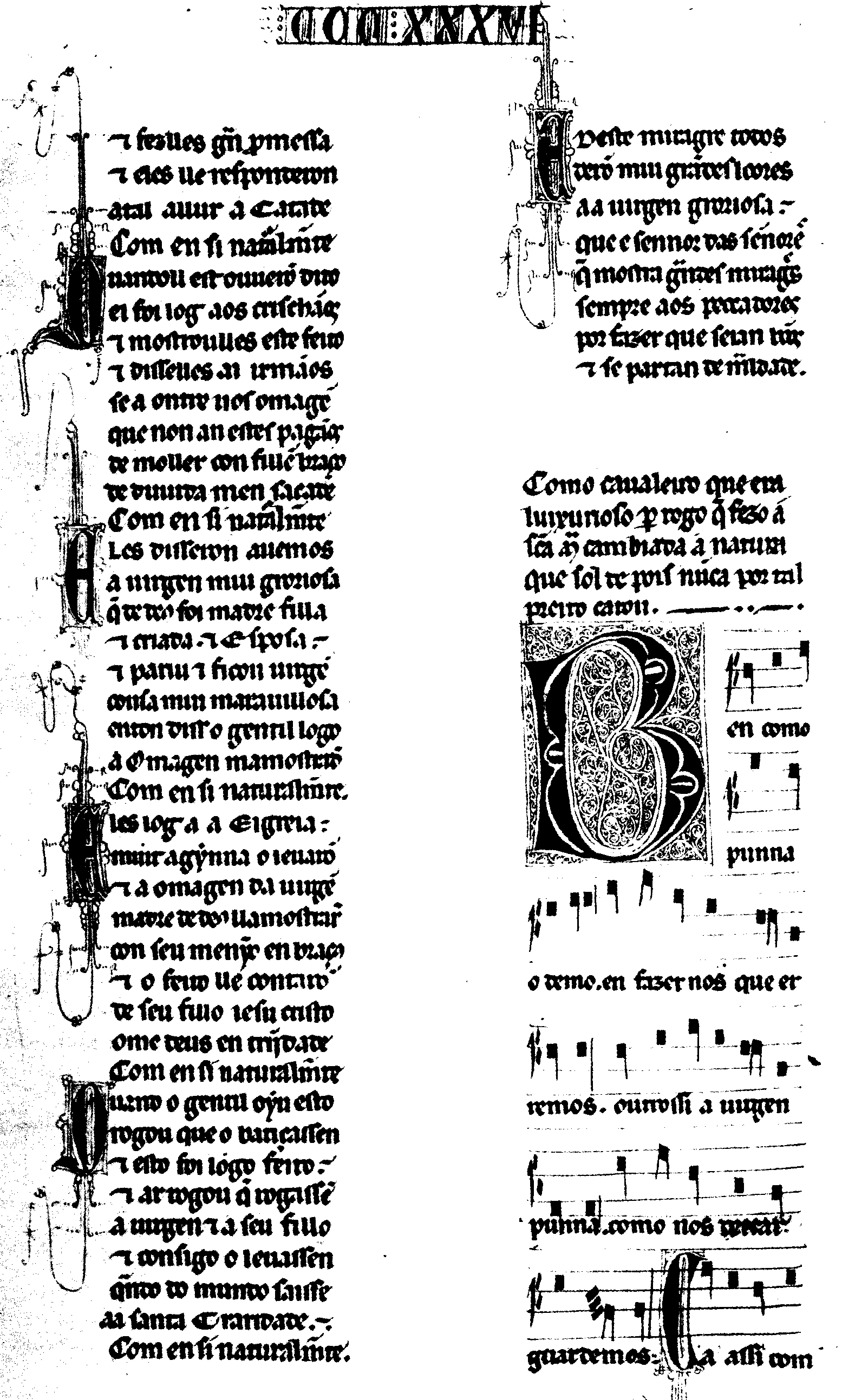
- a. 1284, Alfonso X of Castile, Cantigas de Santa Maria, Códice de los músicos, cantiga 335 (facsimile):
- ⁊ eles lle reſponderon / atal allur a catade.
- And they answered him: / go seek her elsewhere.
- ⁊ eles lle reſponderon / atal allur a catade.
- 13th century, Cancioneiro da Biblioteca Nacional, Estêvão Fernandes Barreto, B 1611: Stev'Eanes, por Deus mandade (facsimile)
- Out(ro) camj̃ho cate todauia […]
- Nevertheless, look for another way […]
- to consider
- to care
- 1370, Ramón Lorenzo, editor, Crónica Troiana, A Coruña: Fundación Barrié, page 533:
- Et moytas uegadas cõteçe que hay algũus que nõ catã senõ porlo que he sua prol
- And many times it happens that there are some than don't care but for their own interest
- 1370, Ramón Lorenzo, editor, Crónica Troiana, A Coruña: Fundación Barrié, page 297:
- cata ben tua fazẽda, de tal maneyra que todos digã que de bon padre que seýo bon fillo
- take good care of your possessions and responsibilities, so that everyone says that of a good father came a good son

Conjugation
| infinitive | catar | ||||||||
|---|---|---|---|---|---|---|---|---|---|
| gerund | simple | catando | |||||||
| compound | gerund of haver or tẽer1 + past participle | ||||||||
| past participle | singular | plural | |||||||
| masculine | catado | catados | |||||||
| feminine | catada | catadas | |||||||
| present participle | catante | catantes | |||||||
| person | singular | plural | |||||||
| first | second | third | first | second | third | ||||
| indicative mood | eu ei |
tu | el~ele ela |
nos nos outros nos outras |
vos vos outros vos outras |
eles elas | |||
| simple tenses |
present | cato | catas | cata | catamos | catades, cataes, catais, cataas, catás | catan | ||
| imperfect | catava | catavas | catava | catavamos, catávamos | catavades, catávades, catávaes, catávais, catávees, catáveis | catavan | |||
| preterite | catei | cataste, catasche, catache | catou | catamos | catastes | cataron | |||
| pluperfect | catara | cataras | catara | cataramos, catáramos | catarades, catárades, catáraes, catárais, catárees, catáreis | cataran | |||
| future | catarei | catarás | catará | cataremos | cataredes, catarees, catareis, catarês | catarán | |||
| conditional | cataria | catarias | cataria | catariamos, cataríamos | catariades, cataríades, cataríaes, cataríais, cataríees, cataríeis | catarian | |||
| compound tenses |
present perfect | present of haver or tẽer1 + past participle | |||||||
| pluperfect | imperfect of haver or tẽer1 + past participle | ||||||||
| past anterior | preterite of haver or tẽer1 + past participle | ||||||||
| pluperfect anterior | simple pluperfect of haver or tẽer1 + past participle | ||||||||
| future perfect | future of haver or tẽer1 + past participle | ||||||||
| conditional perfect | conditional of haver or tẽer1 + past participle | ||||||||
| subjunctive mood | eu ei |
tu | el~ele ela |
nos nos outros nos outras |
vos vos outros vos outras |
eles elas | |||
| simple tenses |
present | cate | cates | cate | catemos | catedes, catees, cateis, catês | caten | ||
| imperfect | catasse | catasses | catasse | catassemos, catássemos | catassedes, catássedes, catássees, catásseis | catassen | |||
| future | catar | catares | catar | catarmos | catardes | cataren | |||
| compound tenses |
present perfect | present subjunctive of haver or tẽer1 + past participle | |||||||
| pluperfect | imperfect subjunctive of haver or tẽer1 + past participle | ||||||||
| future perfect | future subjunctive of haver or tẽer1 + past participle | ||||||||
| imperative mood | — | tu | — | nos nos outros nos outras |
vos vos outros vos outras |
— | |||
| affirmative | — | cata | — | catemos | catade, catae, catai | — | |||
| negative | — | non cates | — | non catemos | non catedes, non catees, non cateis, non catês | — | |||
| personal infinitive | eu ei |
tu | el~ele ela |
nos nos outros nos outras |
vos vos outros vos outras |
eles elas | |||
| catar | catares | catar | catarmos | catardes | cataren | ||||
| 1 Haver is more common than tẽer. | |||||||||
Descendants
Noun
catar m (plural catares)
References
- Seoane, Ernesto Xosé González; Granja, María Álvarez de la; Agrelo, Ana Isabel Boullón (2006–2022), “catar”, in Dicionario de Dicionarios do galego medieval [Dictionary of dictionaries of Medieval Galician] (in Galician), Santiago de Compostela: Instituto da Lingua Galega
- Barreiro, Xavier Varela; Guinovart, Xavier Gómez (2006–2018), “catar”, in Corpus Xelmírez: corpus lingüístico da Galicia medieval [Corpus Xelmírez: linguistic corpus of Medieval Galicia] (in Galician), Santiago de Compostela: Instituto da Lingua Galega
Portuguese
Etymology 1
From Late Latin cattāre (“look at, see”), from Latin captāre (“strive to see, strive to catch with one's eyes”). Compare Galician, Asturian, and Spanish catar, Doublet of captar, a borrowing from Latin. Meaning “to find” possibly influenced by Venetan catar.
Pronunciation
- (Brazil) IPA(key): /kaˈta(ʁ)/ [kaˈta(h)]
- (São Paulo) IPA(key): /kaˈta(ɾ)/
- (Rio de Janeiro) IPA(key): /kaˈta(ʁ)/ [kaˈta(χ)]
- (Caipira) IPA(key): /kaˈta(ɻ)/
- (Portugal) IPA(key): /kɐˈtaɾ/
- (Southern Portugal) IPA(key): /kɐˈta.ɾi/
- Homophone: Catar (Brazil)
- Hyphenation: ca‧tar
Verb
catar (first-person singular present cato, first-person singular preterite catei, past participle catado)
- (transitive) to gather; to glean; to collect (get multiple things)
- (transitive) to pick up (collect an object, especially from the ground)
- Synonym: pegar
- Deixei cair a carta, pode catá-la para mim? ― I dropped the letter, can you pick it up for me?
- (transitive) to look for; to search for (try to find something)
- (slang, transitive) to pick up (start a short romantic relationship with)
- Synonym: pegar
- Ele catou duas raparigas na festa. ― He picked up two chicks at the party.
- (transitive) to clean something by removing defective elements one by one
- Synonym: selecionar
- Cate o feijão antes de o cozinhar. ― Remove the rotten beans before cooking them.
- (transitive, Rio Grande do Sul) to find
Conjugation
| Singular | Plural | |||||
|---|---|---|---|---|---|---|
| First-person (eu) |
Second-person (tu) |
Third-person (ele / ela / você) |
First-person (nós) |
Second-person (vós) |
Third-person (eles / elas / vocês) | |
| Infinitive | ||||||
| Impersonal | catar | |||||
| Personal | catar | catares | catar | catarmos | catardes | catarem |
| Gerund | ||||||
| catando | ||||||
| Past participle | ||||||
| Masculine | catado | catados | ||||
| Feminine | catada | catadas | ||||
| Indicative | ||||||
| Present | cato | catas | cata | catamos | catais | catam |
| Imperfect | catava | catavas | catava | catávamos | catáveis | catavam |
| Preterite | catei | cataste | catou | catamos1, catámos2 | catastes | cataram |
| Pluperfect | catara | cataras | catara | catáramos | catáreis | cataram |
| Future | catarei | catarás | catará | cataremos | catareis | catarão |
| Conditional | cataria | catarias | cataria | cataríamos | cataríeis | catariam |
| Subjunctive | ||||||
| Present | cate | cates | cate | catemos | cateis | catem |
| Imperfect | catasse | catasses | catasse | catássemos | catásseis | catassem |
| Future | catar | catares | catar | catarmos | catardes | catarem |
| Imperative | ||||||
| Affirmative | cata | cate | catemos | catai | catem | |
| Negative (não) | não cates | não cate | não catemos | não cateis | não catem | |
1Brazilian Portuguese.
2European Portuguese.
Derived terms
Related terms
Etymology 2
Derived from Persian قطار (qatâr),[1][2] borrowed from Arabic قِطَار (qiṭār).
Pronunciation
- (Brazil) IPA(key): /kaˈtaʁ/ [kaˈtah]
- (São Paulo) IPA(key): /kaˈtaɾ/
- (Rio de Janeiro) IPA(key): /kaˈtaʁ/ [kaˈtaχ]
- (Caipira) IPA(key): /kaˈtaɻ/
- (Portugal) IPA(key): /kɐˈtaɾ/
- (Southern Portugal) IPA(key): /kɐˈta.ɾi/
- Homophone: Catar (Brazil)
- Hyphenation: ca‧tar
Noun
catar m (plural catares)
Etymology 3
(This etymology is missing or incomplete. Please add to it, or discuss it at the Etymology scriptorium.)
Pronunciation
- (Brazil) IPA(key): /kaˈtaʁ/ [kaˈtah]
- (São Paulo) IPA(key): /kaˈtaɾ/
- (Rio de Janeiro) IPA(key): /kaˈtaʁ/ [kaˈtaχ]
- (Caipira) IPA(key): /kaˈtaɻ/
- (Portugal) IPA(key): /kɐˈtaɾ/
- (Southern Portugal) IPA(key): /kɐˈta.ɾi/
- Homophone: Catar (Brazil)
- Hyphenation: ca‧tar
Noun
catar m (plural catares)
References
- ^ “catar”, in Dicionário Infopédia da Língua Portuguesa (in Portuguese), Porto: Porto Editora, 2003–2026
- ^ “catar”, in Dicionário Priberam da Língua Portuguesa (in Portuguese), Lisbon: Priberam, 2008–2026
Further reading
- “catar”, in Dicionário Aulete Digital (in Portuguese), Rio de Janeiro: Lexikon Editora Digital, 2008–2026
- “catar”, in Dicionário inFormal (in Portuguese), 2006–2026
- “catar” in Dicionário Aberto based on Novo Diccionário da Língua Portuguesa de Cândido de Figueiredo, 1913
- “catar”, in Michaelis Dicionário Brasileiro da Língua Portuguesa (in Portuguese), São Paulo: Editora Melhoramentos, 2015–2026, →ISBN
Romanian
Etymology
Borrowed from French catarrhe, from Latin catarrhus.
Noun
catar n (plural cataruri)
Declension
| singular | plural | |||
|---|---|---|---|---|
| indefinite | definite | indefinite | definite | |
| nominative-accusative | catar | catarul | cataruri | catarurile |
| genitive-dative | catar | catarului | cataruri | catarurilor |
| vocative | catarule | catarurilor | ||
Spanish
Etymology
Inherited from Old Spanish catar, from Late Latin cattāre (“to look at, see”), from Classical Latin captō.
Pronunciation
- IPA(key): /kaˈtaɾ/ [kaˈt̪aɾ]
- Rhymes: -aɾ
- Syllabification: ca‧tar
Verb
catar (first-person singular present cato, first-person singular preterite caté, past participle catado)
- (transitive) to taste (wine)
- (transitive) to sample (an appetizer)
- (transitive) to examine, look at
- (intransitive, dated) This term needs a translation to English. Please help out and add a translation, then remove the text
{{rfdef}}.
Conjugation
| infinitive | catar | ||||||
|---|---|---|---|---|---|---|---|
| gerund | catando | ||||||
| past participle | masculine | feminine | |||||
| singular | catado | catada | |||||
| plural | catados | catadas | |||||
| singular | plural | ||||||
| 1st person | 2nd person | 3rd person | 1st person | 2nd person | 3rd person | ||
| indicative | yo | tú vos |
él/ella/ello usted |
nosotros nosotras |
vosotros vosotras |
ellos/ellas ustedes | |
| present | cato | catastú catásvos |
cata | catamos | catáis | catan | |
| imperfect | cataba | catabas | cataba | catábamos | catabais | cataban | |
| preterite | caté | cataste | cató | catamos | catasteis | cataron | |
| future | cataré | catarás | catará | cataremos | cataréis | catarán | |
| conditional | cataría | catarías | cataría | cataríamos | cataríais | catarían | |
| subjunctive | yo | tú vos |
él/ella/ello usted |
nosotros nosotras |
vosotros vosotras |
ellos/ellas ustedes | |
| present | cate | catestú catésvos2 |
cate | catemos | catéis | caten | |
| imperfect (ra) |
catara | cataras | catara | catáramos | catarais | cataran | |
| imperfect (se) |
catase | catases | catase | catásemos | cataseis | catasen | |
| future1 | catare | catares | catare | catáremos | catareis | cataren | |
| imperative | — | tú vos |
usted | nosotros nosotras |
vosotros vosotras |
ustedes | |
| affirmative | catatú catávos |
cate | catemos | catad | caten | ||
| negative | no cates | no cate | no catemos | no catéis | no caten | ||
These forms are generated automatically and may not actually be used. Pronoun usage varies by region.
| singular | plural | ||||||
|---|---|---|---|---|---|---|---|
| 1st person | 2nd person | 3rd person | 1st person | 2nd person | 3rd person | ||
| with infinitive catar | dative | catarme | catarte | catarle, catarse | catarnos | cataros | catarles, catarse |
| accusative | catarme | catarte | catarlo, catarla, catarse | catarnos | cataros | catarlos, catarlas, catarse | |
| with gerund catando | dative | catándome | catándote | catándole, catándose | catándonos | catándoos | catándoles, catándose |
| accusative | catándome | catándote | catándolo, catándola, catándose | catándonos | catándoos | catándolos, catándolas, catándose | |
| with informal second-person singular tuteo imperative cata | dative | cátame | cátate | cátale | cátanos | not used | cátales |
| accusative | cátame | cátate | cátalo, cátala | cátanos | not used | cátalos, cátalas | |
| with informal second-person singular voseo imperative catá | dative | catame | catate | catale | catanos | not used | catales |
| accusative | catame | catate | catalo, catala | catanos | not used | catalos, catalas | |
| with formal second-person singular imperative cate | dative | cáteme | not used | cátele, cátese | cátenos | not used | cáteles |
| accusative | cáteme | not used | cátelo, cátela, cátese | cátenos | not used | cátelos, cátelas | |
| with first-person plural imperative catemos | dative | not used | catémoste | catémosle | catémonos | catémoos | catémosles |
| accusative | not used | catémoste | catémoslo, catémosla | catémonos | catémoos | catémoslos, catémoslas | |
| with informal second-person plural imperative catad | dative | catadme | not used | catadle | catadnos | cataos | catadles |
| accusative | catadme | not used | catadlo, catadla | catadnos | cataos | catadlos, catadlas | |
| with formal second-person plural imperative caten | dative | cátenme | not used | cátenle | cátennos | not used | cátenles, cátense |
| accusative | cátenme | not used | cátenlo, cátenla | cátennos | not used | cátenlos, cátenlas, cátense | |
Derived terms
Related terms
Further reading
- “catar”, in Diccionario de la lengua española [Dictionary of the Spanish Language] (in Spanish), 24th edition, Royal Spanish Academy [Spanish: Real Academia Española], 30 October 2026
Anagrams
Venetan
Etymology
Verb
catar
- (transitive) to find
Conjugation
* Venetan conjugation varies from one region to another. Hence, the following conjugation should be considered as typical, not as exhaustive.
| infinitive | catar | |||||
|---|---|---|---|---|---|---|
| auxiliary verb | aver | gerund | catando | |||
| past participle | catà | |||||
| person | singular | plural | ||||
| first | second | third | first | second | third | |
| indicative | mi | ti | eło / eła | noialtri / noialtre | voialtri / voialtre | łuri / łore |
| present | cato | (te) cati | (el/ła) cata | catémo, catòn | caté | (i/łe) cata |
| imperfect | catava | (te) catavi | (el/ła) catava | catàvimo | catavi | (i/łe) catava |
| future | catarò | (te) catarè | (el/ła) catarà | catarémo | catarè | (i/łe) catarà |
| conditional | catarìa | (te) catarisi | (el/ła) catarìa | catarìsimo | catarisi | (i/łe) catarìa |
| subjunctive | che mi | che ti | che eło / eła | che noialtri / noialtre | che voialtri / voialtre | che łuri / łore |
| present | cate, cata | (te) cati | (el/ła) cate, (el/ła) cata | catémo, catone | caté | (i/łe) cate, (i/łe) cata |
| imperfect | catase | (te) catasi | (el/ła) catase | catàsimo | catasi | (i/łe) catase |
| imperative | — | ti | eło / eła | noialtri / noialtre | voialtri / voialtre | łuri / łore |
| — | (te) cata | (el/ła) cata, (el/ła) cate | catémo | caté | (i/łe) cata, (i/łe) cate | |
Related terms
Descendants
- →? Dalmatian: catur (“find”)
- Asturian terms inherited from Old Leonese
- Asturian terms derived from Old Leonese
- Asturian terms inherited from Late Latin
- Asturian terms derived from Late Latin
- Asturian terms inherited from Latin
- Asturian terms derived from Latin
- Asturian terms with IPA pronunciation
- Rhymes:Asturian/aɾ
- Rhymes:Asturian/aɾ/2 syllables
- Asturian lemmas
- Asturian verbs
- Galician terms derived from substrate languages
- Galician terms derived from Proto-Italic
- Galician terms inherited from Old Galician-Portuguese
- Galician terms derived from Classical Latin
- Galician terms derived from Proto-Indo-European
- Galician terms derived from Late Latin
- Galician terms derived from the Proto-Indo-European root *kap- (seize)
- Galician terms derived from Old Galician-Portuguese
- Galician terms derived from Latin
- Galician terms inherited from Late Latin
- Galician terms derived from Archaic Latin
- Galician terms inherited from Classical Latin
- Galician terms with IPA pronunciation
- Galician lemmas
- Galician nouns
- Galician countable nouns
- Galician masculine nouns
- Galician terms with archaic senses
- Galician adverbs
- Galician verbs
- Galician verbs ending in -ar
- Galician transitive verbs
- Galician intransitive verbs
- Galician terms with quotations
- Occitan terms derived from Medieval Latin
- Occitan terms derived from Medieval Greek
- Occitan terms derived from Ancient Greek
- Occitan lemmas
- Occitan adjectives
- Occitan terms derived from Late Latin
- Occitan nouns
- Occitan countable nouns
- Occitan masculine nouns
- oc:Medicine
- Old Galician-Portuguese terms derived from Late Latin
- Old Galician-Portuguese terms inherited from Classical Latin
- Old Galician-Portuguese terms derived from the Proto-Indo-European root *kap- (seize)
- Old Galician-Portuguese terms derived from Proto-Italic
- Old Galician-Portuguese terms derived from Proto-Indo-European
- Old Galician-Portuguese terms derived from Classical Latin
- Old Galician-Portuguese terms derived from Latin
- Old Galician-Portuguese terms derived from Archaic Latin
- Old Galician-Portuguese terms inherited from Late Latin
- Old Galician-Portuguese terms derived from substrate languages
- Old Galician-Portuguese terms with IPA pronunciation
- Rhymes:Old Galician-Portuguese/aɾ
- Rhymes:Old Galician-Portuguese/aɾ/2 syllables
- Old Galician-Portuguese lemmas
- Old Galician-Portuguese verbs
- Old Galician-Portuguese terms with quotations
- Old Galician-Portuguese verbs ending in -ar
- Old Galician-Portuguese nouns
- Old Galician-Portuguese masculine nouns
- Portuguese terms inherited from Late Latin
- Portuguese terms derived from Late Latin
- Portuguese terms inherited from Latin
- Portuguese terms derived from Latin
- Portuguese doublets
- Portuguese terms derived from Venetan
- Portuguese 2-syllable words
- Portuguese terms with IPA pronunciation
- Portuguese 3-syllable words
- Portuguese terms with homophones
- Portuguese lemmas
- Portuguese verbs
- Portuguese verbs ending in -ar
- Portuguese transitive verbs
- Portuguese terms with usage examples
- Portuguese slang
- Gaúcho Portuguese
- Portuguese terms derived from the Arabic root ق ط ر
- Portuguese terms derived from Arabic
- Portuguese terms derived from Persian
- Portuguese nouns
- Portuguese countable nouns
- Portuguese masculine nouns
- Portuguese terms with rare senses
- Romanian terms derived from French
- Romanian terms derived from Latin
- Romanian terms borrowed from French
- Romanian lemmas
- Romanian nouns
- Romanian countable nouns
- Romanian neuter nouns
- Spanish terms inherited from Old Spanish
- Spanish terms derived from Proto-Indo-European
- Spanish terms derived from Late Latin
- Spanish terms inherited from Classical Latin
- Spanish terms derived from Archaic Latin
- Spanish terms derived from substrate languages
- Spanish terms inherited from Late Latin
- Spanish terms derived from the Proto-Indo-European root *kap- (seize)
- Spanish terms derived from Classical Latin
- Spanish terms derived from Proto-Italic
- Spanish terms derived from Latin
- Spanish terms derived from Old Spanish
- Spanish 2-syllable words
- Spanish terms with IPA pronunciation
- Rhymes:Spanish/aɾ
- Rhymes:Spanish/aɾ/2 syllables
- Spanish lemmas
- Spanish verbs
- Spanish verbs ending in -ar
- Spanish transitive verbs
- Spanish intransitive verbs
- Spanish dated terms
- Venetan terms inherited from Latin
- Venetan terms derived from Latin
- Venetan lemmas
- Venetan verbs
- Venetan transitive verbs
- Venetan first conjugation verbs