Roma
Albanian • Azerbaijani • Catalan • Central Nahuatl • Franco-Provençal • Galician • German • Hawaiian • Indonesian • Italian • Latin • Latvian • Lithuanian • Maranao • Norwegian Bokmål • Norwegian Nynorsk • Occitan • Old Galician-Portuguese • Old Spanish • Polish • Portuguese • Romagnol • Romanian • Sardinian • Sicilian • Spanish • Swahili • Turkish
Page categories
English
Pronunciation
- (General American) IPA(key): /ˈɹoʊmə/
- (Received Pronunciation) IPA(key): /ˈɹəʊmə/
Audio (Southern England): (file)
Etymology 1

Borrowed from Romani roma, plural of rom (“man, husband, Romani man”). The latter probably comes from Sanskrit डोम्ब (ḍomba, “lower-caste person working as a wandering musician”), from Sanskrit डमरु (ḍamaru, “drum”), which may have been borrowed from a Dravidian language.[1] Folk etymology pointed to a legend that the ethnic group were an exiled people from Roman Imperial times.
The other major categories of words for the Roma are cognates of Gypsy (words related to Egypt) and cognates of tzigane (words derived from Greek); see those entries for more information.
Alternative forms
- Rroma
Proper noun
Roma
- A nomadic people with origins in India, the Romani.
- A subgroup of the Romani people found primarily in Eastern Europe.
- A variety of the Romani language (or occasionally) the Romani macrolanguage.
Translations
- For translations which are exonyms (not cognates of the Romani term for themselves), see Gypsy.
|
Noun
Roma (plural Romas)
- A Rom; a member of the Romani people.
- 2013 October 25, Filip Borev, “I was a pale Roma baby – it's always been a family joke that I was stolen”, in Alan Rusbridger, editor, The Guardian[1], London: Guardian News & Media, →ISSN, →OCLC, archived from the original on 12 August 2022:
- My genes would best be described as a melting pot – my mother is part Bulgarian Roma, part Romanichal (English Romany), and my dad is part Romanichal, part Irish Traveller – thus, it was hardly surprising when I was born a blue-eyed milk bottle.
Translations
Adjective
Roma (not comparable)
- Romani: of or pertaining to the Romani people.
Translations
Derived terms
See also
References
- ^ “Rom, n.”, in OED Online
 , Oxford: Oxford University Press, September 2024.
Etymology 2
From Latin and Italian Roma (“Rome”). Doublet of Rome and Rum.
Proper noun
Roma
- A number of places around the world:
- A town, the seat of the Maranoa Region, Queensland, Australia, from the Italian surname di Roma.
- A settlement in Maseru district, Lesotho.
- A town in Ascope province, La Libertad region, northern Peru.
- A commune in Botoșani County, Romania.
- A village in Valencia province, Valencia, Spain.
- A locality in central Gotland, Sweden.
- A city and border crossing point on the Rio Grande in Starr County, Texas, United States.
- A female given name from Latin of English-speakers.
- Alternative form of Rome:
- A major city, the capital of Italy and the Italian region of Lazio, located on the Tiber River; the ancient capital of the Roman Empire.
- 1881, Oscar Wilde, “[Rosa Mystica.] Rome Unvisited.”, in Poems, London: David Bogue, […], →OCLC, canto I, page 44:
- O Roma, Roma, at thy feet / I lay this barren gift of song! / For, ah! the way is steep and long / That leads unto thy sacred street.
- 1896, W[alter] D[elaplaine] Scull, “Mrs. Platt”, in The Garden of the Matchboxes and Other Stories, London: Elkin Mathews, page 94:
- But it would have been so nice to have a private income, and to be able sometimes to go to Venezia, Firenze, Roma, those places with the beautiful names.
- 1987 October, Chelsea Quinn Yarbro, chapter 1, in A Flame in Byzantium, New York, N.Y.: Tor, →ISBN, part I (Belisarius), page 4:
- At Neapolis there was chaos as those who could flee Roma came to this port seeking escape.
- A metropolitan city of Lazio, Italy
- (historical) An ancient empire based out of the city of Rome, covering vast territories in Europe, Asia and Africa; in full, Roman Empire.
- A major city, the capital of Italy and the Italian region of Lazio, located on the Tiber River; the ancient capital of the Roman Empire.
Noun
Roma (plural Romas)
Etymology 3
Compare Indonesian Bahasa Romang (“Roma language”). This etymology is incomplete. You can help Wiktionary by elaborating on the origins of this term.
Proper noun
Roma
- An Austronesian language of Indonesia.
Further reading
- Ethnologue entry for Roma, rmm
 Romang language on Wikipedia.Wikipedia
- Bahasa Romang on the Indonesian Wikipedia.Wikipedia id
Anagrams
Albanian
Proper noun
Roma
- definite nominative singular of Romë
Azerbaijani
Proper noun
Roma
- Rome (a major city, the capital of Italy and the Italian region of Lazio, located on the Tiber River; the ancient capital of the Roman Empire)
- Rome (a metropolitan city of Lazio, Italy)
- (historical) Rome, Ancient Rome (an ancient empire based out of the city of Rome, covering vast territories in Europe, Asia and Africa; in full, Roman Empire)
Catalan
Etymology
Pronunciation
- IPA(key): (Northern) [ˈru.mə]
- IPA(key): (Balearic, Central) [ˈro.mə]
- IPA(key): (Valencia, Northwestern) [ˈro.ma]
Audio (Barcelona): (file)
Proper noun
Roma f
- Rome (a major city, the capital of Italy and the Italian region of Lazio, located on the Tiber River; the ancient capital of the Roman Empire)
- Rome (a metropolitan city of Lazio, Italy)
- (historical) Rome, Ancient Rome (an ancient empire based out of the city of Rome, covering vast territories in Europe, Asia and Africa; in full, Roman Empire)
Related terms
Central Nahuatl
Proper noun
Roma
- Rome (a major city, the capital of Italy and the Italian region of Lazio, located on the Tiber River; the ancient capital of the Roman Empire)
- Rome (a metropolitan city of Lazio, Italy)
- (historical) Rome, Ancient Rome (an ancient empire based out of the city of Rome, covering vast territories in Europe, Asia and Africa; in full, Roman Empire)
Franco-Provençal
Proper noun
Roma f
- Rome (a major city, the capital of Italy and the Italian region of Lazio, located on the Tiber River; the ancient capital of the Roman Empire)
- Rome (a metropolitan city of Lazio, Italy)
- (historical) Rome, Ancient Rome (an ancient empire based out of the city of Rome, covering vast territories in Europe, Asia and Africa; in full, Roman Empire)
Galician
Proper noun
Roma f
- Rome (a major city, the capital of Italy and the Italian region of Lazio, located on the Tiber River; the ancient capital of the Roman Empire)
- Rome (a metropolitan city of Lazio, Italy)
- (historical) Rome, Ancient Rome (an ancient empire based out of the city of Rome, covering vast territories in Europe, Asia and Africa; in full, Roman Empire)
Related terms
German
Pronunciation
Noun
Roma m pl
- plural of Rom
- 2016 April 11, Caroline Kraft, quoting Gilda-Nancy Horvat, “Beleidigt, bespuckt”, in Zeit Online[2], archived from the original on 25 December 2024:
- "Viele Roma positionieren sich zu Antiziganismus gar nicht, weil sie Angst haben. Sie outen sich nicht, egal, ob sie Manager, Anwälte oder Politiker sind. Der Gedanke, stolz darauf sein zu können, dass man Roma ist, erscheint immer noch absurd", meint Gilda-Nancy Horvath, selbst Romni und ORF-Journalistin.
- “Many a Rom does not take position in respect to antiziganism, by reason of fear. They don’t come out, no matter, whether they are managers, advocates or politicians. The thought of being proud about being a Rom, still appears absurd.”, opines Gilda-Nancy Horvath, herself Romni and ORF journalist.
Hawaiian
Proper noun
Roma
- Romans (book of the Bible)
Indonesian
Pronunciation
- IPA(key): /ˈroma/
- Rhymes: -ma, -a
- Homophone: roma
- Hyphenation: Ro‧ma
Etymology 1
From Italian Roma, from Latin Rōma.
Proper noun
Roma
- Rome:
- Rome (a major city, the capital of Italy and the Italian region of Lazio, located on the Tiber River; the ancient capital of the Roman Empire)
- Rome (a metropolitan city of Lazio, Italy)
- (historical) Rome, Ancient Rome (an ancient empire based out of the city of Rome, covering vast territories in Europe, Asia and Africa; in full, Roman Empire)
- (metonymic) the Italian government
- the Holy See, the leadership of the Roman Catholic Church, particularly prior to the establishment of the Vatican City in the 19th century
- the Church of Rome, the Roman Catholic Church generally
- (biblical) Epistle to the Romans
Alternative forms
- Rom (Standard Malay)
Related terms
Etymology 2
Unknown (This etymology is missing or incomplete. Please add to it, or discuss it at the Etymology scriptorium.)
Proper noun
Roma
- ethnic groups inhabiting Roma Island, Southeast Maluku Regency
- Synonyms: Ruma, Romang
Further reading
- “Roma”, in Kamus Besar Bahasa Indonesia [Great Dictionary of the Indonesian Language] (in Indonesian), Jakarta: Agency for Language Development and Cultivation – Ministry of Education, Culture, Research, and Technology of the Republic of Indonesia, 2016
Italian
Etymology
Pronunciation
- IPA(key): /ˈro.ma/
Audio: (file) - Rhymes: -oma
- Hyphenation: Ró‧ma
Proper noun
Roma f
- Rome (a major city, the capital of Italy and the Italian region of Lazio, located on the Tiber River; the ancient capital of the Roman Empire)
- Rome (a metropolitan city of Lazio, Italy)
- (historical) Rome, Ancient Rome (an ancient empire based out of the city of Rome, covering vast territories in Europe, Asia and Africa; in full, Roman Empire)
- Rome (a former province of Lazio, Italy)
- the letter R in the Italian spelling alphabet
Related terms
Descendants
Anagrams
Latin
Alternative forms
- R (numismatic abbreviation)
Etymology
Uncertain.
- Roman mythology derived the name from Rōmulus, name of the legendary founder and first king. This is almost certainly a folk etymology, and the name of the mythical figure is more likely derived from the city name.
- The word may derive from Rumon, which according to the Roman grammarian Servius was an archaic name for the Tiber River. This could in turn be from some Indo-European substrate, such as Umbrian or Faliscan, perhaps earlier *Sroumon- assuming a loss of *s-, ultimately from Proto-Indo-European *(s)rów-mon- or *(s)réw-mon- (“river, stream”, literally “flow”), derived from the root *srew- (“to flow”) + *-mō / *-mḗn; compare Ancient Greek ῥεῦμα (rheûma, “flow, current, stream”), Στρῡμών (Strūmṓn, “Strymon, Struma”, a word of Thracian origin), Albanian rrymë (“stream, current”), Proto-Slavic *strumy (“stream”), Lithuanian stràuma (“stream”), Proto-Germanic *straumaz (“river, stream”, whence English stream), and Old Irish sruaimm (“river”). (Note that some of these are from thematicized *srow-m-o/eh₂-, and there are several ablaut variants.) However, this is speculative, as no such place-name in another language in the relevant region is recorded. If correct, it is a doublet of Strymon.
- Alternatively, the word may be of Etruscan origin, as 𐌓𐌖𐌌𐌀 (ruma) was one of the Etruscan gentes, from 𐌓𐌖𐌌 (rum, “teat”). Given the lack of a secure Indo-European etymology for Rōma, this possibility is most appealing. See also Ficus Ruminalis. This etymology is incomplete. You can help Wiktionary by elaborating on the origins of this term.
- Severius assumed a relation to both the Greek ῥεῦμα (rheûma, “river”), ῥέω (rhéō, “to flow”) and Latin ruō (“to rush, hurry; to fall”), though these two roots are now known to be unrelated. The connection to ruō is still occasionally suggested, assuming an ad hoc semantic development “to flow”, but the Latin *rōm- would still need to be borrowed rather than derived natively from this root. See Proto-Indo-European *h₃rew-. Even less likely is Severius' etymology of the aforementioned name of the Tiber, describing it as rūmināns (“chewing away”), from Latin rūmen (“throat, gullet”). Nor is there any likely relation to ruō (“to dig out”).
- Plutarch assumed derivation from Ancient Greek ῥώμη (rhṓmē, “strength”); this is fanciful.
Pronunciation
- Rōma:
- (Classical Latin) IPA(key): [ˈroː.ma]
- (modern Italianate Ecclesiastical) IPA(key): [ˈrɔː.ma]
- Rōmā:
- (Classical Latin) IPA(key): [ˈroː.maː]
- (modern Italianate Ecclesiastical) IPA(key): [ˈrɔː.ma]
Proper noun
Rōma f sg (genitive Rōmae); first declension
- Rome (a major city, the capital of Italy and the Italian region of Lazio, located on the Tiber River; the ancient capital of the Roman Empire)
- Ut Rōma iugum omnibus terrīs impōneret.
- That Rome might overcome all countries.
- Venit Rōmā.
- He came from Rome.
- (historical) Rome, Ancient Rome (an ancient empire based out of the city of Rome, covering vast territories in Europe, Asia and Africa; in full, Roman Empire)
- (Late Latin) Rome and/or Constantinople (the latter as "Nova Roma")
- (Ecclesiastical Latin, poetic) The Roman Catholic Church in general
- (New Latin) Rome (a metropolitan city of Lazio, Italy)
Declension
First-declension noun, with locative, singular only.
| singular | |
|---|---|
| nominative | Rōma |
| genitive | Rōmae |
| dative | Rōmae |
| accusative | Rōmam |
| ablative | Rōmā |
| vocative | Rōma |
| locative | Rōmae |
Derived terms
Related terms
Descendants
- Italian: Roma
- Old French: Rome, Rume, Rumme (Anglo-Norman)
- Old Occitan:
- West Iberian
- Sicilian: Ruma, Roma
- Borrowings
- → Ancient Greek: Ῥώμη (Rhṓmē)
- Greek: Ρώμη (Rómi)
- → Arabic: رُومِية (rūmiya)
- → Aramaic: רומא
- Classical Syriac: ܪܘܡܐ (Rōmāʾ, Rōmēʾ)
- → Old Armenian: Հռովմ (Hṙovm), Հռոմ (Hṙom)
- Armenian: Հռոմ (Hṙom)
- → Egyptian:
(hrm)


- → Parthian: (/Frōm/)
- Inscriptional Parthian script: 𐭐𐭓𐭅𐭌 (prwm)
- Manichaean script: 𐫜𐫡𐫇𐫖 (frwm)
- → Middle Persian: (/Hrōm/, “Rome; Byzantine”)
- Book Pahlavi script: [Book Pahlavi needed] (hlwm)
- Manichaean script: 𐫍𐫡𐫇𐫖 (hrwm)
- Pazend script: 𐬀𐬭𐬋𐬨 (arōm)
- Inscriptional Pahlavi script: 𐭧𐭫𐭥𐭬𐭩 (ḥlwmy), Middle Persian: 𐭧𐭫𐭥𐭬 (ḥlwm)
- → Arabic: روما (rūmā)
- → Proto-Celtic: *Rūmā (see there for further descendants)
- → Proto-Germanic: *Rūmō (see there for further descendants)
- → Southern Common Slavic: *Rymъ
- → Mishnaic Hebrew: רומא
- Israeli Hebrew: רומא (róma)
- → Middle Persian: [Term?] (/Hrōmāyīg/, “Roman, Greek”)
- → Old Irish: Róm (see there for further descendants)
- → Romanian: Roma
References
- “Roma”, in Charlton T. Lewis and Charles Short (1879), A Latin Dictionary, Oxford: Clarendon Press
- “Roma”, in Charlton T. Lewis (1891), An Elementary Latin Dictionary, New York: Harper & Brothers
Anagrams
Latvian
Etymology
Pronunciation
- IPA(key): [ˈɾūɔ̯̄ma]
Proper noun
Rõma f (4th declension)
- Rome (a major city, the capital of Italy and the Italian region of Lazio, located on the Tiber River; the ancient capital of the Roman Empire)
- Rome (a metropolitan city of Lazio, Italy)
- (historical) Rome, Ancient Rome (an ancient empire based out of the city of Rome, covering vast territories in Europe, Asia and Africa; in full, Roman Empire)
Declension
| singular | plural | |
|---|---|---|
| nominative | Roma | — |
| genitive | Romas | — |
| dative | Romai | — |
| accusative | Romu | — |
| instrumental | Romu | — |
| locative | Romā | — |
| vocative | Roma | — |
Lithuanian
Etymology
Proper noun
Roma f
- Rome (a major city, the capital of Italy and the Italian region of Lazio, located on the Tiber River; the ancient capital of the Roman Empire)
- Rome (a metropolitan city of Lazio, Italy)
- (historical) Rome, Ancient Rome (an ancient empire based out of the city of Rome, covering vast territories in Europe, Asia and Africa; in full, Roman Empire)
Declension
| singular | |
|---|---|
| nominative | Roma |
| genitive | Romos |
| dative | Romai |
| accusative | Romą |
| instrumental | Roma |
| locative | Romoje |
| vocative | Roma |
Maranao
Proper noun
Roma
- Rome (a major city, the capital of Italy and the Italian region of Lazio, located on the Tiber River; the ancient capital of the Roman Empire)
- Rome (a metropolitan city of Lazio, Italy)
- (historical) Rome, Ancient Rome (an ancient empire based out of the city of Rome, covering vast territories in Europe, Asia and Africa; in full, Roman Empire)
References
- Howard P. McKaughan, Batua A. Macaraya (1967), A Maranao Dictionary[3] (overall work in Maranao and English), University of Hawaii Press
Norwegian Bokmål
Alternative forms
Etymology
Proper noun
Roma
- Rome (a major city, the capital of Italy and the Italian region of Lazio, located on the Tiber River; the ancient capital of the Roman Empire)
- Rome (a metropolitan city of Lazio, Italy)
- (historical) Rome, Ancient Rome (an ancient empire based out of the city of Rome, covering vast territories in Europe, Asia and Africa; in full, Roman Empire)
Norwegian Nynorsk
Etymology
Proper noun
Roma
- Rome (a major city, the capital of Italy and the Italian region of Lazio, located on the Tiber River; the ancient capital of the Roman Empire)
- Rome (a metropolitan city of Lazio, Italy)
- (historical) Rome, Ancient Rome (an ancient empire based out of the city of Rome, covering vast territories in Europe, Asia and Africa; in full, Roman Empire)
Occitan
Proper noun
Roma f
- Rome (a major city, the capital of Italy and the Italian region of Lazio, located on the Tiber River; the ancient capital of the Roman Empire)
- Rome (a metropolitan city of Lazio, Italy)
- (historical) Rome, Ancient Rome (an ancient empire based out of the city of Rome, covering vast territories in Europe, Asia and Africa; in full, Roman Empire)
Related terms
Old Galician-Portuguese
Etymology
Inherited from Latin Rōma (“Rome”).
Pronunciation
- IPA(key): /ˈro.ma/
Proper noun
Roma
- Rome (the ancient capital of the Roman Empire; the capital city of the Papal States, in modern-day Italy)
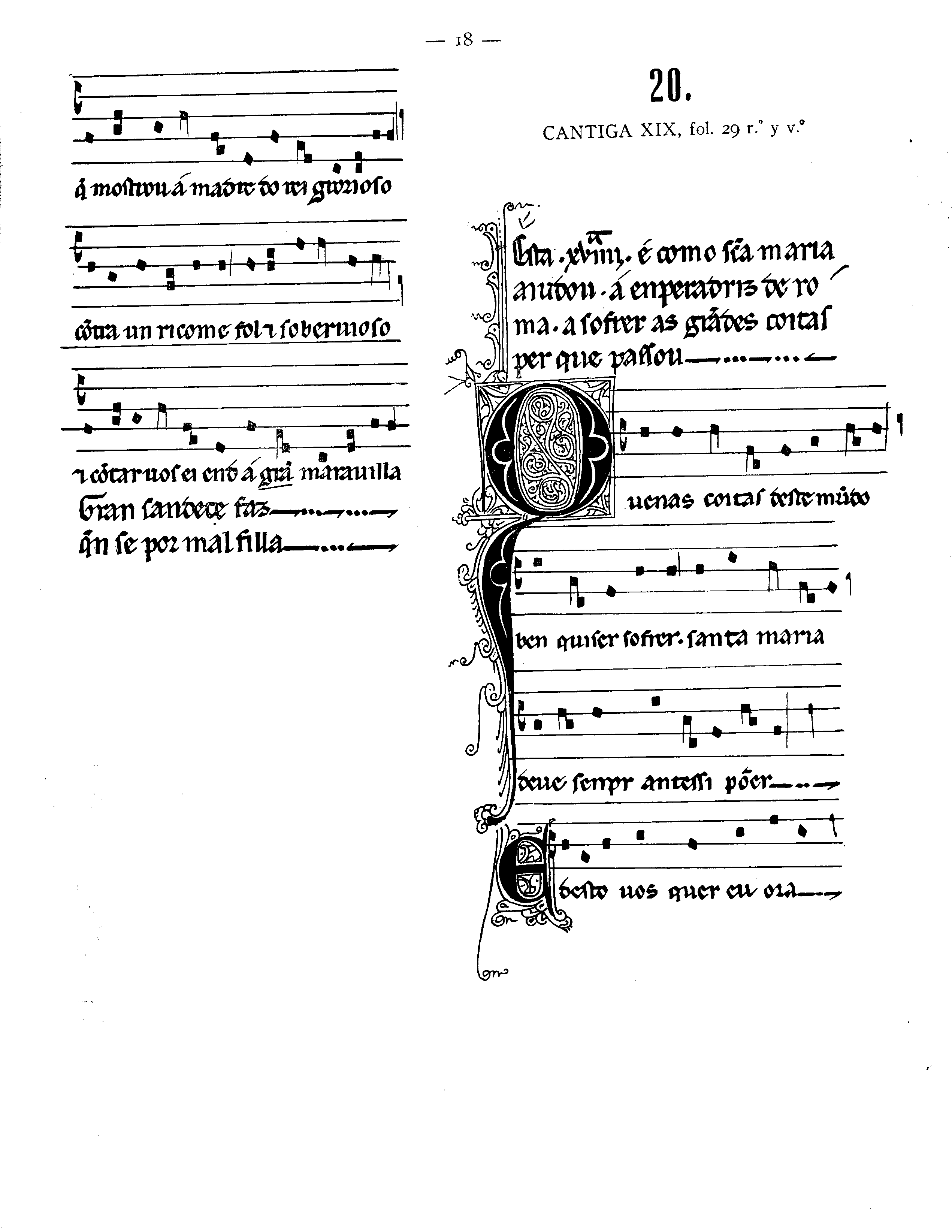
-
- Eſta ·xviiii· é como ſṫa maria aiudou · á emperadriz de roma · a ſofrer as grãdes coitaſ per que paſſou.
- This 19th is how Holy Mary helped the empress of Rome suffer the great pains she underwent.
- Eſta ·xviiii· é como ſṫa maria aiudou · á emperadriz de roma · a ſofrer as grãdes coitaſ per que paſſou.
-
Related terms
Descendants
Old Spanish
Etymology
From Latin Rōma. Compare Old Galician-Portuguese Roma.
Pronunciation
- IPA(key): /ˈroma/
Proper noun
Roma f
- Rome (the ancient capital of the Roman Empire; the capital city of the Papal States, in modern-day Italy)
- c. 1200, Almerich, Fazienda de Ultramar, f. 79r:
- Sant peẏdro fo p̃dicar en roma. e por occaſiõ de ſimõ magus el encantador. nero el enꝑador fizolo meter en .+. dela cabeça aẏuſo e delos pies aſuſo.
- [Sant Peydro fo predicar en Roma, e por occasion de Simon Magus el encantador, Nero el emperador fizo-lo meter en cruz de la cabeça ayuso e de los pies asuso.]
- Saint Peter went to Rome to preach, and because of Simon Magus the sorcerer Nero the emperor had him put on a cross with his head down and his feet up.
Related terms
Descendants
- Spanish: Roma
Polish
Etymology
See the etymology of the corresponding lemma form.
Pronunciation
- IPA(key): /ˈrɔ.ma/
Audio: (file) - Rhymes: -ɔma
- Syllabification: Ro‧ma
Noun
Roma m pers
- genitive/accusative singular of Rom
Portuguese
Etymology
Inherited from Old Galician-Portuguese Roma, from Latin Rōma (“Rome”).
Pronunciation
- (Brazil) IPA(key): /ˈʁõ.mɐ/ [ˈhõ.mɐ]
- (Rio de Janeiro) IPA(key): /ˈʁõ.mɐ/ [ˈχõ.mɐ]
- (Portugal) IPA(key): /ˈʁo.mɐ/
- Hyphenation: Ro‧ma
Proper noun
Roma f
- Rome (a major city, the capital of Italy and the Italian region of Lazio, located on the Tiber River; the ancient capital of the Roman Empire)
- Rome (a metropolitan city of Lazio, Italy)
- (historical) Rome, Ancient Rome (an ancient empire based out of the city of Rome, covering vast territories in Europe, Asia and Africa; in full, Roman Empire)
- the Catholic Church (Christian church centred in the Vatican)
Related terms
Anagrams
Romagnol
Alternative forms
Proper noun
Roma f (Faenza)
- Rome (a major city, the capital of Italy and the Italian region of Lazio, located on the Tiber River; the ancient capital of the Roman Empire)
- Rome (a metropolitan city of Lazio, Italy)
- (historical) Rome, Ancient Rome (an ancient empire based out of the city of Rome, covering vast territories in Europe, Asia and Africa; in full, Roman Empire)
Romanian
Etymology
Learned borrowing from Latin Rōma.
Pronunciation
Audio: (file)
Proper noun
Roma
- Rome (a major city, the capital of Italy and the Italian region of Lazio, located on the Tiber River; the ancient capital of the Roman Empire)
- Rome (a metropolitan city of Lazio, Italy)
- (historical) Rome, Ancient Rome (an ancient empire based out of the city of Rome, covering vast territories in Europe, Asia and Africa; in full, Roman Empire)
Related terms
Sardinian
Proper noun
Roma f
- Rome (a major city, the capital of Italy and the Italian region of Lazio, located on the Tiber River; the ancient capital of the Roman Empire)
- Rome (a metropolitan city of Lazio, Italy)
- (historical) Rome, Ancient Rome (an ancient empire based out of the city of Rome, covering vast territories in Europe, Asia and Africa; in full, Roman Empire)
Sicilian
Proper noun
Roma f
- Rome (a major city, the capital of Italy and the Italian region of Lazio, located on the Tiber River; the ancient capital of the Roman Empire)
- Rome (a metropolitan city of Lazio, Italy)
- (historical) Rome, Ancient Rome (an ancient empire based out of the city of Rome, covering vast territories in Europe, Asia and Africa; in full, Roman Empire)
Spanish
Etymology
Inherited from Old Spanish Roma, from Latin Rōma.
Pronunciation
- IPA(key): /ˈroma/ [ˈro.ma]
- Rhymes: -oma
- Syllabification: Ro‧ma
Proper noun
Roma f
- Rome (a major city, the capital of Italy and the Italian region of Lazio, located on the Tiber River; the ancient capital of the Roman Empire)
- Rome (a metropolitan city of Lazio, Italy)
- (historical) Rome, Ancient Rome (an ancient empire based out of the city of Rome, covering vast territories in Europe, Asia and Africa; in full, Roman Empire)
- 1915, Julio Vicuña Cifuentes, Mitos y Supersticiones Recogidos de la Tradición Oral Chilena, page 190:
- Los antiguos alcanzaban mayor longevidad, porque eran bautizados con óleos venidos directamente de Roma, que, por cierto, debían tener más virtud y eficacia que los nuestros.
- (please add an English translation of this quotation)
Derived terms
Related terms
Further reading
- “Roma”, in Diccionario de la lengua española [Dictionary of the Spanish Language] (in Spanish), 24th edition, Royal Spanish Academy [Spanish: Real Academia Española], 30 October 2026
Anagrams
Swahili
Proper noun
Roma
- Rome (a major city, the capital of Italy and the Italian region of Lazio, located on the Tiber River; the ancient capital of the Roman Empire)
- Rome (a metropolitan city of Lazio, Italy)
- (historical) Rome, Ancient Rome (an ancient empire based out of the city of Rome, covering vast territories in Europe, Asia and Africa; in full, Roman Empire)
Turkish
Etymology
From Ottoman Turkish روما (Roma), from Italian and Latin Roma. Doublet of Rum.
Proper noun
Roma
- Rome (a major city, the capital of Italy and the Italian region of Lazio, located on the Tiber River; the ancient capital of the Roman Empire)
- Rome (a metropolitan city of Lazio, Italy)
- (historical) Rome, Ancient Rome (an ancient empire based out of the city of Rome, covering vast territories in Europe, Asia and Africa; in full, Roman Empire)
Declension
| singular | plural | |
|---|---|---|
| nominative | Roma | - |
| definite accusative | Roma'yı | - |
| dative | Roma'ya | - |
| locative | Roma'da | - |
| ablative | Roma'dan | - |
| genitive | Roma'nın | - |
See also
- Roma İmparatorluğu
References
- Kélékian, Diran (1911), “روما”, in Dictionnaire turc-français[4] (in French), Constantinople: Mihran, page 632
- English 2-syllable words
- English terms with IPA pronunciation
- English terms with audio pronunciation
- English terms borrowed from Romani
- English terms derived from Romani
- English terms derived from Sanskrit
- English lemmas
- English proper nouns
- English uncountable nouns
- English nouns
- English countable nouns
- English terms with quotations
- English adjectives
- English uncomparable adjectives
- English terms borrowed from Latin
- English terms derived from Latin
- English terms borrowed from Italian
- English terms derived from Italian
- English doublets
- en:Towns in Queensland, Australia
- en:Towns in Australia
- en:Capital cities
- en:Places in Queensland, Australia
- en:Places in Australia
- en:Villages in Lesotho
- en:Places in Lesotho
- en:Towns in Peru
- en:Places in Peru
- en:Communes of Botoșani County, Romania
- en:Places in Botoșani County, Romania
- en:Places in Romania
- en:Villages in Valencia, Spain
- en:Villages in Spain
- en:Places in Valencia, Spain
- en:Places in Spain
- en:Villages in Sweden
- en:Places in Sweden
- en:Cities in Texas, USA
- en:Cities in the United States
- en:Places in Texas, USA
- en:Places in the United States
- English given names
- English female given names
- English female given names from Latin
- en:Rome
- en:Cities in Italy
- en:Cities in Lazio, Italy
- en:National capitals
- en:Regional capitals of Italy
- en:Places in Italy
- en:Places in Lazio, Italy
- en:Ancient settlements
- en:Former capitals
- en:Places in the Roman Empire
- en:Metropolitan cities of Italy
- English terms with historical senses
- en:Former polities
- en:Ancient Rome
- en:Ethnonyms
- en:Languages
- en:Tomatoes
- Albanian non-lemma forms
- Albanian proper noun forms
- Azerbaijani lemmas
- Azerbaijani proper nouns
- az:Rome
- az:Cities in Italy
- az:Cities in Lazio, Italy
- az:National capitals
- az:Regional capitals of Italy
- az:Places in Italy
- az:Places in Lazio, Italy
- az:Ancient settlements
- az:Former capitals
- az:Places in the Roman Empire
- az:Metropolitan cities of Italy
- Azerbaijani terms with historical senses
- az:Former polities
- az:Ancient Rome
- Catalan terms inherited from Latin
- Catalan terms derived from Latin
- Catalan terms derived from the Proto-Indo-European root *srew-
- Catalan terms derived from Proto-Indo-European
- Catalan terms derived from the Proto-Indo-European root *ser- (flow)
- Catalan terms derived from Etruscan
- Catalan terms derived from other languages
- Catalan terms with IPA pronunciation
- Catalan terms with audio pronunciation
- Catalan lemmas
- Catalan proper nouns
- Catalan uncountable proper nouns
- Catalan feminine nouns
- ca:Rome
- ca:Cities in Italy
- ca:Cities in Lazio, Italy
- ca:National capitals
- ca:Regional capitals of Italy
- ca:Places in Italy
- ca:Places in Lazio, Italy
- ca:Ancient settlements
- ca:Former capitals
- ca:Places in the Roman Empire
- ca:Metropolitan cities of Italy
- Catalan terms with historical senses
- ca:Former polities
- ca:Ancient Rome
- Central Nahuatl lemmas
- Central Nahuatl proper nouns
- nhn:Rome
- nhn:Cities in Italy
- nhn:Cities in Lazio, Italy
- nhn:National capitals
- nhn:Regional capitals of Italy
- nhn:Places in Italy
- nhn:Places in Lazio, Italy
- nhn:Ancient settlements
- nhn:Former capitals
- nhn:Places in the Roman Empire
- nhn:Metropolitan cities of Italy
- Central Nahuatl terms with historical senses
- nhn:Former polities
- nhn:Ancient Rome
- Franco-Provençal lemmas
- Franco-Provençal proper nouns
- Franco-Provençal feminine nouns
- frp:Rome
- frp:Cities in Italy
- frp:Cities in Lazio, Italy
- frp:National capitals
- frp:Regional capitals of Italy
- frp:Places in Italy
- frp:Places in Lazio, Italy
- frp:Ancient settlements
- frp:Former capitals
- frp:Places in the Roman Empire
- frp:Metropolitan cities of Italy
- Franco-Provençal terms with historical senses
- frp:Former polities
- frp:Ancient Rome
- Galician lemmas
- Galician proper nouns
- Galician uncountable proper nouns
- Galician feminine nouns
- gl:Rome
- gl:Cities in Italy
- gl:Cities in Lazio, Italy
- gl:National capitals
- gl:Regional capitals of Italy
- gl:Places in Italy
- gl:Places in Lazio, Italy
- gl:Ancient settlements
- gl:Former capitals
- gl:Places in the Roman Empire
- gl:Metropolitan cities of Italy
- Galician terms with historical senses
- gl:Former polities
- gl:Ancient Rome
- German 2-syllable words
- German terms with IPA pronunciation
- German terms with audio pronunciation
- German non-lemma forms
- German noun forms
- German terms with quotations
- Hawaiian lemmas
- Hawaiian proper nouns
- Hawaiian terms spelled with R
- haw:Bible
- haw:Books of the Bible
- Indonesian terms with IPA pronunciation
- Rhymes:Indonesian/ma
- Rhymes:Indonesian/ma/2 syllables
- Rhymes:Indonesian/a
- Rhymes:Indonesian/a/2 syllables
- Indonesian terms with homophones
- Indonesian terms borrowed from Italian
- Indonesian terms derived from Italian
- Indonesian terms derived from Latin
- Indonesian lemmas
- Indonesian proper nouns
- id:Rome
- id:Cities in Italy
- id:Cities in Lazio, Italy
- id:National capitals
- id:Regional capitals of Italy
- id:Places in Italy
- id:Places in Lazio, Italy
- id:Ancient settlements
- id:Former capitals
- id:Places in the Roman Empire
- id:Metropolitan cities of Italy
- Indonesian terms with historical senses
- id:Former polities
- id:Ancient Rome
- Indonesian metonyms
- id:Bible
- Indonesian terms with unknown etymologies
- Italian terms derived from Etruscan
- Italian terms derived from the Proto-Indo-European root *ser- (flow)
- Italian terms inherited from Latin
- Italian terms derived from other languages
- Italian terms derived from Latin
- Italian terms derived from Proto-Indo-European
- Italian terms derived from the Proto-Indo-European root *srew-
- Italian 2-syllable words
- Italian terms with IPA pronunciation
- Italian terms with audio pronunciation
- Rhymes:Italian/oma
- Rhymes:Italian/oma/2 syllables
- Italian lemmas
- Italian proper nouns
- Italian uncountable proper nouns
- Italian feminine nouns
- it:Rome
- it:Cities in Italy
- it:Cities in Lazio, Italy
- it:National capitals
- it:Regional capitals of Italy
- it:Places in Italy
- it:Places in Lazio, Italy
- it:Ancient settlements
- it:Former capitals
- it:Places in the Roman Empire
- it:Metropolitan cities of Italy
- Italian terms with historical senses
- it:Former polities
- it:Ancient Rome
- it:Former political divisions
- Latin terms derived from the Proto-Indo-European root *ser- (flow)
- Latin terms borrowed from Etruscan
- Latin terms derived from the Proto-Indo-European root *srew-
- Latin terms derived from Etruscan
- Latin terms derived from other languages
- Latin terms derived from Proto-Indo-European
- Latin terms with unknown etymologies
- Latin terms derived from Indo-European languages
- Latin terms derived from substrate languages
- Latin terms borrowed from Umbrian
- Latin terms derived from Umbrian
- Latin terms borrowed from Faliscan
- Latin terms derived from Faliscan
- Latin doublets
- Latin 2-syllable words
- Latin terms with IPA pronunciation
- Latin lemmas
- Latin proper nouns
- Latin first declension nouns
- Latin feminine nouns in the first declension
- Latin feminine nouns
- la:Rome
- la:Cities in Italy
- la:Cities in Lazio, Italy
- la:National capitals
- la:Regional capitals of Italy
- la:Places in Italy
- la:Places in Lazio, Italy
- la:Ancient settlements
- la:Former capitals
- la:Places in the Roman Empire
- Latin terms with usage examples
- Latin terms with historical senses
- la:Former polities
- la:Ancient Rome
- Late Latin
- Ecclesiastical Latin
- Latin poetic terms
- New Latin
- la:Metropolitan cities of Italy
- Latvian terms borrowed from Latin
- Latvian terms derived from Latin
- Latvian terms with IPA pronunciation
- Latvian words with level intonation
- Latvian lemmas
- Latvian proper nouns
- Latvian feminine nouns
- lv:Rome
- lv:Cities in Italy
- lv:Cities in Lazio, Italy
- lv:National capitals
- lv:Regional capitals of Italy
- lv:Places in Italy
- lv:Places in Lazio, Italy
- lv:Ancient settlements
- lv:Former capitals
- lv:Places in the Roman Empire
- lv:Metropolitan cities of Italy
- Latvian terms with historical senses
- lv:Former polities
- lv:Ancient Rome
- Latvian fourth declension nouns
- Lithuanian terms borrowed from Latin
- Lithuanian terms derived from Latin
- Lithuanian lemmas
- Lithuanian proper nouns
- Lithuanian feminine nouns
- lt:Rome
- lt:Cities in Italy
- lt:Cities in Lazio, Italy
- lt:National capitals
- lt:Regional capitals of Italy
- lt:Places in Italy
- lt:Places in Lazio, Italy
- lt:Ancient settlements
- lt:Former capitals
- lt:Places in the Roman Empire
- lt:Metropolitan cities of Italy
- Lithuanian terms with historical senses
- lt:Former polities
- lt:Ancient Rome
- Lithuanian uncountable nouns
- Maranao lemmas
- Maranao proper nouns
- mrw:Rome
- mrw:Cities in Italy
- mrw:Cities in Lazio, Italy
- mrw:National capitals
- mrw:Regional capitals of Italy
- mrw:Places in Italy
- mrw:Places in Lazio, Italy
- mrw:Ancient settlements
- mrw:Former capitals
- mrw:Places in the Roman Empire
- mrw:Metropolitan cities of Italy
- Maranao terms with historical senses
- mrw:Former polities
- mrw:Ancient Rome
- Norwegian Bokmål terms borrowed from Italian
- Norwegian Bokmål terms derived from Italian
- Norwegian Bokmål terms borrowed from Latin
- Norwegian Bokmål terms derived from Latin
- Norwegian Bokmål lemmas
- Norwegian Bokmål proper nouns
- nb:Rome
- nb:Cities in Italy
- nb:Cities in Lazio, Italy
- nb:National capitals
- nb:Regional capitals of Italy
- nb:Places in Italy
- nb:Places in Lazio, Italy
- nb:Ancient settlements
- nb:Former capitals
- nb:Places in the Roman Empire
- nb:Metropolitan cities of Italy
- Norwegian Bokmål terms with historical senses
- nb:Former polities
- nb:Ancient Rome
- Norwegian Nynorsk terms borrowed from Italian
- Norwegian Nynorsk terms derived from Italian
- Norwegian Nynorsk terms borrowed from Latin
- Norwegian Nynorsk terms derived from Latin
- Norwegian Nynorsk lemmas
- Norwegian Nynorsk proper nouns
- nn:Rome
- nn:Cities in Italy
- nn:Cities in Lazio, Italy
- nn:National capitals
- nn:Regional capitals of Italy
- nn:Places in Italy
- nn:Places in Lazio, Italy
- nn:Ancient settlements
- nn:Former capitals
- nn:Places in the Roman Empire
- nn:Metropolitan cities of Italy
- Norwegian Nynorsk terms with historical senses
- nn:Former polities
- nn:Ancient Rome
- Occitan lemmas
- Occitan proper nouns
- Occitan feminine nouns
- oc:Rome
- oc:Cities in Italy
- oc:Cities in Lazio, Italy
- oc:National capitals
- oc:Regional capitals of Italy
- oc:Places in Italy
- oc:Places in Lazio, Italy
- oc:Ancient settlements
- oc:Former capitals
- oc:Places in the Roman Empire
- oc:Metropolitan cities of Italy
- Occitan terms with historical senses
- oc:Former polities
- oc:Ancient Rome
- Old Galician-Portuguese terms derived from Etruscan
- Old Galician-Portuguese terms derived from the Proto-Indo-European root *ser- (flow)
- Old Galician-Portuguese terms derived from the Proto-Indo-European root *srew-
- Old Galician-Portuguese terms derived from Latin
- Old Galician-Portuguese terms derived from other languages
- Old Galician-Portuguese terms inherited from Latin
- Old Galician-Portuguese terms derived from Proto-Indo-European
- Old Galician-Portuguese terms with IPA pronunciation
- Old Galician-Portuguese lemmas
- Old Galician-Portuguese proper nouns
- roa-opt:Rome
- roa-opt:Ancient settlements
- roa-opt:Former capitals
- roa-opt:Places in the Roman Empire
- roa-opt:Cities in Italy
- roa-opt:National capitals
- roa-opt:Places in Italy
- Old Galician-Portuguese terms with quotations
- Old Spanish terms inherited from Latin
- Old Spanish terms derived from Latin
- Old Spanish terms with IPA pronunciation
- Old Spanish lemmas
- Old Spanish proper nouns
- Old Spanish feminine nouns
- osp:Rome
- osp:Ancient settlements
- osp:Former capitals
- osp:Places in the Roman Empire
- osp:Cities in Italy
- osp:National capitals
- osp:Places in Italy
- Old Spanish terms with quotations
- Polish 2-syllable words
- Polish terms with IPA pronunciation
- Polish terms with audio pronunciation
- Rhymes:Polish/ɔma
- Rhymes:Polish/ɔma/2 syllables
- Polish non-lemma forms
- Polish noun forms
- Portuguese terms derived from Latin
- Portuguese terms inherited from Old Galician-Portuguese
- Portuguese terms inherited from Latin
- Portuguese terms derived from other languages
- Portuguese terms derived from the Proto-Indo-European root *srew-
- Portuguese terms derived from Etruscan
- Portuguese terms derived from the Proto-Indo-European root *ser- (flow)
- Portuguese terms derived from Proto-Indo-European
- Portuguese terms derived from Old Galician-Portuguese
- Portuguese 2-syllable words
- Portuguese terms with IPA pronunciation
- Portuguese lemmas
- Portuguese proper nouns
- Portuguese uncountable proper nouns
- Portuguese feminine nouns
- pt:Rome
- pt:Cities in Italy
- pt:Cities in Lazio, Italy
- pt:National capitals
- pt:Regional capitals of Italy
- pt:Places in Italy
- pt:Places in Lazio, Italy
- pt:Ancient settlements
- pt:Former capitals
- pt:Places in the Roman Empire
- pt:Metropolitan cities of Italy
- Portuguese terms with historical senses
- pt:Former polities
- pt:Ancient Rome
- pt:Christianity
- Romagnol lemmas
- Romagnol proper nouns
- Romagnol feminine nouns
- Faentino Romagnol
- rgn:Rome
- rgn:Cities in Italy
- rgn:Cities in Lazio, Italy
- rgn:National capitals
- rgn:Regional capitals of Italy
- rgn:Places in Italy
- rgn:Places in Lazio, Italy
- rgn:Ancient settlements
- rgn:Former capitals
- rgn:Places in the Roman Empire
- rgn:Metropolitan cities of Italy
- Romagnol terms with historical senses
- rgn:Former polities
- rgn:Ancient Rome
- Romanian terms derived from Latin
- Romanian terms derived from Proto-Indo-European
- Romanian terms derived from the Proto-Indo-European root *srew-
- Romanian learned borrowings from Latin
- Romanian terms derived from the Proto-Indo-European root *ser- (flow)
- Romanian terms derived from Etruscan
- Romanian terms borrowed from Latin
- Romanian terms derived from other languages
- Romanian terms with audio pronunciation
- Romanian lemmas
- Romanian proper nouns
- ro:Rome
- ro:Cities in Italy
- ro:Cities in Lazio, Italy
- ro:National capitals
- ro:Regional capitals of Italy
- ro:Places in Italy
- ro:Places in Lazio, Italy
- ro:Ancient settlements
- ro:Former capitals
- ro:Places in the Roman Empire
- ro:Metropolitan cities of Italy
- Romanian terms with historical senses
- ro:Former polities
- ro:Ancient Rome
- Sardinian lemmas
- Sardinian proper nouns
- Sardinian feminine nouns
- sc:Rome
- sc:Cities in Italy
- sc:Cities in Lazio, Italy
- sc:National capitals
- sc:Regional capitals of Italy
- sc:Places in Italy
- sc:Places in Lazio, Italy
- sc:Ancient settlements
- sc:Former capitals
- sc:Places in the Roman Empire
- sc:Metropolitan cities of Italy
- Sardinian terms with historical senses
- sc:Former polities
- sc:Ancient Rome
- Sicilian lemmas
- Sicilian proper nouns
- Sicilian feminine nouns
- scn:Rome
- scn:Cities in Italy
- scn:Cities in Lazio, Italy
- scn:National capitals
- scn:Regional capitals of Italy
- scn:Places in Italy
- scn:Places in Lazio, Italy
- scn:Ancient settlements
- scn:Former capitals
- scn:Places in the Roman Empire
- scn:Metropolitan cities of Italy
- Sicilian terms with historical senses
- scn:Former polities
- scn:Ancient Rome
- Spanish terms inherited from Old Spanish
- Spanish terms inherited from Latin
- Spanish terms derived from Proto-Indo-European
- Spanish terms derived from the Proto-Indo-European root *srew-
- Spanish terms derived from Latin
- Spanish terms derived from Old Spanish
- Spanish terms derived from Etruscan
- Spanish terms derived from other languages
- Spanish terms derived from the Proto-Indo-European root *ser- (flow)
- Spanish 2-syllable words
- Spanish terms with IPA pronunciation
- Rhymes:Spanish/oma
- Rhymes:Spanish/oma/2 syllables
- Spanish lemmas
- Spanish proper nouns
- Spanish uncountable proper nouns
- Spanish feminine nouns
- es:Rome
- es:Cities in Italy
- es:Cities in Lazio, Italy
- es:National capitals
- es:Regional capitals of Italy
- es:Places in Italy
- es:Places in Lazio, Italy
- es:Ancient settlements
- es:Former capitals
- es:Places in the Roman Empire
- es:Metropolitan cities of Italy
- Spanish terms with historical senses
- es:Former polities
- es:Ancient Rome
- Spanish terms with quotations
- Swahili lemmas
- Swahili proper nouns
- sw:Rome
- sw:Cities in Italy
- sw:Cities in Lazio, Italy
- sw:National capitals
- sw:Regional capitals of Italy
- sw:Places in Italy
- sw:Places in Lazio, Italy
- sw:Ancient settlements
- sw:Former capitals
- sw:Places in the Roman Empire
- sw:Metropolitan cities of Italy
- Swahili terms with historical senses
- sw:Former polities
- sw:Ancient Rome
- Turkish terms inherited from Ottoman Turkish
- Turkish terms derived from Ottoman Turkish
- Turkish terms derived from Italian
- Turkish terms derived from Latin
- Turkish doublets
- Turkish lemmas
- Turkish proper nouns
- tr:Rome
- tr:Cities in Italy
- tr:Cities in Lazio, Italy
- tr:National capitals
- tr:Regional capitals of Italy
- tr:Places in Italy
- tr:Places in Lazio, Italy
- tr:Ancient settlements
- tr:Former capitals
- tr:Places in the Roman Empire
- tr:Metropolitan cities of Italy
- Turkish terms with historical senses
- tr:Former polities
- tr:Ancient Rome