gon
Translingual
Etymology 1
Clipping of English Gondi, from Gondi గోండి (gōṇḍī).
Symbol
gon
Etymology 2
Symbol
gon
- (ISO symbol) gradian
English
Etymology 1
Clipping of gonna. Compare Middle English gon, dialectal gan, Dutch gaan.
Pronunciation
- (unstressed) IPA(key): /ɡən/
- (stressed) IPA(key): /ɡoʊn/, /ɡɔn/, [ɡõ(ʊ)]
Audio (US); /ɡɑn/: (file)
Contraction
gon
- (African-American Vernacular, informal) Alternative form of gonna.
- I’m gon be there around four.
Etymology 2
From Ancient Greek γωνία (gōnía, “angle”). More in Wikipedia at gradian § History and name.
Noun
gon (plural gons)
- (geometry, trigonometry) One hundredth of a right angle: a gradian.
Related terms
- goniometry and other derivatives of gonio-
Translations
Etymology 3
Clipping.
Noun
gon (plural gons)
- (rail transport) Abbreviation of gondola car.
Anagrams
Breton
Noun
gon
- soft mutation of kon
Finnish
Noun
gon
- genitive singular of go
Haitian Creole
Contraction
gon
Jamaican Creole
Etymology
Noun
gon (plural gon dem, quantified gon)
Further reading
Japanese
Romanization
gon
Middle English
Etymology 1
From Old English gān, from Proto-West Germanic *gān, from Proto-Germanic *gāną, compare German gehen. Past tense supplied by Old English wendan, from Proto-Germanic *wandijaną, or a suppletive stem yed-, yod-, from Old English ēod-.
For the spelling geen in the representation of Northern Middle English in Chaucer's Reeve's Tale, see hom (“home”).
Alternative forms
Pronunciation
- IPA(key): /ɡɔ̝ːn/
- Rhymes: -ɔːn
- IPA(key): /ɡɑːn/ (Early Middle English)
- IPA(key): /ɡaː/ (Northern)
Verb
gon
- to go
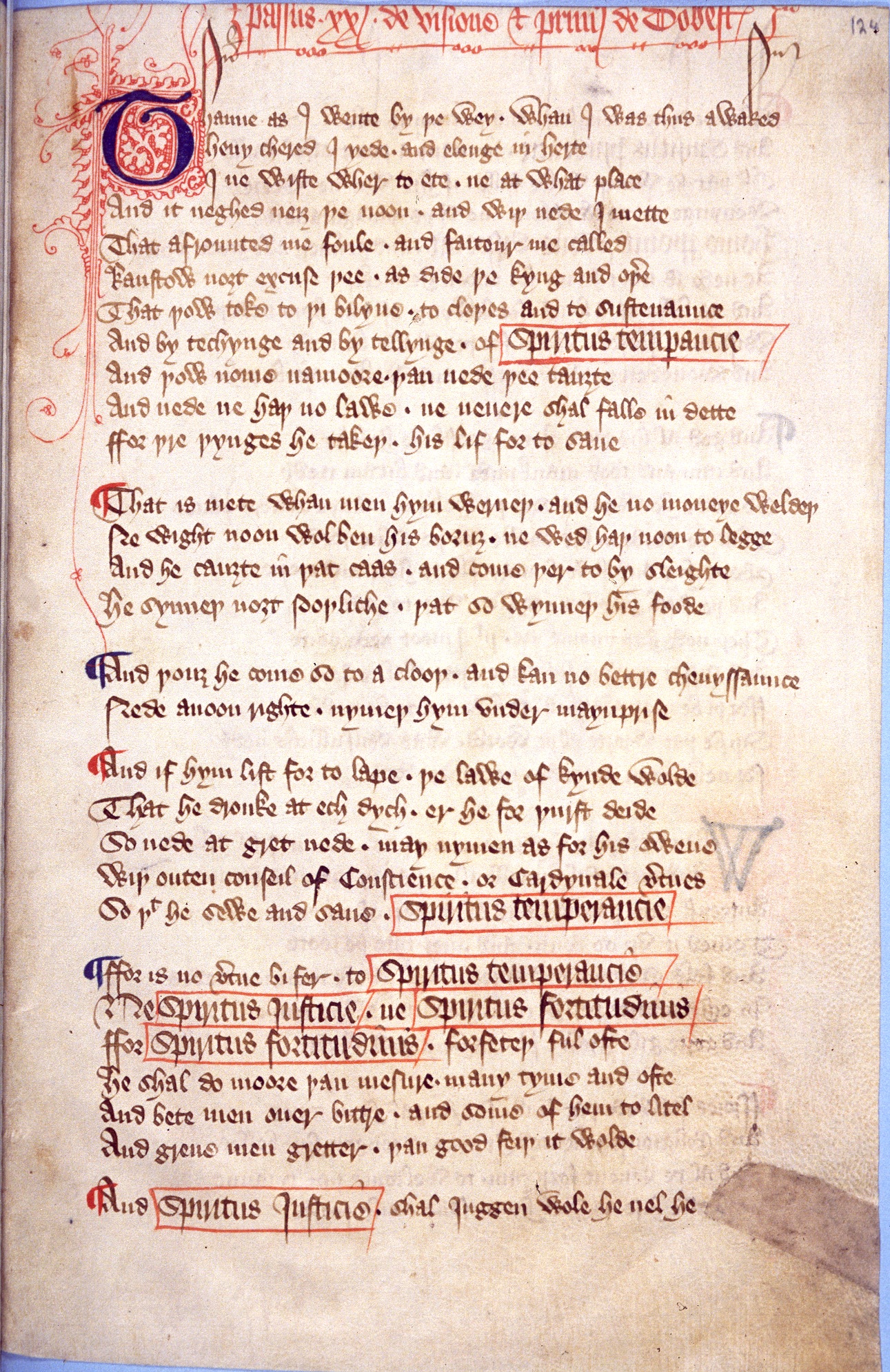
- c. 1378-9, [William Langland], “Paſſus .xx᷒. ⁊ prım᷒ de Dobeſt”, in [Piers Plowman, A Treatise on Sin] (W, B-text), London, published c. 1400, →OCLC, folio 124, recto; republished as Thorlac Turville-Petre, Hoyt N. Duggan, editors, Cambridge, Trinity College, MS B.15.17 (The Piers Plowman Electronic Archive; 2), SEENET, 2014, →ISBN:
- Heuy chered I yede. and elenge in herte / I ne wıſte wher to ete. ne at what place
- I travelled grave-faced and with a gloomy heart; / I didn't know where or at what point to eat.
Conjugation
| infinitive | (to) gon, go | |||||||||||||||||||||||||||||||||||||||||||||||||||||||||||||||||||||||||||||||||||||||||||||||||||||||||||||||||||||||||||||||||||||||||||||||||||||||||||||||||||||||||||||||||||||||||||||||||||||||||||||||||||||||||||||||||||||||||||||||||||||||||||||||||||||||||||||||||||||||||||||||||||||||||||||||||||||||||||||||||||||||||||||||||||||||||||||||||||||||||||||||||||||||||||||||||||||||||||||||||||||||||||||||||||||||||||||||||||||||||||||||||||||||||||||||||||||||||||||||||||||||||||||||||||||||||||||||||||||||||||||||||||||||||||||||||||||||||||||||||||||||||||||||||||||||||||||||||||||||||||||||||||||||||||||||||||||||||||||||||||||||||||||||||||||||||||||||||||||||||||||||||||||||||||||||||||||||||||||||||||||||||||||||||||||||||||||||||||||||||||||||||||||||||||||||||||||||||||||||||||||||||||||||||||||||||||||||||||||||||||||||||||||||||||||||||||||||||||||||||||||||||||||||||||||||||||||||||||||||||||||||||||||||||||||||||||||||||||||||||||||||||||||||||||||||||||||||||||||
|---|---|---|---|---|---|---|---|---|---|---|---|---|---|---|---|---|---|---|---|---|---|---|---|---|---|---|---|---|---|---|---|---|---|---|---|---|---|---|---|---|---|---|---|---|---|---|---|---|---|---|---|---|---|---|---|---|---|---|---|---|---|---|---|---|---|---|---|---|---|---|---|---|---|---|---|---|---|---|---|---|---|---|---|---|---|---|---|---|---|---|---|---|---|---|---|---|---|---|---|---|---|---|---|---|---|---|---|---|---|---|---|---|---|---|---|---|---|---|---|---|---|---|---|---|---|---|---|---|---|---|---|---|---|---|---|---|---|---|---|---|---|---|---|---|---|---|---|---|---|---|---|---|---|---|---|---|---|---|---|---|---|---|---|---|---|---|---|---|---|---|---|---|---|---|---|---|---|---|---|---|---|---|---|---|---|---|---|---|---|---|---|---|---|---|---|---|---|---|---|---|---|---|---|---|---|---|---|---|---|---|---|---|---|---|---|---|---|---|---|---|---|---|---|---|---|---|---|---|---|---|---|---|---|---|---|---|---|---|---|---|---|---|---|---|---|---|---|---|---|---|---|---|---|---|---|---|---|---|---|---|---|---|---|---|---|---|---|---|---|---|---|---|---|---|---|---|---|---|---|---|---|---|---|---|---|---|---|---|---|---|---|---|---|---|---|---|---|---|---|---|---|---|---|---|---|---|---|---|---|---|---|---|---|---|---|---|---|---|---|---|---|---|---|---|---|---|---|---|---|---|---|---|---|---|---|---|---|---|---|---|---|---|---|---|---|---|---|---|---|---|---|---|---|---|---|---|---|---|---|---|---|---|---|---|---|---|---|---|---|---|---|---|---|---|---|---|---|---|---|---|---|---|---|---|---|---|---|---|---|---|---|---|---|---|---|---|---|---|---|---|---|---|---|---|---|---|---|---|---|---|---|---|---|---|---|---|---|---|---|---|---|---|---|---|---|---|---|---|---|---|---|---|---|---|---|---|---|---|---|---|---|---|---|---|---|---|---|---|---|---|---|---|---|---|---|---|---|---|---|---|---|---|---|---|---|---|---|---|---|---|---|---|---|---|---|---|---|---|---|---|---|---|---|---|---|---|---|---|---|---|---|---|---|---|---|---|---|---|---|---|---|---|---|---|---|---|---|---|---|---|---|---|---|---|---|---|---|---|---|---|---|---|---|---|---|---|---|---|---|---|---|---|---|---|---|---|---|---|---|---|---|---|---|---|---|---|---|---|---|---|---|---|---|---|---|---|---|---|---|---|---|---|---|---|---|---|---|---|---|---|---|---|---|---|---|---|---|---|---|---|---|---|---|---|---|---|---|---|---|---|---|---|---|---|---|---|---|---|---|---|---|---|---|---|---|---|---|---|---|---|---|---|---|---|---|---|---|---|---|---|---|---|---|---|---|---|---|---|---|---|---|---|---|---|---|---|---|---|---|---|---|---|---|---|---|---|---|---|---|---|---|---|---|---|---|---|---|---|---|---|---|---|---|---|---|---|---|---|---|---|---|---|---|---|---|---|---|---|---|---|---|---|---|---|---|---|---|---|---|---|---|---|---|---|---|---|---|---|---|---|---|---|---|---|---|---|---|---|---|---|---|---|---|---|---|---|---|---|---|---|---|---|---|---|---|---|---|---|---|---|---|---|---|---|---|---|---|---|---|---|---|---|---|---|---|---|---|---|---|---|---|---|---|---|---|---|---|---|---|---|---|---|---|---|---|---|---|---|---|---|---|---|---|---|---|---|---|---|---|---|---|---|---|---|---|---|---|---|---|---|---|---|---|---|---|---|---|---|---|---|---|---|---|---|---|---|---|---|---|---|---|---|---|---|---|---|---|---|---|---|---|---|---|---|---|---|---|---|---|---|---|---|---|---|---|---|---|---|---|---|---|---|---|---|---|---|---|---|---|---|---|---|---|---|---|---|---|---|---|---|---|---|---|---|---|---|---|---|---|---|---|---|---|---|---|---|---|---|---|---|---|---|---|---|---|---|---|---|---|---|---|---|---|---|---|---|---|---|---|---|---|---|---|---|---|---|---|---|---|---|---|---|---|---|---|---|---|---|---|---|---|---|---|---|---|---|---|---|---|---|---|---|---|---|---|---|---|---|---|---|---|---|---|---|---|---|---|---|---|---|---|---|---|---|---|---|---|---|---|---|---|---|---|---|---|---|---|---|---|---|---|---|---|---|---|---|---|---|---|---|---|---|---|---|---|---|---|---|---|---|---|---|---|---|---|---|---|---|
| present tense | past tense | |||||||||||||||||||||||||||||||||||||||||||||||||||||||||||||||||||||||||||||||||||||||||||||||||||||||||||||||||||||||||||||||||||||||||||||||||||||||||||||||||||||||||||||||||||||||||||||||||||||||||||||||||||||||||||||||||||||||||||||||||||||||||||||||||||||||||||||||||||||||||||||||||||||||||||||||||||||||||||||||||||||||||||||||||||||||||||||||||||||||||||||||||||||||||||||||||||||||||||||||||||||||||||||||||||||||||||||||||||||||||||||||||||||||||||||||||||||||||||||||||||||||||||||||||||||||||||||||||||||||||||||||||||||||||||||||||||||||||||||||||||||||||||||||||||||||||||||||||||||||||||||||||||||||||||||||||||||||||||||||||||||||||||||||||||||||||||||||||||||||||||||||||||||||||||||||||||||||||||||||||||||||||||||||||||||||||||||||||||||||||||||||||||||||||||||||||||||||||||||||||||||||||||||||||||||||||||||||||||||||||||||||||||||||||||||||||||||||||||||||||||||||||||||||||||||||||||||||||||||||||||||||||||||||||||||||||||||||||||||||||||||||||||||||||||||||||||||||||||||
| 1st-person singular | go | yede, wente | ||||||||||||||||||||||||||||||||||||||||||||||||||||||||||||||||||||||||||||||||||||||||||||||||||||||||||||||||||||||||||||||||||||||||||||||||||||||||||||||||||||||||||||||||||||||||||||||||||||||||||||||||||||||||||||||||||||||||||||||||||||||||||||||||||||||||||||||||||||||||||||||||||||||||||||||||||||||||||||||||||||||||||||||||||||||||||||||||||||||||||||||||||||||||||||||||||||||||||||||||||||||||||||||||||||||||||||||||||||||||||||||||||||||||||||||||||||||||||||||||||||||||||||||||||||||||||||||||||||||||||||||||||||||||||||||||||||||||||||||||||||||||||||||||||||||||||||||||||||||||||||||||||||||||||||||||||||||||||||||||||||||||||||||||||||||||||||||||||||||||||||||||||||||||||||||||||||||||||||||||||||||||||||||||||||||||||||||||||||||||||||||||||||||||||||||||||||||||||||||||||||||||||||||||||||||||||||||||||||||||||||||||||||||||||||||||||||||||||||||||||||||||||||||||||||||||||||||||||||||||||||||||||||||||||||||||||||||||||||||||||||||||||||||||||||||||||||||||||||
| 2nd-person singular | gost, gest | yedest, wentest | ||||||||||||||||||||||||||||||||||||||||||||||||||||||||||||||||||||||||||||||||||||||||||||||||||||||||||||||||||||||||||||||||||||||||||||||||||||||||||||||||||||||||||||||||||||||||||||||||||||||||||||||||||||||||||||||||||||||||||||||||||||||||||||||||||||||||||||||||||||||||||||||||||||||||||||||||||||||||||||||||||||||||||||||||||||||||||||||||||||||||||||||||||||||||||||||||||||||||||||||||||||||||||||||||||||||||||||||||||||||||||||||||||||||||||||||||||||||||||||||||||||||||||||||||||||||||||||||||||||||||||||||||||||||||||||||||||||||||||||||||||||||||||||||||||||||||||||||||||||||||||||||||||||||||||||||||||||||||||||||||||||||||||||||||||||||||||||||||||||||||||||||||||||||||||||||||||||||||||||||||||||||||||||||||||||||||||||||||||||||||||||||||||||||||||||||||||||||||||||||||||||||||||||||||||||||||||||||||||||||||||||||||||||||||||||||||||||||||||||||||||||||||||||||||||||||||||||||||||||||||||||||||||||||||||||||||||||||||||||||||||||||||||||||||||||||||||||||||||||
| 3rd-person singular | goth, geth | yede, wente | ||||||||||||||||||||||||||||||||||||||||||||||||||||||||||||||||||||||||||||||||||||||||||||||||||||||||||||||||||||||||||||||||||||||||||||||||||||||||||||||||||||||||||||||||||||||||||||||||||||||||||||||||||||||||||||||||||||||||||||||||||||||||||||||||||||||||||||||||||||||||||||||||||||||||||||||||||||||||||||||||||||||||||||||||||||||||||||||||||||||||||||||||||||||||||||||||||||||||||||||||||||||||||||||||||||||||||||||||||||||||||||||||||||||||||||||||||||||||||||||||||||||||||||||||||||||||||||||||||||||||||||||||||||||||||||||||||||||||||||||||||||||||||||||||||||||||||||||||||||||||||||||||||||||||||||||||||||||||||||||||||||||||||||||||||||||||||||||||||||||||||||||||||||||||||||||||||||||||||||||||||||||||||||||||||||||||||||||||||||||||||||||||||||||||||||||||||||||||||||||||||||||||||||||||||||||||||||||||||||||||||||||||||||||||||||||||||||||||||||||||||||||||||||||||||||||||||||||||||||||||||||||||||||||||||||||||||||||||||||||||||||||||||||||||||||||||||||||||||||
| subjunctive singular | go | |||||||||||||||||||||||||||||||||||||||||||||||||||||||||||||||||||||||||||||||||||||||||||||||||||||||||||||||||||||||||||||||||||||||||||||||||||||||||||||||||||||||||||||||||||||||||||||||||||||||||||||||||||||||||||||||||||||||||||||||||||||||||||||||||||||||||||||||||||||||||||||||||||||||||||||||||||||||||||||||||||||||||||||||||||||||||||||||||||||||||||||||||||||||||||||||||||||||||||||||||||||||||||||||||||||||||||||||||||||||||||||||||||||||||||||||||||||||||||||||||||||||||||||||||||||||||||||||||||||||||||||||||||||||||||||||||||||||||||||||||||||||||||||||||||||||||||||||||||||||||||||||||||||||||||||||||||||||||||||||||||||||||||||||||||||||||||||||||||||||||||||||||||||||||||||||||||||||||||||||||||||||||||||||||||||||||||||||||||||||||||||||||||||||||||||||||||||||||||||||||||||||||||||||||||||||||||||||||||||||||||||||||||||||||||||||||||||||||||||||||||||||||||||||||||||||||||||||||||||||||||||||||||||||||||||||||||||||||||||||||||||||||||||||||||||||||||||||||||||
| imperative singular | — | |||||||||||||||||||||||||||||||||||||||||||||||||||||||||||||||||||||||||||||||||||||||||||||||||||||||||||||||||||||||||||||||||||||||||||||||||||||||||||||||||||||||||||||||||||||||||||||||||||||||||||||||||||||||||||||||||||||||||||||||||||||||||||||||||||||||||||||||||||||||||||||||||||||||||||||||||||||||||||||||||||||||||||||||||||||||||||||||||||||||||||||||||||||||||||||||||||||||||||||||||||||||||||||||||||||||||||||||||||||||||||||||||||||||||||||||||||||||||||||||||||||||||||||||||||||||||||||||||||||||||||||||||||||||||||||||||||||||||||||||||||||||||||||||||||||||||||||||||||||||||||||||||||||||||||||||||||||||||||||||||||||||||||||||||||||||||||||||||||||||||||||||||||||||||||||||||||||||||||||||||||||||||||||||||||||||||||||||||||||||||||||||||||||||||||||||||||||||||||||||||||||||||||||||||||||||||||||||||||||||||||||||||||||||||||||||||||||||||||||||||||||||||||||||||||||||||||||||||||||||||||||||||||||||||||||||||||||||||||||||||||||||||||||||||||||||||||||||||||||
| plural1 | gon, go | yeden, yede, wenten, wente | ||||||||||||||||||||||||||||||||||||||||||||||||||||||||||||||||||||||||||||||||||||||||||||||||||||||||||||||||||||||||||||||||||||||||||||||||||||||||||||||||||||||||||||||||||||||||||||||||||||||||||||||||||||||||||||||||||||||||||||||||||||||||||||||||||||||||||||||||||||||||||||||||||||||||||||||||||||||||||||||||||||||||||||||||||||||||||||||||||||||||||||||||||||||||||||||||||||||||||||||||||||||||||||||||||||||||||||||||||||||||||||||||||||||||||||||||||||||||||||||||||||||||||||||||||||||||||||||||||||||||||||||||||||||||||||||||||||||||||||||||||||||||||||||||||||||||||||||||||||||||||||||||||||||||||||||||||||||||||||||||||||||||||||||||||||||||||||||||||||||||||||||||||||||||||||||||||||||||||||||||||||||||||||||||||||||||||||||||||||||||||||||||||||||||||||||||||||||||||||||||||||||||||||||||||||||||||||||||||||||||||||||||||||||||||||||||||||||||||||||||||||||||||||||||||||||||||||||||||||||||||||||||||||||||||||||||||||||||||||||||||||||||||||||||||||||||||||||||||||
| imperative plural | goth, go | — | ||||||||||||||||||||||||||||||||||||||||||||||||||||||||||||||||||||||||||||||||||||||||||||||||||||||||||||||||||||||||||||||||||||||||||||||||||||||||||||||||||||||||||||||||||||||||||||||||||||||||||||||||||||||||||||||||||||||||||||||||||||||||||||||||||||||||||||||||||||||||||||||||||||||||||||||||||||||||||||||||||||||||||||||||||||||||||||||||||||||||||||||||||||||||||||||||||||||||||||||||||||||||||||||||||||||||||||||||||||||||||||||||||||||||||||||||||||||||||||||||||||||||||||||||||||||||||||||||||||||||||||||||||||||||||||||||||||||||||||||||||||||||||||||||||||||||||||||||||||||||||||||||||||||||||||||||||||||||||||||||||||||||||||||||||||||||||||||||||||||||||||||||||||||||||||||||||||||||||||||||||||||||||||||||||||||||||||||||||||||||||||||||||||||||||||||||||||||||||||||||||||||||||||||||||||||||||||||||||||||||||||||||||||||||||||||||||||||||||||||||||||||||||||||||||||||||||||||||||||||||||||||||||||||||||||||||||||||||||||||||||||||||||||||||||||||||||||||||||||
| participles | goynge, gonde | gon, go, ygon, ygo | ||||||||||||||||||||||||||||||||||||||||||||||||||||||||||||||||||||||||||||||||||||||||||||||||||||||||||||||||||||||||||||||||||||||||||||||||||||||||||||||||||||||||||||||||||||||||||||||||||||||||||||||||||||||||||||||||||||||||||||||||||||||||||||||||||||||||||||||||||||||||||||||||||||||||||||||||||||||||||||||||||||||||||||||||||||||||||||||||||||||||||||||||||||||||||||||||||||||||||||||||||||||||||||||||||||||||||||||||||||||||||||||||||||||||||||||||||||||||||||||||||||||||||||||||||||||||||||||||||||||||||||||||||||||||||||||||||||||||||||||||||||||||||||||||||||||||||||||||||||||||||||||||||||||||||||||||||||||||||||||||||||||||||||||||||||||||||||||||||||||||||||||||||||||||||||||||||||||||||||||||||||||||||||||||||||||||||||||||||||||||||||||||||||||||||||||||||||||||||||||||||||||||||||||||||||||||||||||||||||||||||||||||||||||||||||||||||||||||||||||||||||||||||||||||||||||||||||||||||||||||||||||||||||||||||||||||||||||||||||||||||||||||||||||||||||||||||||||||||||
1 Sometimes used as a formal 2nd-person singular.
Descendants
References
- “gōn, v.”, in MED Online, Ann Arbor, Mich.: University of Michigan, 2007.
- Smith, Jeremy J. (1994), “The Great Vowel Shift in the North of England, and Some Forms in Chaucer's Reeve's Tale”, in Neuphilologische Mitteilungen[3], volume 95, number 4, Helsinki: Modern Language Society, →ISSN, →OCLC, page 434.
Etymology 2
From Old English gān, ġegān, past participle of gān (“to go”), from Proto-Germanic *gānaz, past participle of *gāną (“to go”); equivalent to gon + -en.
Alternative forms
Pronunciation
- IPA(key): /ɡɔːn/
- (Early Middle English, Northern) IPA(key): /ɡɑːn/
- Rhymes: -ɔːn
Verb
gon
- past participle of gon (“to go”)
Descendants
Etymology 3
From Lady Gunilda; a name for a crossbow. More at English gun.
Noun
gon
- alternative form of gunne
Polish
Etymology
Inherited from Proto-Slavic *gònъ. Compare Czech hon, Russian гон (gon), and Silesian gōn.
Pronunciation
- IPA(key): /ˈɡɔn/
Audio: (file) - Rhymes: -ɔn
- Syllabification: gon
Noun
gon m inan
- (hunting) chase, pursuit
- (hunting) barking of hounds during a hunt
- mating season of fallow deer and chamois
- Hypernym: okres godowy
- (obsolete) hunt, hunting
Declension
| singular | plural | |
|---|---|---|
| nominative | gon | gony |
| genitive | gonu | gonów |
| dative | gonowi | gonom |
| accusative | gon | gony |
| instrumental | gonem | gonami |
| locative | gonie | gonach |
| vocative | gonie | gony |
Related terms
Further reading
Potawatomi
Etymology
Inherited from Proto-Algonquian *ko·na. Cognate to Plains Cree kôna, Moose Cree kôn, Atikamekw kon, Montagnais kun, Ojibwe, Eastern Ojibwa, and Ottawa goon, and Fox akôna.
Pronunciation
- IPA(key): /kon/
Noun
gon anim (uncountable, locative gonêk, obviative gonen)
Inflection
| — | gon |
|---|---|
| locative | gonêk |
| diminutive | gonés |
| obviative | gonen |
Derived terms
References
- “gon”, in Online Potawatomi Dictionary[5], Citizen Potawatomi Nation, 2026
- Lockwood, Hunter Thompson (2017), How the Potawatomi Language Lives: A Grammar of Potawatomi (PhD dissertation)[6], Madison: University of Wisconsin-Madison, page 96
Scottish Gaelic
Etymology
From Proto-Celtic *gonô, from Proto-Indo-European *gʷʰen- (“to strike, kill”).
Verb
gon (past ghon, future gonaidh, verbal noun gonadh, past participle gonte)
Sranan Tongo
Etymology
Pronunciation
- IPA(key): /ɡon/
Noun
gon
Teojomulco Chatino
Etymology
Cognate with Tataltepec Chatino ncu̱ (“tortoise”), Western Highland Chatino nkuun⁴ (“tortoise”).
Pronunciation
- IPA(key): /nkõ/, [ŋɡõ]
Noun
gon
References
- Sullivant, J. Ryan (October 2016), “Appendix: Reintroducing Teojomulco Chatino”, in International Journal of American Linguistics[7], page [5]
- Translingual terms derived from English
- Translingual clippings
- Translingual terms derived from Gondi
- Translingual lemmas
- Translingual symbols
- ISO 639-2
- ISO 639-3
- English clippings
- English 1-syllable words
- English terms with IPA pronunciation
- English terms with audio pronunciation
- English non-lemma forms
- English contractions
- African-American Vernacular English
- English informal terms
- English terms with usage examples
- English terms derived from Ancient Greek
- English lemmas
- English nouns
- English countable nouns
- en:Geometry
- en:Trigonometry
- en:Rail transportation
- English abbreviations
- Breton non-lemma forms
- Breton mutated nouns
- Breton soft-mutation forms
- Finnish non-lemma forms
- Finnish noun forms
- Haitian Creole non-lemma forms
- Haitian Creole contractions
- Jamaican Creole terms derived from Middle English
- Jamaican Creole terms inherited from English
- Jamaican Creole terms derived from English
- Jamaican Creole terms derived from the Proto-Indo-European root *kelh₂-
- Jamaican Creole terms inherited from Middle English
- Jamaican Creole terms derived from Proto-Indo-European
- Jamaican Creole terms derived from the Proto-Indo-European root *gʷʰen-
- Jamaican Creole terms derived from Old Norse
- Jamaican Creole terms derived from Proto-Germanic
- Jamaican Creole lemmas
- Jamaican Creole nouns
- jam:Firearms
- Japanese non-lemma forms
- Japanese romanizations
- Middle English terms derived from Proto-West Germanic
- Middle English terms inherited from Proto-West Germanic
- Middle English terms inherited from Proto-Germanic
- Middle English terms derived from Old English
- Middle English terms derived from Proto-Indo-European
- Middle English terms derived from Proto-Germanic
- Middle English terms derived from the Proto-Indo-European root *ǵʰeh₁-
- Middle English terms inherited from Old English
- Middle English terms with IPA pronunciation
- Rhymes:Middle English/ɔːn
- Rhymes:Middle English/ɔːn/1 syllable
- Middle English lemmas
- Middle English verbs
- Middle English terms with quotations
- Middle English suppletive verbs
- Middle English terms suffixed with -en (participial)
- Middle English non-lemma forms
- Middle English verb forms
- Middle English past participles
- Middle English variant lemmas
- Polish terms inherited from Proto-Indo-European
- Polish terms derived from Proto-Indo-European
- Polish terms derived from Proto-Slavic
- Polish terms derived from the Proto-Indo-European root *gʷʰen-
- Polish terms inherited from Proto-Slavic
- Polish 1-syllable words
- Polish terms with IPA pronunciation
- Polish terms with audio pronunciation
- Rhymes:Polish/ɔn
- Rhymes:Polish/ɔn/1 syllable
- Polish lemmas
- Polish nouns
- Polish masculine nouns
- Polish inanimate nouns
- pl:Hunting
- Polish terms with obsolete senses
- Polish hard masculine inanimate nouns
- pl:Animal sounds
- Potawatomi terms inherited from Proto-Algonquian
- Potawatomi terms derived from Proto-Algonquian
- Potawatomi terms with IPA pronunciation
- Potawatomi lemmas
- Potawatomi nouns
- Potawatomi alienable nouns
- Potawatomi uncountable nouns
- Potawatomi animate nouns
- pot:Snow
- Scottish Gaelic terms inherited from Proto-Celtic
- Scottish Gaelic terms derived from Proto-Celtic
- Scottish Gaelic terms inherited from Proto-Indo-European
- Scottish Gaelic terms derived from Proto-Indo-European
- Scottish Gaelic lemmas
- Scottish Gaelic verbs
- Sranan Tongo terms derived from English
- Sranan Tongo terms with IPA pronunciation
- Sranan Tongo lemmas
- Sranan Tongo nouns
- srn:Firearms
- Teojomulco Chatino terms with IPA pronunciation
- Teojomulco Chatino lemmas
- Teojomulco Chatino nouns
- omq-teo:Mammals