vilão
Old Galician-Portuguese
Etymology
Etymology tree
Inherited from Late Latin vīllānus (“farm worker”), from Latin vīlla + -ānus (adjectival suffix).
Pronunciation
- IPA(key): /βiˈlã.u/
Noun
vilão m (plural vilãos)
- villein, peasant
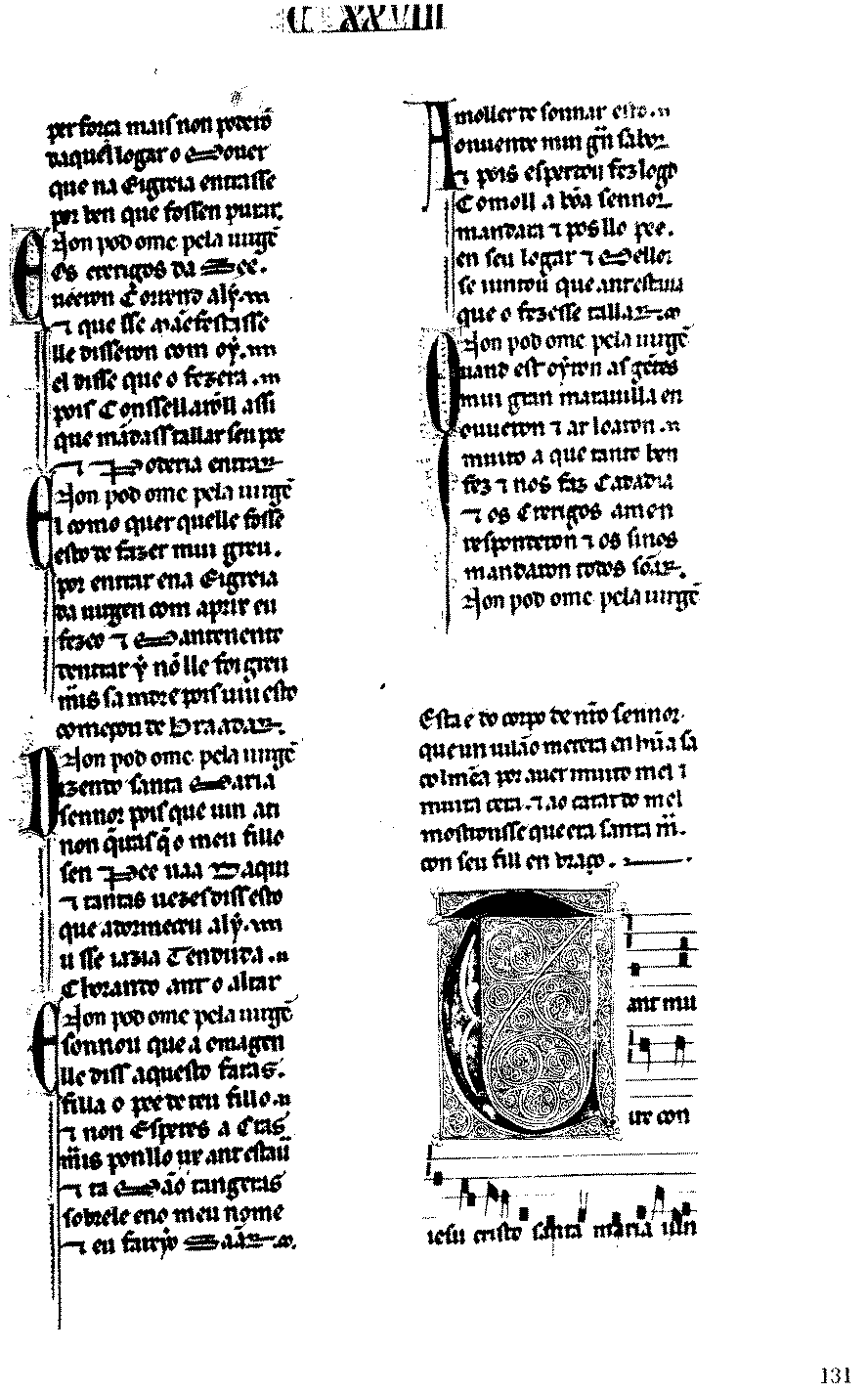
- a. 1284, Alfonso X of Castile, Cantigas de Santa Maria, Códice de los músicos, cantiga 128 (facsimile):
- Eſta e do corpo de n[oſtr]o ſennor / que un vilão metera en hũa / ſa colmẽa por aver muito mel / i muita cera […]
- This one is (about) the body of our Lord, which a peasant placed in one of his beehives because there was a lot of honey and a lot of wax […]
Descendants
Portuguese

Alternative forms
Etymology
Etymology tree
Inherited from Old Galician-Portuguese vilão, from Late Latin vīllānus (“farm worker”), from vīlla + -ānus. Cognate with Galician vilán and Spanish villano. By surface analysis, vila + -ão.
Pronunciation
- (Brazil) IPA(key): /viˈlɐ̃w̃/ [viˈlɐ̃ʊ̯̃]
- (Portugal) IPA(key): /viˈlɐ̃w̃/
- (Northern Portugal) IPA(key): /biˈlɐ̃w̃/
- Rhymes: -ɐ̃w̃
- Hyphenation: vi‧lão
Noun
vilão m (plural vilões or (rare) vilães or (rare) vilãos, feminine vilã or (rare) viloa, feminine plural vilãs or (rare) viloas)
- townsperson (inhabitant of a town)
- villain (a vile, wicked person)
- something which causes a problem
- (historical) villein (a feudal tenant)
- (obsolete) a non-noble who lives in a city or village
- (Azores) a masked dancer of the mouriscas, who satirizes the common man.
Derived terms
- cavaleiro-vilão
Adjective
vilão (feminine vilã or (rare) viloa, masculine plural vilões or (rare) vilães or (rare) vilãos, feminine plural vilãs or (rare) viloas)
- related to a town
- rural
- villainous (of, relating to, or appropriate to a villain)
- Synonyms: vilanaço, vilanaz, vilanesco
- (uncommon) coarse (lacking refinement)
- Synonyms: see Thesaurus:grosseiro
- Antonyms: see Thesaurus:grosseiro
- vile; wicked
Related terms
Descendants
- Macanese: vilám
References
- “vilão”, in Dicionário Aulete Digital (in Portuguese), Rio de Janeiro: Lexikon Editora Digital, 2008–2026
- “vilão” in Dicionário Aberto based on Novo Diccionário da Língua Portuguesa de Cândido de Figueiredo, 1913
- “vilão”, in Michaelis Dicionário Brasileiro da Língua Portuguesa (in Portuguese), São Paulo: Editora Melhoramentos, 2015–2026, →ISBN
- “vilão”, in Dicionário Priberam da Língua Portuguesa (in Portuguese), Lisbon: Priberam, 2008–2026
- “vilão”, in Dicionário Infopédia da Língua Portuguesa (in Portuguese), Porto: Porto Editora, 2003–2026
Categories:
- Old Galician-Portuguese terms derived from Late Latin
- Old Galician-Portuguese terms derived from the Proto-Indo-European root *weyḱ-
- Old Galician-Portuguese terms derived from Latin
- Old Galician-Portuguese terms derived from Proto-Italic
- Old Galician-Portuguese terms inherited from Late Latin
- Old Galician-Portuguese terms derived from Proto-Indo-European
- Old Galician-Portuguese terms with IPA pronunciation
- Old Galician-Portuguese lemmas
- Old Galician-Portuguese nouns
- Old Galician-Portuguese masculine nouns
- Old Galician-Portuguese terms with quotations
- Portuguese terms with usage examples
- Portuguese terms derived from the Proto-Indo-European root *weyḱ-
- Portuguese terms suffixed with -ão (location)
- Portuguese terms derived from Latin
- Portuguese terms inherited from Old Galician-Portuguese
- Portuguese terms derived from Proto-Italic
- Portuguese terms derived from Late Latin
- Portuguese terms inherited from Late Latin
- Portuguese terms derived from Proto-Indo-European
- Portuguese terms derived from Old Galician-Portuguese
- Portuguese 2-syllable words
- Portuguese terms with IPA pronunciation
- Rhymes:Portuguese/ɐ̃w̃
- Rhymes:Portuguese/ɐ̃w̃/2 syllables
- Portuguese lemmas
- Portuguese nouns
- Portuguese countable nouns
- Portuguese nouns with multiple plurals
- Portuguese masculine nouns
- Portuguese terms with historical senses
- Portuguese terms with obsolete senses
- Azorean Portuguese
- Portuguese adjectives
- Portuguese terms with uncommon senses
- Portuguese terms suffixed with -ão